
Tag: brand monitoring tools

  • Reputation Monitoring Tools for Real-Time Brand Control

    Reputation Monitoring Tools for Real-Time Brand Control

    Brand perception rarely changes in dramatic announcements; it shifts quietly through comments, reviews, mentions, and conversations happening across multiple digital touchpoints. A marketing head noticing a sudden drop in trust, a founder tracking investor sentiment, or a customer success team responding to unexpected feedback often realize that visibility is the real challenge. Reputation Monitoring Tools exist to give that visibility structure, accuracy, and speed. They allow businesses to observe how their brand is discussed, interpreted, and evaluated in real time, rather than reacting after damage has already been done.

    This blog is designed to give a complete, information-focused breakdown of Reputation Monitoring Tools, how they function, and what factors matter before selecting one. Instead of positioning reputation management as a reactive measure, the sections below explain how monitoring supports proactive brand control, data-backed decisions, and long-term credibility. You will also understand how modern AI-driven monitoring aligns with business intelligence, and how platforms like Aiplexorm help brands centralize insights, automate analysis, and convert reputation data into strategic action.

    Key Factors to Understand Before Using Reputation Monitoring Tools

    Before evaluating tools or platforms, it is important to understand the core elements that influence how reputation monitoring works in practice. These factors determine accuracy, usefulness, and long-term value.

    Coverage Across Digital Channels and Media Sources

    Effective Reputation Monitoring Tools must extend beyond surface-level social media tracking. Brands are discussed across review platforms, forums, blogs, news publications, video comments, and emerging community spaces. A tool with limited channel coverage creates blind spots that distort overall sentiment analysis. Businesses evaluating coverage should consider whether the platform monitors global and regional sources, multilingual content, and both structured and unstructured data streams.

    Channel diversity also affects strategic planning. For example, customer sentiment on review platforms may differ from discussions on professional networks or niche forums. Reputation monitoring that captures this contrast allows brands to respond with targeted messaging instead of generic reputation repair. Broad coverage ensures that decision-makers see patterns early rather than discovering issues after public escalation.

    Real-Time Data Collection and Alerting Capabilities

    Timing plays a decisive role in brand control. Real-time monitoring allows organizations to respond while conversations are still forming, not after narratives have settled. Tools that refresh data periodically instead of continuously may miss rapid sentiment shifts caused by viral posts, breaking news, or influencer activity. Real-time alerting ensures stakeholders are informed the moment brand-related activity crosses predefined thresholds.

    Alert configuration is equally important. High-quality Reputation Monitoring Tools allow alerts based on sentiment polarity, volume spikes, keyword combinations, or source credibility. This precision prevents alert fatigue while ensuring that critical issues reach the right teams immediately. Real-time responsiveness transforms monitoring from passive observation into an active brand defense system.

    Sentiment Analysis Accuracy and Context Awareness

    Not all sentiment analysis delivers meaningful insight. Basic keyword-based systems often misinterpret sarcasm, cultural references, or industry-specific language. Advanced Reputation Monitoring Tools use natural language processing and contextual modeling to interpret tone, intent, and emotional nuance more accurately. This reduces false positives and improves decision reliability.

    Context awareness also enables segmentation by audience type, platform behavior, or geographic relevance. A neutral mention in one market may carry negative implications in another. Accurate sentiment modeling ensures leadership teams rely on insight rather than assumptions. Without contextual accuracy, monitoring data becomes noise rather than intelligence.

    Data Visualization and Reporting Structure

    Raw data alone does not drive action. Visualization transforms monitoring output into decision-ready insight. Dashboards, trend lines, comparative charts, and historical sentiment mapping help teams understand direction rather than isolated data points. Strong visualization allows non-technical stakeholders to interpret reputation performance quickly.

    Reporting flexibility matters for cross-functional alignment. Marketing, PR, compliance, and executive teams often require different reporting formats. Reputation Monitoring Tools should support customized reports, exportable insights, and automated summaries. This ensures monitoring outcomes integrate seamlessly into broader business reviews and planning cycles.

    Integration With Business Intelligence and CRM Systems

    Reputation data becomes exponentially more valuable when connected to internal systems. Integration with CRM platforms, customer support tools, and business intelligence software allows organizations to correlate sentiment with customer behavior, churn, conversion rates, and revenue trends. Monitoring tools that operate in isolation limit strategic impact.

    Integrated ecosystems support closed-loop feedback. Negative sentiment can trigger support workflows, while positive mentions inform marketing amplification strategies. When reputation monitoring aligns with internal data streams, brand perception evolves from a marketing metric into a core business performance indicator.

    Types of Reputation Monitoring Tools Businesses Commonly Use

    Different business goals require different monitoring approaches. Understanding tool categories helps organizations select platforms aligned with scale, complexity, and industry needs.

    Social Media Reputation Monitoring Tools

    Social media-focused tools track mentions, hashtags, comments, and engagement across platforms such as LinkedIn, X, Instagram, and Facebook. These tools are valuable for monitoring real-time conversations, influencer discussions, and campaign performance. They provide immediate visibility into audience response and emerging narratives.

    However, social-only tools may overlook long-form discussions, reviews, or media coverage. Businesses relying solely on social monitoring risk overestimating short-term sentiment while missing deeper credibility signals. Social monitoring is most effective when combined with broader reputation intelligence systems.

    Online Review and Feedback Monitoring Tools

    Review monitoring tools focus on platforms where customers leave direct feedback, including app stores, industry directories, and product review sites. These tools help brands track satisfaction trends, identify recurring complaints, and benchmark performance against competitors.

    Review sentiment often reflects post-purchase experience, making it highly valuable for product and service improvement. Effective tools categorize feedback themes and quantify impact over time. This transforms reviews from reactive responses into structured improvement roadmaps.

    Media and News Monitoring Tools

    Media monitoring tools scan digital publications, press releases, blogs, and news outlets for brand mentions. These tools are essential for public relations teams managing brand narrative, crisis exposure, and executive visibility. They help assess how brand positioning evolves across authoritative sources.

    News sentiment carries reputational weight beyond volume. One negative article in a high-credibility publication may outweigh hundreds of neutral mentions elsewhere. Media-focused Reputation Monitoring Tools prioritize source authority, reach, and narrative framing.

    Search Engine Reputation Monitoring Tools

    Search monitoring tools track how brand-related keywords appear in search results, featured snippets, and trending queries. These tools are critical for understanding first-impression reputation, especially for prospects researching a brand for the first time.

    Search-based monitoring reveals how SEO, content strategy, and public perception intersect. It also identifies negative results that may require content optimization or reputation repair strategies. Search visibility directly influences trust and conversion.

    AI-Powered Unified Reputation Monitoring Platforms

    Unified platforms combine social, review, media, and search monitoring into a single intelligence layer. AI-driven systems analyze patterns, predict risk, and recommend actions rather than simply reporting data. These platforms are designed for scalable brand governance.

    AI-powered Reputation Monitoring Tools reduce manual effort while improving insight depth. They support executive-level oversight, cross-market consistency, and proactive reputation strategy. For growing brands, unified platforms provide long-term control rather than fragmented visibility.

    How Reputation Monitoring Tools Support Real-Time Brand Control

    Monitoring alone does not guarantee control. The value lies in how insights are applied across operations, communication, and strategy.

    Early Detection of Reputation Risks

    Real-time monitoring enables early identification of negative sentiment trends before they escalate. Small clusters of criticism, if detected early, can be addressed through targeted engagement or clarification. This prevents isolated issues from becoming public crises.

    Early detection also supports internal accountability. Operational issues surfaced through monitoring can be resolved at the root rather than masked through messaging. This strengthens long-term brand trust and resilience.

    Data-Driven Communication Strategies

    Reputation Monitoring Tools inform communication decisions with evidence rather than instinct. Messaging tone, timing, and channel selection become data-backed choices. This reduces the risk of misaligned responses that intensify negative sentiment.

    Data-driven communication also enhances consistency. Brands operating across regions or teams maintain unified messaging aligned with real sentiment insights. Monitoring ensures communication reflects audience reality rather than internal assumptions.

    Competitive Reputation Benchmarking

    Monitoring tools provide visibility into how competitors are perceived across the same channels. Benchmarking sentiment, share of voice, and narrative positioning helps brands identify differentiation opportunities and gaps.

    Competitive insights support strategic planning. Understanding why competitors receive positive or negative attention informs product development, pricing strategies, and customer experience design. Reputation data becomes a strategic advantage rather than a defensive measure.

    Executive-Level Reputation Intelligence

    Leadership teams require concise, actionable insight rather than granular data. Advanced monitoring platforms translate complex reputation metrics into executive-ready intelligence. This supports informed decision-making at the highest level.

    Executive visibility ensures reputation is treated as a governance priority. When leadership understands sentiment trends, reputation strategy aligns with growth, investment, and risk management objectives.

    Why Choose Aiplexorm for Reputation Monitoring Tools

    Aiplexorm offers an AI-driven approach to reputation monitoring designed for real-time accuracy, scalability, and strategic clarity. Instead of fragmented tracking, the platform unifies sentiment data across digital channels into a single intelligence framework. This allows businesses to observe reputation dynamics holistically rather than reacting to isolated signals.

    The platform emphasizes contextual sentiment analysis, predictive insights, and seamless integration with business systems. By combining automation with interpretive intelligence, Aiplexorm helps organizations move from passive monitoring to active brand control. Its dashboards, alerts, and reporting structures are built to support marketing teams, executives, and compliance stakeholders simultaneously.

    Conclusion

    Reputation Monitoring Tools have evolved from basic listening utilities into strategic intelligence systems. They enable brands to see how perception forms, shifts, and influences behavior in real time. Businesses that invest in structured monitoring gain the ability to respond with precision, communicate with confidence, and build trust through transparency.

    As digital conversations continue to shape brand value, real-time monitoring is no longer optional. Platforms like Aiplexorm demonstrate how AI-powered reputation intelligence supports sustainable growth, informed leadership, and long-term credibility. Choosing the right monitoring solution ensures brand control is proactive, data-driven, and aligned with business outcomes.

  • Top Industries Needing Brand Reputation Management

    Top Industries Needing Brand Reputation Management

    In today’s ultra-connected world, brand perception can shift in a matter of seconds. One negative review, poorly handled PR incident, or social media backlash can create long-term damage. That’s why brand reputation management is more crucial than ever, especially for industries where public trust, credibility, and competitive positioning are paramount. If you’re in a high-visibility or highly regulated industry, overlooking your online image is no longer an option—it’s a business imperative.

    Brand reputation management is not just about damage control; it’s a strategic tool that helps companies proactively shape public opinion, manage digital narratives, and build a loyal customer base. This blog explores which industries are most in need of strong reputation management practices, what makes them vulnerable, and how services like Aiplex ORM provide essential protection and strategic support for long-term success.

    Why Certain Industries Depend Heavily on Reputation Management

    Some industries are more reputation-sensitive due to their public-facing nature, regulatory oversight, or dependence on customer trust. Knowing why these sectors require dedicated brand reputation management helps you understand its strategic importance.

    1. High Customer Interaction Makes Brand Sentiment Visible

    Industries like hospitality, retail, and healthcare interact with customers daily, which means user feedback—good or bad—is constantly being generated. This interaction leaves a significant digital footprint that shapes brand reputation. Negative reviews or experiences spread quickly, making real-time response essential.

    Also, platforms like Google Reviews, Trustpilot, and social media amplify every customer voice. Even one unresolved complaint can result in viral backlash. That’s why managing these interactions, monitoring online mentions, and addressing issues swiftly is a key strategy in brand reputation management.

    2. Regulatory Scrutiny Demands Transparency and Trust

    Finance, healthcare, and education are examples of highly regulated sectors. These industries must not only maintain service quality but also demonstrate regulatory compliance and transparency. A small misstep or ethical violation can lead to lawsuits, regulatory fines, and reputational disaster.

    For these industries, brand reputation management isn’t optional; it’s an integral part of risk management. Agencies like Aiplex ORM assist by monitoring compliance-related mentions, crafting appropriate responses, and helping maintain public trust in times of crisis.

    3. High-Stakes Products and Services Increase Risk

    In sectors like pharmaceuticals, legal services, and aviation, the stakes are high. A flawed product, legal error, or safety incident can cause irreparable damage. Public trust in these brands must be built carefully and preserved continuously.

    Here, brand reputation management involves proactive storytelling, thought leadership, and carefully curated digital presence. Regular audits, sentiment analysis, and crisis communication strategies form a holistic reputation shield for high-risk industries.

    4. Online-First Businesses Rely on Digital Perception

    E-commerce, SaaS, and digital content platforms operate almost entirely online, where the only “storefront” is a search engine result or a customer review. For these businesses, digital presence equals brand value.

    One bad review on a high-traffic product page can dramatically impact sales. In these cases, brand reputation management ensures accurate brand representation, suppresses false claims, and promotes positive feedback through review management and influencer collaboration.

    5. Competitive Markets Force Differentiation via Trust

    In crowded markets like fashion, consumer tech, or insurance, customers make decisions based not only on product features but also on perceived trustworthiness. A solid reputation becomes a differentiator.

    Strategic brand reputation management helps these companies craft unique digital identities, reinforce values, and encourage positive user-generated content. This not only enhances visibility but fosters emotional loyalty among customers.

    Top Industries That Need Brand Reputation Management

    1. Healthcare: Trust and Accuracy Are Everything

    The healthcare industry deals with people’s lives, making public trust paramount. Hospitals, clinics, and pharmaceutical companies must communicate transparently, handle patient feedback delicately, and maintain compliance with medical standards.

    Online reviews on platforms like Healthgrades or Practo significantly influence patient decisions. Negative sentiment, whether true or not, can deter potential patients. With Aiplex ORM, healthcare providers can monitor online reviews, manage doctor reputations, and build trust through positive storytelling.

    2. Finance: Security and Transparency Drive Perception

    Banks, fintech firms, and investment agencies are often targets of skepticism, especially in an era of financial fraud and data breaches. One breach can erode decades of brand equity.

    Brand reputation management here involves robust digital monitoring, crisis management plans, and educational content that establishes credibility. Financial firms that invest in these strategies enjoy stronger investor trust and customer retention.

    3. E-commerce: Every Review Impacts Sales

    Online retail businesses operate in a highly competitive space where user experience is king. One negative review on Amazon or Flipkart can cost thousands in sales. SEO-driven content and review management are crucial.

    Aiplex ORM helps by monitoring brand mentions, pushing positive content, and helping brands respond to complaints effectively. This not only protects sales but also enhances long-term customer loyalty.

    4. Hospitality: Guest Experience Defines Brand Image

    Hotels, restaurants, and travel services are reviewed extensively on platforms like TripAdvisor and Zomato. A single viral video of poor service can cripple bookings.

    To thrive, hospitality brands must deliver great experiences and amplify positive feedback. ORM services support this by optimizing guest review management, monitoring trends, and launching digital campaigns to shape perception.

    5. Education: Reputation Drives Enrollments

    Schools, colleges, and ed-tech companies rely heavily on public perception. A scandal, poor faculty review, or outdated curriculum can influence student decisions and partnerships.

    Through consistent messaging, alumni engagement, and managing student reviews, brand reputation management supports educational institutions in maintaining credibility and attracting quality enrollments.

    6. Legal Services: Professional Image Is Crucial

    Law firms and individual attorneys need to project authority, integrity, and success. Negative press or even a baseless accusation can dissuade potential clients.

    ORM in this sector focuses on maintaining a clean digital footprint, highlighting case wins, and suppressing harmful search results. Strategic blogging and client testimonials also build credibility.

    7. Real Estate: Trust Is the Foundation

    Buying or renting property involves huge financial and emotional investments. Customers often research agents, agencies, and property reviews online before deciding.

    ORM helps real estate professionals highlight success stories, maintain up-to-date listings, and manage online forums where discussions around scams or fraud can harm reputations.

    8. Influencer & Celebrity Management: Constant Public Scrutiny

    Public figures live under a digital microscope. One controversial comment or leaked video can damage careers instantly. Managing perception is not a one-time task but a daily necessity.

    ORM firms assist influencers, actors, and public figures by removing defamatory content, managing fan interactions, and ensuring brand collaborations align with their image.

    9. SaaS & Tech Startups: Visibility and Trust Drive Growth

    Startups often lack established trust and visibility. Negative reviews, bugs, or UI complaints can stifle growth before traction is achieved.

    ORM helps early-stage tech firms build social proof, address feedback transparently, and improve digital visibility—critical in early adoption phases and funding rounds.

    10. Manufacturing: B2B Trust and Safety Compliance

    Though not often in the limelight, manufacturing companies depend on contracts, certifications, and supply chain integrity. A safety incident or contract breach can have international repercussions.

    ORM aids manufacturers by securing corporate reputation, highlighting ESG initiatives, and building executive credibility across digital channels.

    Why Choose Aiplex ORM for Brand Reputation Management?

    Aiplex ORM offers an industry-leading suite of reputation management services that go beyond generic solutions. Their approach is personalized, data-driven, and industry-specific. Whether you’re a healthcare provider aiming to improve patient reviews or a fintech startup preparing for investment rounds, Aiplex tailors its strategy to your exact challenges.

    Their team employs advanced AI tools for sentiment analysis, real-time monitoring, and content suppression, ensuring that your brand image is constantly safeguarded. They don’t just protect your brand—they enhance it. By generating positive content, improving SEO rankings, and promoting authentic testimonials, Aiplex builds a digital ecosystem where your brand thrives.

    With a proven track record across 50+ industries and 20+ years of ORM expertise, Aiplex stands as a trusted partner in your brand’s growth journey. Explore how Aiplex ORM can reshape your public image and build digital trust by visiting AiplexORM.com.

    Conclusion

    In an age where a single tweet or review can make or break your business, brand reputation management has evolved from being a marketing luxury to a business necessity. Industries that operate under high visibility, tight regulations, or fierce competition can no longer afford to be reactive. They need proactive strategies to manage, protect, and promote their brand image.

    Whether you’re in healthcare, finance, tech, or real estate, understanding the importance of your digital perception and investing in professional ORM services like Aiplex can future-proof your business. With consistent monitoring, timely responses, and strategic storytelling, you can not only defend your brand but also lead the conversation in your industry.

    FAQs

    1. What is brand reputation management and why is it important?
      Brand reputation management is the process of monitoring and influencing how your brand is perceived online. It is crucial because it directly impacts customer trust, sales, and long-term brand value.
    2. Which industries benefit the most from ORM services?
      Industries like healthcare, finance, e-commerce, hospitality, and tech startups benefit greatly due to their public-facing nature and dependency on online reviews.
    3. How does Aiplex ORM handle negative reviews?
      Aiplex ORM uses sentiment analysis, real-time alerts, and personalized response strategies to manage negative feedback across platforms effectively.
    4. Can ORM services remove harmful content from search engines?
      Yes, Aiplex ORM specializes in content suppression techniques that demote or remove defamatory content from search results.
    5. Is brand reputation management only for large companies?
      No, small businesses and startups also need ORM to build trust, especially in early growth stages where reputation can determine survival.
    6. How long does it take to see results from ORM strategies?
      Depending on the issue severity, results may take a few weeks to a few months. Aiplex provides progress tracking to show measurable improvements.
    7. Can Aiplex ORM help in crisis situations?
      Absolutely. Aiplex has a dedicated crisis management protocol designed to control narrative during PR emergencies and data breaches.
    8. Do ORM services help with SEO?
      Yes, ORM includes creating and optimizing positive content which improves search engine visibility and authority.
    9. How does ORM support brand loyalty?
      By consistently highlighting positive interactions and managing customer feedback, ORM builds a trustworthy image that fosters loyalty.
    10. How do I get started with Aiplex ORM?
      Visit AiplexORM.com to explore services, request a demo, or connect with a reputation expert for personalized guidance.


  • Best Tools for Brand Reputation Management 2025

    Best Tools for Brand Reputation Management 2025

    In a hyper-connected digital world, your brand’s reputation can change with a single tweet, review, or headline. Businesses today are under constant scrutiny, and one negative incident can spiral out of control without proper oversight. That’s where brand reputation management comes in—not just as a strategy, but as a necessity. Whether you are a growing startup or an established enterprise, deploying the right tools for brand reputation management ensures your business stays respected, trusted, and profitable in 2025.

    This comprehensive blog explores the best tools available in 2025 for managing your brand’s reputation. We’ll cover what makes these tools effective, their unique features, and how to integrate them into your overall brand strategy. If you’re looking to elevate your brand’s perception online and safeguard its integrity, this guide is your go-to resource. Explore our reputation solutions here.

    Things to Know Before Choosing Brand Reputation Management Tools

    Before diving into the tools, it’s essential to understand the key factors that influence tool selection for brand reputation management. These considerations will help align your business needs with the capabilities of the tools discussed later in the blog.

    Importance of Real-Time Monitoring

    Real-time monitoring is the backbone of effective reputation management. It allows brands to detect and respond to negative mentions as they happen. Keywords such as “online brand protection” and “reputation tracking” often highlight the importance of this capability.

    Besides damage control, real-time alerts can help brands capitalize on positive mentions and media exposure. This dual benefit ensures you’re not only fixing problems but also amplifying wins.

    Integration with Customer Service Platforms

    A tool’s ability to integrate with existing customer service platforms is crucial. Seamless connection with helpdesks, CRMs, and chatbots improves response time and customer satisfaction. Common integrations include Zendesk, Salesforce, and HubSpot.

    This connectivity enables customer feedback loops that inform better marketing, sales, and support strategies. Keywords like “CRM integration” and “customer experience tools” are vital here.

    Sentiment Analysis Accuracy

    Sentiment analysis enables tools to detect tone and emotional context in online mentions. High accuracy in this feature ensures that brand managers can distinguish between sarcastic criticism and genuine praise.

    Look for tools that use AI and natural language processing (NLP) to refine this analysis. Secondary keywords like “AI sentiment tools” and “natural language AI” help in narrowing choices.

    Scalability for Enterprise-Level Monitoring

    Scalability matters, especially for brands with a global presence or multiple product lines. Tools should handle vast volumes of data from social platforms, forums, news outlets, and review sites without lag.

    Scalable solutions often include customizable dashboards and collaborative features. Consider “enterprise monitoring tools” and “multi-platform reputation management” when evaluating options.

    Data Visualization and Reporting Capabilities

    Effective tools don’t just collect data; they present it in a digestible format. Look for advanced reporting features with interactive dashboards, visual trend lines, and automated summaries.

    This allows decision-makers to act on insights quickly. Secondary keywords like “brand analytics dashboards” and “data visualization for reputation” are relevant here.

    Top Tools for Brand Reputation Management in 2025

    In this section, we’ll examine the top tools leading the brand reputation management space in 2025. Each tool will be presented under an H2 heading with insights into features, benefits, and best use cases.

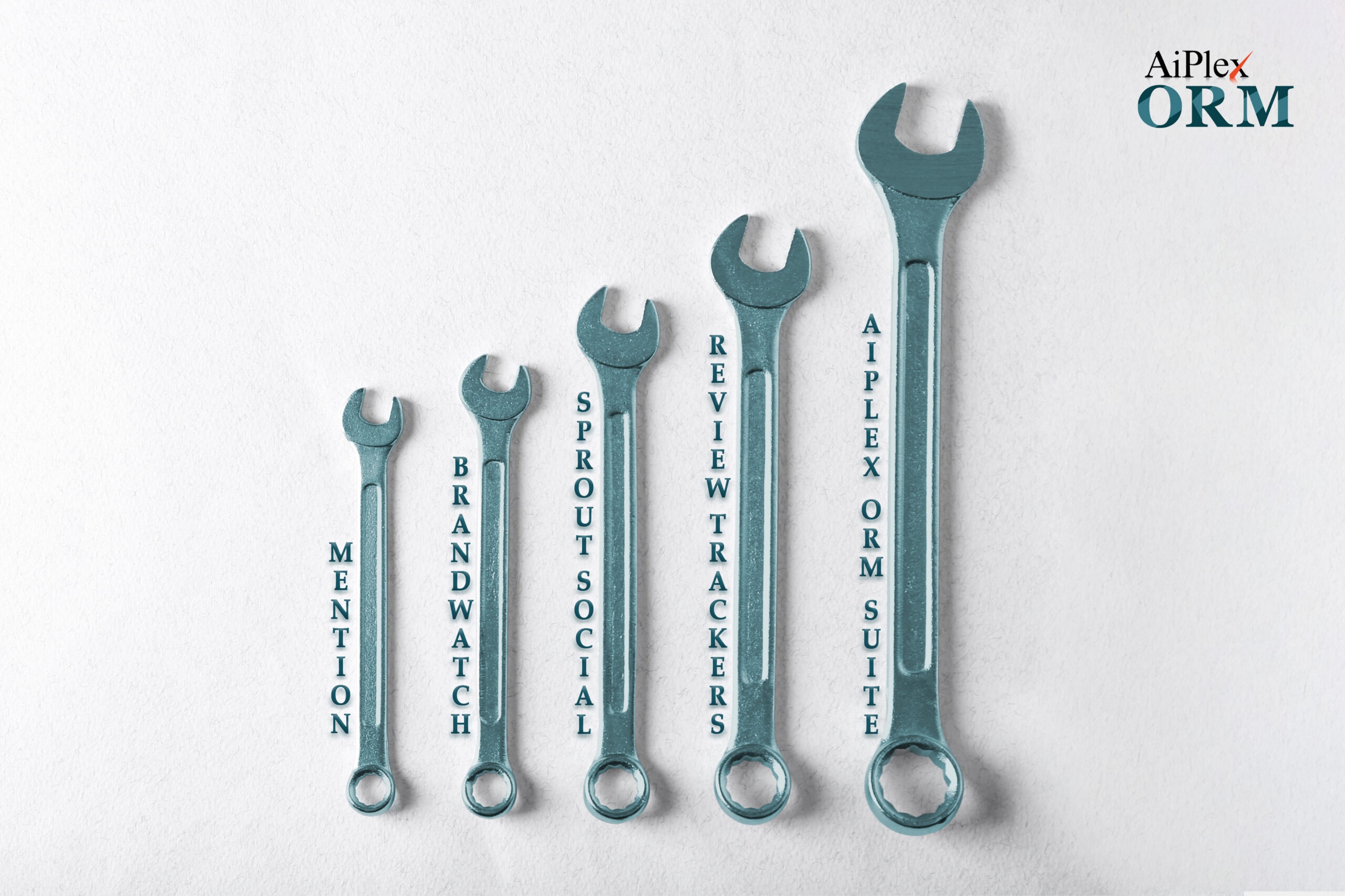
    Brandwatch: AI-Driven Sentiment and Market Insights

    Brandwatch continues to dominate in 2025 with its superior AI-powered sentiment analysis. Its machine learning algorithms provide actionable insights, making it a favorite among data-driven brands.

    Integrated with CRM systems and real-time alerts, Brandwatch helps brands stay ahead of the narrative. It also offers customizable dashboards, which are perfect for large teams.

    Mention: Real-Time Monitoring with Team Collaboration

    Mention excels at real-time tracking across social platforms, blogs, and forums. Its user-friendly interface allows for easy keyword tracking, and its collaboration features are ideal for marketing teams.

    The tool also provides sentiment tagging, making it easier to prioritize responses. Mention is great for small to medium-sized businesses looking for affordable yet powerful reputation tools.

    Sprout Social: Customer Engagement with Analytics

    Sprout Social combines social media management with reputation tracking. It offers advanced analytics, sentiment analysis, and automated reporting, making it ideal for brands active on social channels.

    It stands out with its Smart Inbox, which consolidates all brand mentions and interactions in one place. This enables faster, more informed engagement with followers.

    ReviewTrackers: Specialized Review Management Tool

    For brands heavily reliant on reviews (e.g., hospitality, healthcare), ReviewTrackers is invaluable. It aggregates reviews from over 100 platforms and provides tools for response management and trend analysis.

    Its detailed reporting helps identify recurring customer issues and improvement areas. Keywords like “review aggregation” and “customer feedback analysis” apply well here.

    Aiplex ORM Suite: Integrated Online Reputation Defense

    Aiplex ORM offers a full-stack solution for brand reputation management, including monitoring, suppression of negative content, and digital PR. It integrates with major analytics tools and provides customized strategies based on industry.

    Its proprietary AI engine helps detect and mitigate reputation threats early. Learn more about the Aiplex ORM Suite and why it’s trusted by global brands.

    Meltwater: News and Social Media Listening Combined

    Meltwater combines traditional media monitoring with social media listening. Its robust analytics and influencer tracking capabilities set it apart.

    The tool is best suited for PR professionals and brands focusing on media coverage. Meltwater also integrates with Google Analytics for advanced campaign insights.

    Reputology: Customer Experience Focused Monitoring

    Reputology offers multi-location monitoring, perfect for franchises and businesses with multiple outlets. It emphasizes actionable insights from customer feedback.

    Its ticketing system converts reviews into service tasks, ensuring no issue goes unresolved. “Customer review resolution” and “experience management” are suitable secondary terms here.

    Hootsuite Insights: Powered by Brandwatch

    As part of the Hootsuite platform, Hootsuite Insights uses Brandwatch’s backend to deliver robust monitoring. It integrates with Hootsuite’s scheduling and publishing tools.

    Ideal for social media marketers, it provides real-time analysis, sentiment tracking, and influencer identification. The unified platform helps maintain brand consistency.

    NetReputation: Personalized Reputation Solutions

    NetReputation offers tailored solutions including content removal, SEO suppression, and personal brand management. It’s particularly useful for individuals, executives, and small business owners.

    Their concierge service ensures every campaign is aligned with specific goals. Keywords like “SEO reputation suppression” and “personal brand defense” resonate with this tool.

    BuzzSumo: Content Monitoring and Influencer Tracking

    BuzzSumo helps brands understand how their content is performing and where their mentions originate. It also identifies influencers who can elevate brand perception.

    Its strength lies in tracking content virality and market sentiment. This tool is essential for content-heavy brands and digital publishers.

    Why Choose Aiplex for Brand Reputation Management?

    Aiplex stands out by offering comprehensive, AI-driven brand reputation management services. Unlike generic tools, Aiplex provides a customized approach tailored to each client’s needs. From monitoring and analysis to proactive mitigation and recovery, their service spans the entire spectrum of brand protection.

    With a proven track record and industry-specific solutions, Aiplex is equipped to handle the unique challenges of 2025. Their technology is constantly updated to adapt to emerging threats and platforms. Most importantly, they provide real human support, ensuring that brand crises are handled with empathy and strategy.

    Visit Aiplex ORM to explore their full suite of services.

    Conclusion

    Brand reputation management is no longer optional—it’s integral to sustained growth and consumer trust. The tools we’ve explored offer varied features, from AI-driven insights to real-time monitoring, tailored to different brand needs. Choosing the right combination will empower your brand to stay ahead of threats, build credibility, and maintain a stellar online presence.

    For businesses serious about online reputation in 2025, platforms like Aiplex ORM provide a robust, scalable, and proactive solution. Don’t wait for a crisis to start managing your reputation. Take charge today and future-proof your brand.

    FAQs

    1. What is brand reputation management?
      Brand reputation management involves monitoring, influencing, and controlling how a brand is perceived online and offline.
    2. Why is reputation management important in 2025?
      With digital platforms amplifying voices, managing reputation is crucial for credibility, trust, and revenue.
    3. Are free reputation management tools effective?
      Some offer basic features, but comprehensive reputation control typically requires paid solutions.
    4. What makes Aiplex ORM different?
      It combines AI, analytics, and human strategy to offer holistic and customized reputation solutions.
    5. How does sentiment analysis work in these tools?
      They use AI and NLP to evaluate the emotional tone of brand mentions in real time.
    6. Can reputation tools remove negative reviews?
      Most tools can’t delete content but help mitigate its impact through engagement and SEO tactics.
    7. How do I choose the best tool for my brand?
      Consider factors like scale, integration, reporting, and your specific industry needs.
    8. Do these tools help with crisis management?
      Yes, many offer alerts and workflow automation to address issues before they escalate.
    9. Are these tools suitable for small businesses?
      Absolutely. Many platforms offer scalable pricing and features for small teams.
    10. Where can I learn more about Aiplex services?
      Visit https://aiplexorm.com for detailed information on their ORM solutions.