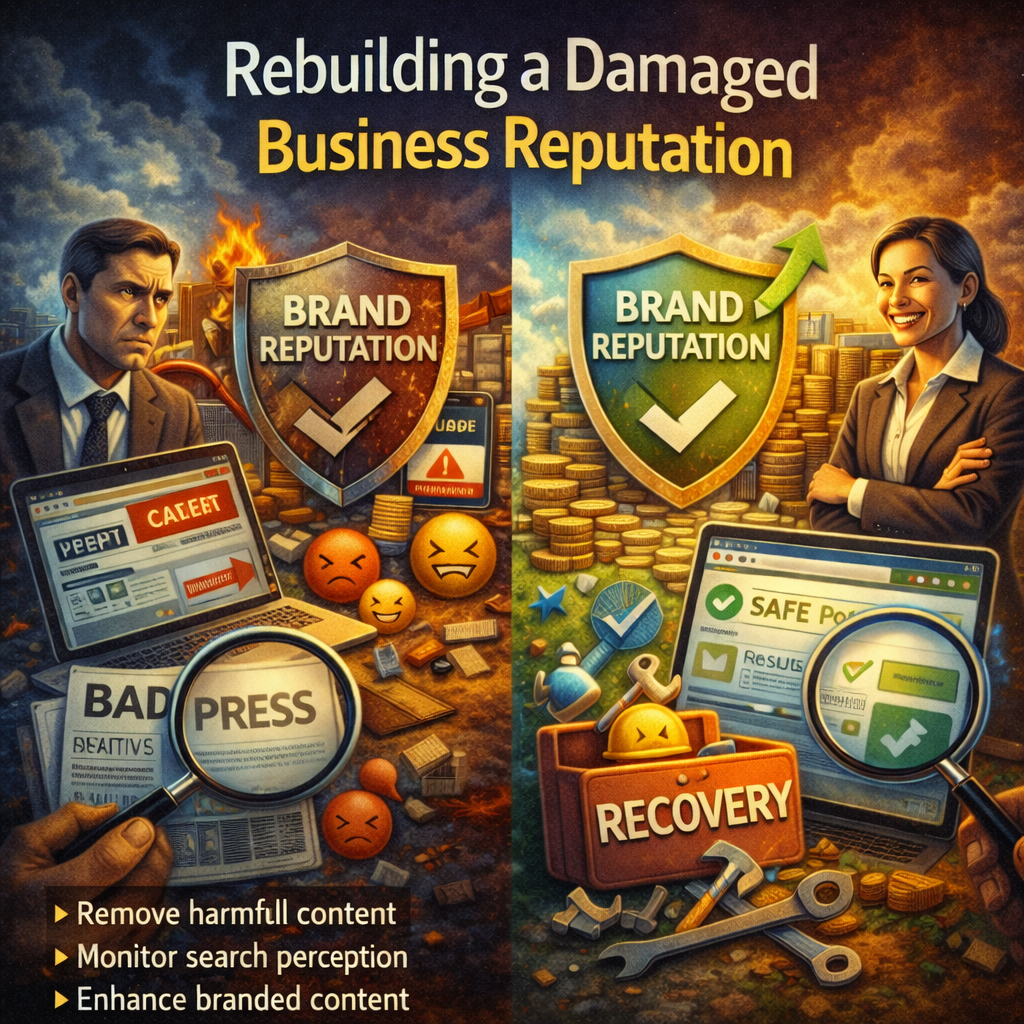
Building a solid business reputation takes years of consistent effort, ethical conduct, and exceptional customer experiences.
However, it only takes a few missteps to damage that reputation and erode hard-earned trust. Many businesses underestimate how fragile brand credibility can be a single mishandled customer complaint, misleading marketing claim, or unaddressed online review can lead to a public perception crisis. Understanding the impact of reputation mistakes is vital to safeguard long-term brand integrity and credibility. When your business reputation is compromised, it can affect customer loyalty, investor confidence, and even your talent retention.
This blog explores the most common business reputation mistakes that often go unnoticed but can significantly damage brand trust. We’ll analyze how these errors occur, what warning signs to watch for, and the best practices to prevent them. Whether you’re a startup or a global enterprise, being aware of these pitfalls helps ensure your brand remains strong, transparent, and trustworthy. Let’s uncover how avoiding these mistakes can protect your reputation and strengthen your relationship with your audience.
Things to Know Before Understanding Business Reputation Mistakes
Before diving into the specific mistakes, it’s important to understand what makes a business reputation so valuable. Reputation isn’t built overnight—it’s shaped by consistent experiences, communication, and transparency. Every stakeholder interaction contributes to how a brand is perceived publicly and privately. When a company fails to monitor and manage these perceptions, small issues can escalate into significant crises that impact long-term business goals.
Below are the foundational elements of business reputation management every organization should understand. These principles set the stage for recognizing where and why reputation mistakes often happen.
The Link Between Credibility and Customer Trust
- A brand’s credibility is directly tied to customer trust, which forms the backbone of sustainable business success. When credibility falters, even the most loyal customers may begin to doubt your intentions or reliability. Factors like inconsistent messaging, poor customer support, and lack of transparency weaken credibility and can quickly spread through customer reviews or social media discussions.
- Maintaining customer trust means prioritizing authenticity in every communication. Businesses that make promises they cannot keep or exaggerate their offerings risk losing more than just customers they lose public faith. A credible reputation reinforces customer loyalty and attracts new audiences through word-of-mouth advocacy.
The Role of Transparency in Brand Perception
- Transparency is one of the strongest indicators of an ethical business. Companies that openly communicate about their policies, pricing, or challenges demonstrate accountability. When brands conceal critical information or fail to acknowledge mistakes, the damage to brand perception can be severe. Customers appreciate honesty, even when a brand admits its shortcomings.
- Incorporating transparent practices strengthens stakeholder confidence. From supply chain disclosures to ethical sourcing statements, openness builds credibility across all levels of operation. A lack of transparency, however, breeds suspicion and diminishes brand authenticity, which can harm reputation in the long run.
How Online Presence Shapes Business Reputation
- A company’s online presence serves as the first impression for most customers. Negative reviews, outdated websites, and inconsistent branding across digital platforms can all undermine your reputation. Consumers rely heavily on online content when forming opinions about a business—so ensuring accuracy and consistency is critical.
- Active online reputation management ensures that your digital image aligns with your company’s values. Responding to customer feedback, maintaining current information, and using ethical marketing tactics help reinforce credibility. Neglecting your online image can cause misinformation to spread and weaken customer trust.
The Importance of Consistent Brand Messaging
- Consistency is often overlooked, yet it’s a defining feature of a reputable brand. When messaging across campaigns, channels, and departments conflicts, it creates confusion and diminishes credibility. Consistent messaging ensures that every customer touchpoint communicates the same promise and personality of the brand.
- Misaligned communication often leads customers to question authenticity. To avoid this, businesses must establish clear tone guidelines and brand voice parameters. This unity of message not only strengthens brand recall but also builds the trust essential for long-term success.
The Cost of Ignoring Feedback and Reviews
- Ignoring feedback, whether positive or negative, signals indifference to customer satisfaction. Businesses that fail to address reviews or criticism create a perception of neglect. Even minor complaints can grow into major public relations problems if left unresolved, especially in competitive markets.
- Engaging with feedback shows that your brand values customer input and strives for continuous improvement. Addressing criticism proactively demonstrates commitment to service quality and customer experience. This responsiveness enhances your brand’s reputation as attentive and responsible.
Common Business Reputation Mistakes That Hurt Brand Trust
Mistake 1: Neglecting Online Reputation Management
- Many businesses underestimate the power of online reviews, ratings, and comments. Failing to monitor these channels can allow misinformation or negative sentiments to spread unchecked. Over time, these unaddressed narratives can become the dominant perception of your brand, discouraging potential customers and partners.
- Implementing a robust online reputation management strategy ensures your brand controls its narrative. Regular monitoring, professional responses, and reputation repair services are essential tools to maintain credibility. A proactive approach keeps small issues from snowballing into public controversies.
Mistake 2: Inconsistent Customer Communication
- When customers receive mixed messages from different departments or marketing campaigns, confusion and mistrust arise. Inconsistency in tone or messaging suggests disorganization and lack of authenticity. Customers expect a coherent brand voice, especially across social media and customer support channels.
- To maintain credibility, businesses must ensure all communication aligns with their mission and core values. Regular internal training, brand guideline adherence, and unified digital strategies minimize inconsistencies that can harm reputation and weaken customer relationships.
Mistake 3: Mishandling Negative Feedback
- Ignoring or mishandling negative feedback is a major reputation killer. When customers feel unheard, they often resort to public complaints or reviews. A defensive or dismissive response can escalate the situation, damaging your reputation further.
- Instead, treat negative feedback as an opportunity for improvement. A polite, empathetic, and solution-oriented response can transform critics into advocates. Businesses that handle criticism gracefully earn respect and demonstrate professionalism under pressure.
Mistake 4: Overpromising and Underdelivering
- One of the most common mistakes businesses make is setting unrealistic expectations in marketing or sales promises. When results fail to meet customer expectations, the disappointment quickly turns into distrust. Overpromising might lead to short-term gains but has lasting negative effects on reputation.
- Honesty and clarity in customer communications prevent such disappointments. Always ensure that claims are backed by evidence and that service delivery aligns with promises. Customers value reliability far more than exaggerated claims.
Mistake 5: Ignoring Employee Advocacy
- Employees are the most authentic ambassadors of your brand. When they are dissatisfied or disconnected, their negative experiences can easily reach the public. Glassdoor reviews, social media posts, and word-of-mouth feedback all influence how others perceive your company.
- Encouraging positive employee advocacy through engagement initiatives and transparent culture enhances your business reputation internally and externally. When employees genuinely support the company’s mission, their enthusiasm reflects positively on the brand image.
Mistake 6: Poor Crisis Management
- Every business faces crises—data breaches, public complaints, or product recalls. What matters most is how swiftly and professionally the brand responds. Poorly handled crises often amplify negative publicity and can destroy customer trust overnight.
- A well-prepared crisis communication plan helps mitigate damage. Establishing clear roles, timely response strategies, and media management protocols ensures that your business remains composed under pressure and preserves brand trust.
Why Choose Aiplex ORM for Business Reputation Management
Aiplex ORM specializes in protecting and enhancing business reputations through proven online reputation management strategies. With expertise in monitoring digital footprints, addressing negative content, and optimizing brand visibility, Aiplex ensures your brand narrative remains positive and authentic. Businesses that partner with Aiplex benefit from real-time monitoring, tailored response mechanisms, and ethical reputation repair solutions.
Beyond just damage control, Aiplex ORM focuses on proactive brand enhancement. By aligning reputation management efforts with your overall marketing strategy, Aiplex helps build stronger customer relationships and ensures long-term brand trust. With their comprehensive approach, your business can confidently face reputation challenges and turn them into opportunities for growth.
Conclusion
A strong business reputation is one of the most valuable assets an organization can possess. Avoiding mistakes such as neglecting feedback, mishandling crises, and inconsistent communication can preserve your credibility and strengthen stakeholder trust. Reputation management is an ongoing effort requiring consistent attention, transparency, and responsiveness across all levels of your business.
Aiplex ORM empowers businesses to manage their online presence, address negative publicity, and build a resilient brand image. By investing in proactive reputation management strategies, your company not only prevents potential crises but also fosters genuine trust with its audience. Protecting your business reputation today ensures a foundation of loyalty, respect, and credibility that lasts well into the future.