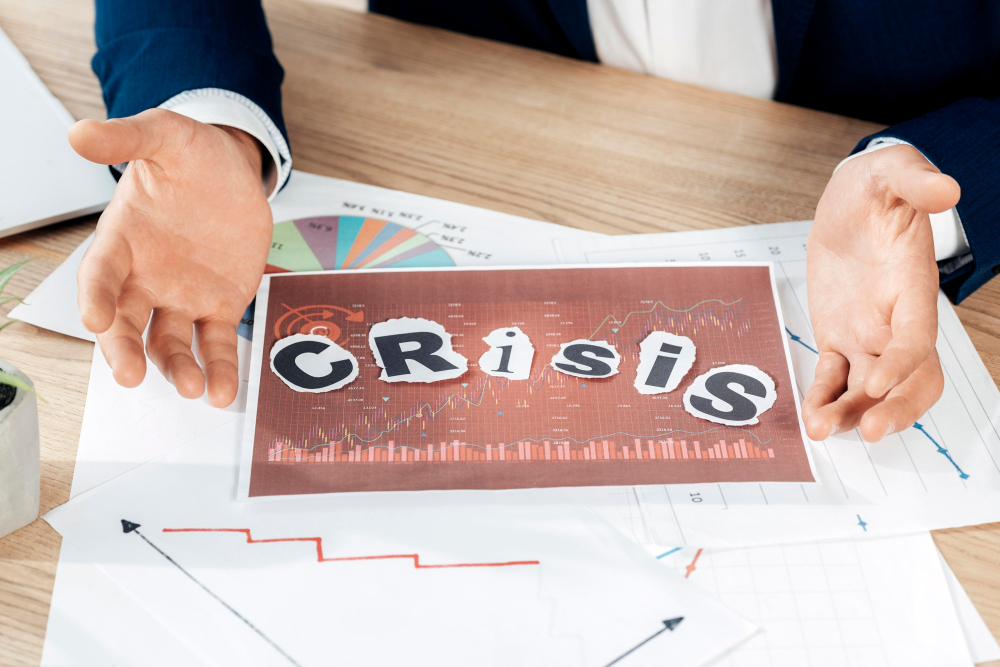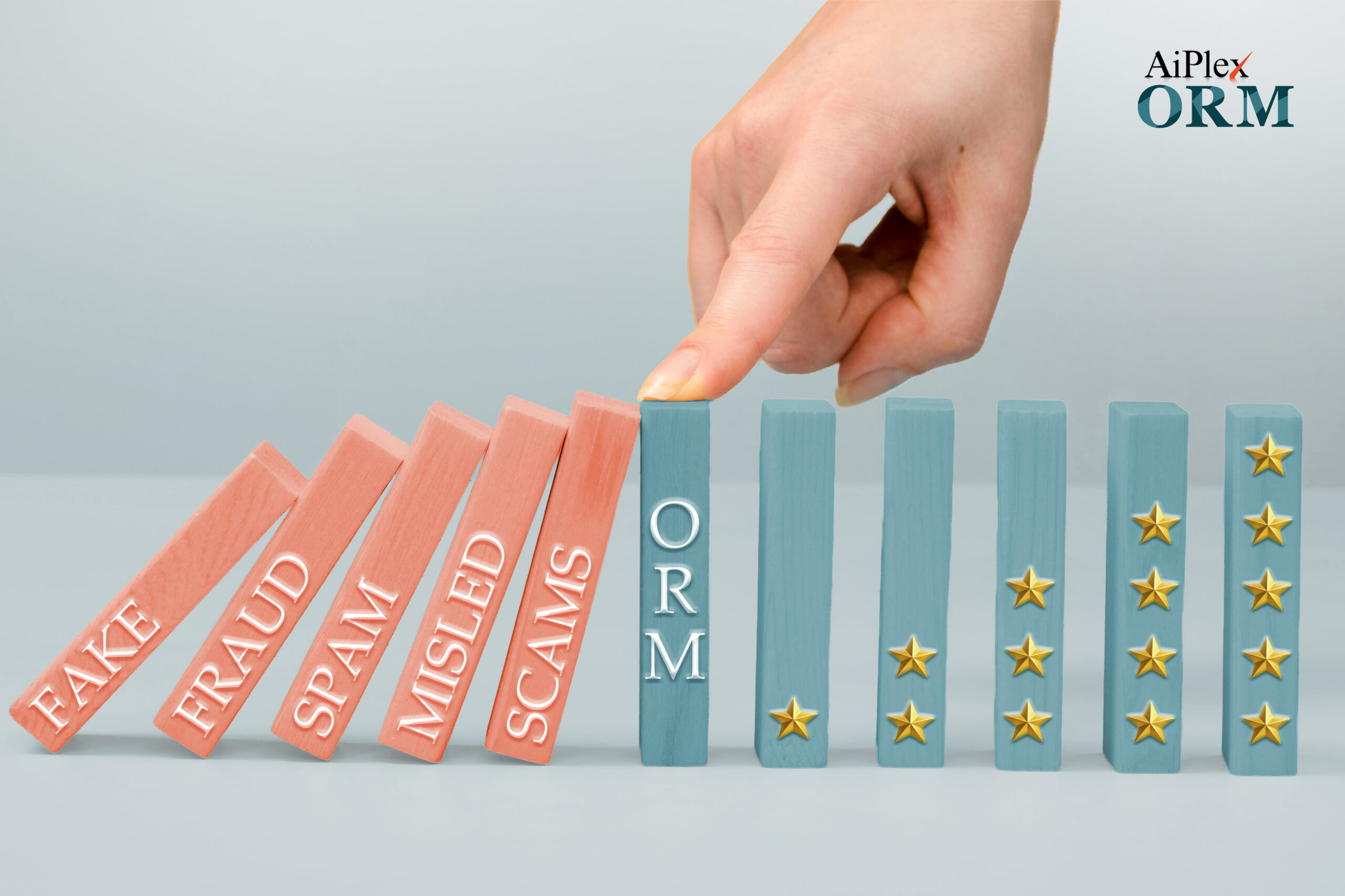
A reputation crisis can emerge suddenly an unexpected controversy, a viral complaint, or a damaging media story can put a brand’s image at risk. Many businesses underestimate how quickly such crises spread, leading to confusion, loss of trust, and financial setbacks. This blog explores the key aspects of crisis management, helping you understand the importance of timely, transparent, and strategic responses that protect your brand reputation and foster public confidence.
Crisis management isn’t just about reacting when things go wrong; it’s about being prepared. This article explains the essential steps to handle reputation challenges effectively and highlights how proactive planning ensures business continuity. We’ll explore crucial insights into monitoring online sentiment, building communication strategies, and how professionals like Aiplex ORM can help organizations navigate tough situations with minimal impact.
Understanding Crisis Management Fundamentals
Before you dive into strategies and tools, it’s important to understand the foundation of crisis management. Managing a crisis involves anticipating potential threats, developing communication plans, and ensuring that every stakeholder—from employees to customers—receives accurate information. This section will guide you through the fundamental principles that every organization should know before preparing a full crisis plan.
Identifying Early Warning Signs
- Recognizing early indicators of a reputation crisis can save your brand from significant harm. Sudden changes in customer sentiment, spikes in negative mentions, or unusual social media activity often signal emerging trouble. Monitoring these patterns allows teams to respond before issues escalate into full-blown crises.
- Equipping your brand with real-time monitoring tools and sentiment analysis software helps you stay ahead. Early detection enables rapid, data-driven decision-making, ensuring that responses are strategic rather than reactive. Establishing such systems is the first step toward building an effective defense against reputational damage.
Setting Up a Crisis Response Framework
- A structured crisis response framework ensures that no time is wasted when a crisis hits. It defines who is responsible for what, the communication chain, and escalation protocols. This structure eliminates confusion, helping the organization respond quickly and consistently.
- A well-documented framework should outline roles, communication templates, and approval workflows. The faster and more accurately your team acts, the better your chances of maintaining control over the narrative. This systematic approach also builds trust with internal and external stakeholders.
Importance of Communication Strategy
- Transparent and empathetic communication lies at the heart of effective reputation management. During a crisis, silence or unclear statements can worsen the situation. Companies need to communicate quickly, share verified information, and acknowledge the problem without defensiveness.
- The communication strategy should define messaging tone, spokespersons, and preferred platforms. Consistency and clarity reassure audiences that the brand takes responsibility and values accountability. By aligning all messages, organizations reduce misinformation and restore credibility faster.
Stakeholder Mapping and Coordination
- Effective stakeholder coordination ensures that all relevant groups—employees, customers, media, and partners—receive the right information at the right time. Miscommunication between departments or conflicting statements can amplify damage.
- Creating a stakeholder map allows businesses to prioritize communications. Employees might need internal updates before public announcements, while media require fact-based statements. This coordination helps manage expectations and strengthens relationships with key audiences.
Documentation and Post-Crisis Learning
- Every crisis offers valuable lessons for future preparedness. Maintaining detailed documentation from initial triggers to resolution steps enables analysis of what worked and what didn’t. Reviewing these records improves resilience and enhances your future crisis preparedness.
- Conducting post-crisis debriefs with all departments ensures that learnings are implemented. Adjusting your strategies based on past experiences strengthens your overall defense against future incidents and fosters a culture of continuous improvement.
Key Strategies for Managing a Reputation Crisis
Once you understand the fundamentals, implementing actionable strategies becomes essential. Below are core principles that guide how to manage and recover from crises while preserving brand trust and authority.
1. Rapid Response and Acknowledgment
- Speed is crucial during a crisis. The longer a company waits to respond, the more speculation and misinformation spread. Acknowledging the issue quickly signals transparency and control.
- Timely acknowledgment shows that your brand is attentive and cares about its audience. Even a brief initial statement promising further updates can calm concerns and prevent rumors. Quick responses also demonstrate strong governance and responsibility.
2. Control the Narrative Through Verified Information
- When negative news circulates, facts often get distorted. Providing verified information helps maintain credibility and prevents speculation. This approach ensures audiences trust your version of events over rumors.
- Sharing clear, factual updates across official platforms allows the brand to steer the conversation. Encouraging employees and partners to share accurate information reinforces brand consistency and helps stabilize public perception.
3. Leverage Digital Monitoring Tools
- Modern crisis communication depends on understanding public sentiment in real time. Tools that track keywords, mentions, and media trends allow organizations to measure impact and tailor responses effectively.
- Digital monitoring provides valuable insights into audience emotions and trending discussions. By acting on data rather than assumptions, brands can adapt messages and prevent escalation, turning potential disasters into manageable situations.
4. Align Internal and External Communication
- During a crisis, internal communication is as vital as external messaging. Employees are often the first line of defense and must be informed before the public. Clear internal briefings prevent leaks and ensure everyone communicates consistently.
- Externally, keeping stakeholders updated with accurate information promotes transparency. Aligning internal and external efforts prevents mixed signals and strengthens trust across all channels.
5. Maintain Empathy and Accountability
- Empathy transforms public perception during a crisis. A sincere acknowledgment of concerns and an apology when necessary can repair trust faster than defensiveness. Audiences appreciate honesty and human-centered responses.
- Accountability shows that the brand takes ownership and is committed to solutions. Combining empathy with decisive actions—like compensation, service recovery, or community support—demonstrates authentic responsibility.
The Role of Technology in Crisis Management
Technology has become an indispensable ally for managing brand reputation effectively. From sentiment analysis to predictive analytics, digital tools empower organizations to detect, analyze, and resolve issues faster than traditional methods.
AI-Driven Sentiment Analysis
- AI-powered tools can track audience sentiment across platforms, analyzing thousands of comments within minutes. This insight allows businesses to identify negative trends and intervene promptly before the issue escalates.
- Sentiment analysis provides objective feedback that guides communication tone and strategy. It also helps measure the effectiveness of recovery efforts and optimize future campaigns.
Automated Monitoring Systems
- Automation enhances crisis detection efficiency. Automated alerts notify teams about potential risks, helping them act before problems spread widely. These systems continuously scan the digital landscape for anomalies.
- This proactive monitoring helps organizations allocate resources wisely. By prioritizing the most severe issues, brands can manage crises strategically and maintain focus on long-term goals.
Social Media Management Platforms
- Social platforms often amplify crises, but they also provide opportunities for transparent communication. Managing social interactions effectively can turn negative attention into positive engagement.
- Using social media management tools ensures consistency, timely replies, and audience engagement tracking. Proactive moderation reduces misinformation and strengthens brand voice even under pressure.
Data Security and Protection Measures
- A data breach can quickly turn into a reputational disaster. Robust data security systems prevent unauthorized access, while encryption and access controls safeguard sensitive information.
- Implementing strong cybersecurity practices builds trust with customers and partners. Demonstrating data responsibility reassures stakeholders of your commitment to privacy and compliance.
Predictive Analytics for Crisis Prevention
- Predictive analytics enables companies to anticipate potential crises based on patterns and historical data. This foresight transforms crisis management into a proactive discipline.
- By integrating predictive models into decision-making, businesses can simulate scenarios, assess vulnerabilities, and prepare communication strategies in advance. Prevention is always more cost-effective than recovery.
Why Choose Aiplex ORM for Crisis Management
Aiplex ORM stands out as a leader in online reputation management and crisis handling. Their team combines technology-driven insights with strategic communication expertise to protect and rebuild brand images effectively. Whether it’s managing viral misinformation, addressing media controversies, or restoring public confidence, Aiplex offers tailored solutions designed for long-term stability.
With years of experience and advanced AI-powered tools, Aiplex provides continuous monitoring, rapid response systems, and post-crisis recovery plans. Their integrated approach ensures your brand maintains credibility even under extreme pressure. Partnering with Aiplex ORM gives your business the resilience it needs to navigate uncertainty confidently.
Conclusion
Reputation crises are inevitable, but how a company responds defines its future. Businesses that invest in preparation, monitoring, and clear communication recover faster and stronger. Building trust requires consistency, empathy, and transparency at every stage.
Effective crisis management isn’t about avoiding problems entirely it’s about mastering response and recovery. With experts like Aiplex ORM guiding your brand, you gain a strategic partner capable of turning challenges into opportunities for growth and renewed trust. Safeguard your reputation today and ensure that every crisis becomes a lesson in strength and adaptability.