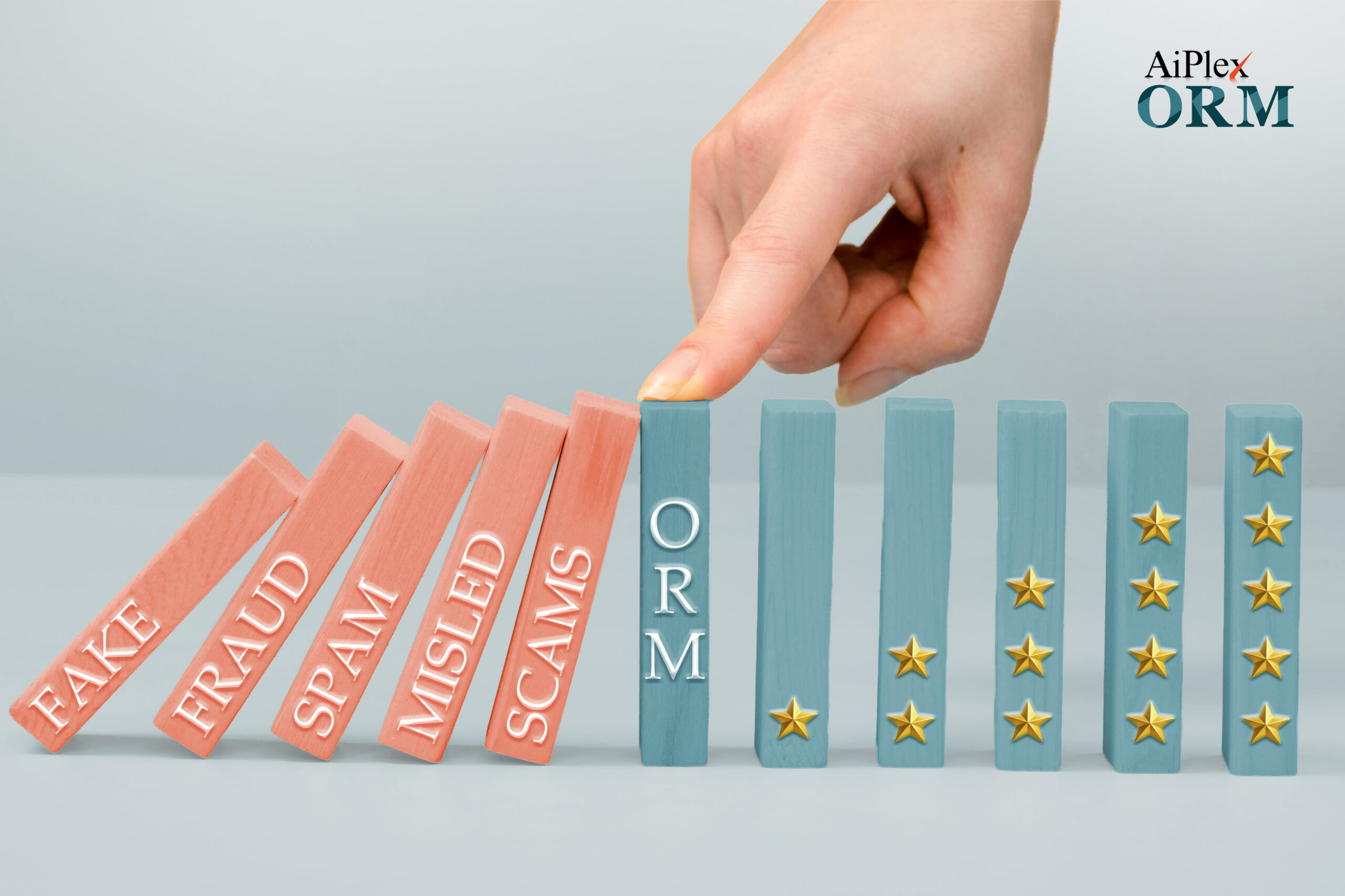
When a sudden PR storm or unexpected backlash hits, even the most respected brands can find their reputation hanging by a thread.
The way a company responds in these crucial moments can define its long-term credibility and customer trust. Crisis management is not just about damage control; it’s about strategic communication, rapid action, and restoring confidence among audiences who matter most. Whether it’s a social media outrage, product issue, or leadership controversy, knowing the right steps can determine whether your brand sinks or survives.
Crisis management is a structured, strategic approach that empowers organizations to handle emergencies effectively while protecting brand reputation. This blog explores the essential steps every brand should take to navigate crises with professionalism and composure. From early detection and communication strategies to post-crisis analysis, we’ll uncover the actionable framework that successful brands rely on. Read on to discover how your business can build a resilient crisis management plan that minimizes risk and preserves reputation — and learn how Aiplex ORM can support you at every stage.
Key Things to Understand Before Starting Crisis Management
A well-prepared brand doesn’t wait for a crisis to happen — it anticipates one. Before building your plan, it’s crucial to understand the foundational aspects that make crisis management effective. These include the types of crises, their impact on brand equity, the importance of communication protocols, and the role of leadership in response planning. A clear understanding of these fundamentals ensures that your crisis response strategy is proactive rather than reactive.
Types of Brand Crises and Their Impact
- Brands can face various crises, including data breaches, negative media coverage, executive misconduct, or customer backlash. Each type requires a tailored response to mitigate damage. For instance, a social media controversy demands a fast, transparent communication strategy, while a product defect calls for immediate recalls and customer outreach. Recognizing these distinctions ensures your crisis management plan addresses the specific nature and scale of potential threats.
- Understanding crisis categories helps companies align their responses with severity levels and choose appropriate communication channels. By mapping potential crises to risk levels, brands can establish response hierarchies, ensuring faster decisions during emergencies. For example, a reputational crisis may demand executive statements, while operational issues can be managed by PR teams. A structured approach limits confusion and promotes accountability.
Importance of Preparedness and Risk Assessment
- Preparedness is the cornerstone of crisis resilience. Conducting a risk assessment helps identify vulnerabilities across operations, communication channels, and personnel. By evaluating potential weak points — such as security lapses, employee misconduct, or product safety concerns businesses can prevent issues before they escalate. A comprehensive crisis management framework includes contingency planning and simulation exercises to ensure every stakeholder knows their role.
- When risks are preemptively identified, crisis prevention becomes as integral as crisis resolution. Brands that regularly conduct scenario-based training not only respond faster but also maintain composure under pressure. This proactive mindset minimizes financial loss and reputational damage while projecting confidence to customers and partners.
The Role of Communication in Crisis Management
- Clear, timely, and consistent communication is the lifeline of effective crisis management. Brands must have predefined communication protocols to ensure that messages are accurate and unified across all channels. Misinformation spreads quickly, and without a structured response, even minor issues can spiral into full-blown PR disasters. Crafting holding statements, designating spokespersons, and monitoring media sentiment are essential practices.
- Transparency builds trust during uncertainty. Companies that acknowledge issues honestly and provide updates earn public respect, even amid challenges. Conversely, evasion or silence can amplify damage. Strategic communication helps control narratives and reinforce a brand’s values, signaling accountability and empathy to stakeholders.
Leadership and Decision-Making During a Crisis
- Leadership defines how a crisis unfolds and resolves. Decision-makers must act swiftly, guided by accurate data and aligned with organizational values. A well-prepared crisis management team, including executives, PR experts, and legal advisors, ensures that actions and messaging remain consistent. Empowering leaders with authority and clarity reduces response delays and prevents miscommunication.
- Strong leadership fosters confidence among employees, investors, and customers. When leaders take visible ownership and demonstrate empathy, it reassures audiences that the organization is in control. A decisive, transparent leadership approach not only restores reputation but also strengthens internal morale.
Importance of Monitoring and Early Detection
- Early warning systems can detect potential crises before they escalate. Tools such as social listening, sentiment analysis, and media monitoring allow brands to spot negative trends in real time. By acting on early signals whether it’s a viral complaint or media speculation organizations can contain situations proactively.
- Monitoring is not a one-time task; it’s an ongoing commitment. Brands that track digital conversations continuously are better equipped to identify emerging risks and manage them promptly. Partnering with ORM experts like Aiplex ensures access to advanced monitoring tools and analytics, empowering proactive protection of brand integrity.
Essential Crisis Management Steps Every Brand Must Follow
Once the fundamentals are understood, brands can implement a structured crisis management process. These steps serve as the blueprint for identifying, responding to, and recovering from crises while maintaining stakeholder trust.
Step 1: Identify the Crisis Early
- Timely identification is the first line of defense. Brands must establish monitoring protocols that alert teams when negative sentiment spikes or anomalies appear in public perception. Recognizing early warning signs allows companies to act before narratives spiral out of control.
- Swift identification not only reduces response time but also positions the brand as responsible and aware. By having an ORM system in place, brands can detect mentions, complaints, or misinformation quickly a critical factor in preventing escalation.
Step 2: Form a Crisis Response Team
- A crisis management team acts as the command center during turbulent moments. This team typically includes executives, PR managers, social media experts, and legal advisors. Their collective goal is to evaluate the situation and deploy a unified response plan.
- Defined roles within the team minimize confusion. Assigning spokespersons, data analysts, and customer communication leads ensures that every aspect of the crisis is managed efficiently. Regular drills and cross-functional training enhance coordination and readiness.
Step 3: Gather Facts Before Taking Action
- Before releasing any statements or taking corrective action, it’s vital to gather all relevant facts. Understanding the full context prevents misinformation and helps maintain credibility. A factual foundation ensures that responses are accurate and defensible.
- Rushed decisions often amplify crises. By verifying sources and consulting internal data, brands can issue confident communications that demonstrate control and responsibility. Accuracy builds long-term trust, even in high-pressure situations.
Step 4: Communicate Transparently and Quickly
- Transparency reinforces authenticity. Brands should issue clear, empathetic statements that acknowledge the issue and outline immediate steps being taken. Silence can be misconstrued as guilt, while misleading claims can permanently damage reputation.
- Fast communication doesn’t mean reckless messaging. Each statement should align with verified information and organizational values. A well-crafted message delivered at the right time can shift public sentiment from outrage to understanding.
Step 5: Engage with Stakeholders Effectively
- Stakeholders including customers, employees, investors, and media need reassurance during a crisis. Open dialogue ensures they remain informed and confident in the brand’s integrity. Two-way communication channels, such as social media responses and press updates, are vital.
- Engagement should prioritize empathy and clarity. Listening to stakeholder concerns and responding thoughtfully strengthens relationships even under pressure. Effective engagement transforms moments of uncertainty into opportunities for deeper connection.
Step 6: Implement Corrective Measures
- Actions speak louder than statements. Once a crisis is under control, tangible corrective steps demonstrate accountability. Whether it’s product recall, customer compensation, or policy revisions, visible actions restore credibility.
- Corrective measures should address both the immediate cause and systemic weaknesses. A genuine commitment to improvement reassures the public that the crisis was an isolated event rather than a recurring flaw.
Step 7: Review and Learn from the Crisis
- Every crisis offers lessons for the future. Post-crisis reviews help organizations analyze what worked, what didn’t, and where improvements are needed. Documenting these insights strengthens future preparedness.
- A reflective approach converts challenges into strategic advantages. Continuous improvement fosters resilience, positioning the brand to handle future uncertainties with greater confidence.
Why Choose Aiplex ORM for Crisis Management
Crisis management requires expertise, precision, and cutting-edge monitoring tools all of which Aiplex ORM delivers. With decades of experience in online reputation management, Aiplex helps brands mitigate crises through real-time detection, rapid response, and reputation recovery solutions. Their proactive approach ensures that potential threats are neutralized before they escalate into public scandals.
Partnering with Aiplex means gaining access to a dedicated team of digital reputation specialists, PR experts, and analytics professionals. Their 360-degree crisis management services cover everything from sentiment tracking to stakeholder communication. Whether you’re facing online defamation or a viral backlash, Aiplex provides the strategy and support needed to safeguard your brand’s image and rebuild public trust.
Conclusion
A well-executed crisis management strategy is a brand’s shield against uncertainty. It enables organizations to act decisively, communicate transparently, and recover with their integrity intact. Every step from early detection and leadership coordination to stakeholder engagement plays a critical role in preserving reputation.
Building this resilience requires not just preparation but expert partnership. Aiplex ORM empowers businesses to handle crises with confidence, using advanced tools and strategic insight to protect brand identity. When every second counts, having Aiplex on your side ensures that your brand remains trusted, respected, and ready for any challenge ahead.