
Tag: linkremovalservices

  • What Is Negative Link Removal and Why Does It Matter?

    What Is Negative Link Removal and Why Does It Matter?

    A business’s online reputation is shaped by what people find when they search for its name. Search engine results often become the first source of information for potential customers, investors, employers, partners, and even journalists. While positive coverage helps establish credibility, negative search results can influence opinions before someone even visits a company’s website.

    This is where Negative Link Removal becomes an important part of online reputation management. It is the process of identifying, addressing, and reducing the visibility of harmful or misleading online content that negatively affects an individual or business. The objective is not to erase genuine criticism or manipulate public opinion. Instead, it focuses on removing content that violates policies, contains false information, infringes on privacy, or unfairly damages a reputation.

    For businesses, professionals, and public figures, maintaining a trustworthy digital presence is essential. A single negative result appearing prominently in search engines can impact customer confidence, business opportunities, and long-term brand perception. Understanding how negative link removal works helps organizations respond effectively before reputational issues become larger challenges.

    Understanding Negative Link Removal

    Negative Link Removal refers to the process of removing or reducing harmful online links that appear in search engine results. These links may lead to webpages containing false allegations, defamatory content, outdated information, fake reviews, unauthorized personal data, copyright violations, or other content that damages an individual’s or organization’s reputation.

    The process generally involves evaluating each negative link individually and determining the most suitable action. Depending on the nature of the content, this could include requesting removal from the website owner, reporting policy violations to search engines, submitting legal documentation when necessary, or implementing strategies that reduce the visibility of negative content through stronger positive digital assets.

    It is important to understand that not every negative result qualifies for removal. Legitimate news reports, authentic customer reviews, or factual information generally cannot be removed simply because they present an unfavorable opinion. Effective reputation management focuses on ethical practices that comply with search engine guidelines and legal standards.

    Why Negative Links Can Affect Your Reputation

    Search engines are often the first place people look when evaluating a business or individual. A few negative search results can influence purchasing decisions, hiring decisions, investment opportunities, and professional relationships.

    When someone encounters harmful content before finding official websites or positive information, it may create immediate doubt. Even if the information is inaccurate or outdated, many users assume that highly ranked search results are credible. As a result, negative links can reduce customer trust, lower conversion rates, damage brand credibility, limit business opportunities, affect investor confidence, create recruitment challenges, and contribute to long-term reputation issues. The impact becomes even greater when multiple negative links appear on the first page of search results.

    Types of Negative Links That May Require Removal

    Not every negative search result has the same impact. Some links cause minor inconvenience, while others can seriously affect personal or corporate reputation.

    Defamatory Content

    Defamatory webpages publish false statements that harm an individual’s or company’s reputation. If the information is demonstrably false and violates applicable laws, removal requests may be possible through legal channels or website administrators.

    Fake Reviews

    Competitors or malicious users sometimes post fabricated reviews intended to damage a business’s reputation. Many review platforms allow businesses to report reviews that violate community guidelines.

    Outdated Information

    Old articles, outdated legal records, or obsolete business information may continue appearing in search results long after the issue has been resolved. While not always removable, they may qualify for updates or removal depending on the publisher’s policies.

    Privacy Violations

    Content exposing personal addresses, financial information, identity documents, or confidential data may violate privacy policies and could be eligible for removal.

    Copyright-Infringing Content

    Unauthorized publication of copyrighted materials, images, documents, or intellectual property can often be addressed through copyright enforcement procedures.

    Harmful Forum Discussions

    Discussion forums occasionally contain misleading accusations or false claims that continue ranking in search engines for years. Depending on forum policies, these posts may be edited or removed.

    Fake News or Misleading Articles

    Some websites publish misleading content designed to attract traffic without verifying facts. If these articles violate platform policies or legal standards, removal options may be available.

    How Negative Link Removal Works

    Successful Negative Link Removal involves a structured process rather than a single action. Each case requires careful evaluation because different types of content require different approaches.

    Identifying Harmful Search Results

    The first step is conducting a detailed audit of search engine results associated with the brand or individual. This includes reviewing brand-related keywords, executive names, product names, business locations, and associated domains to identify links that are causing reputational damage.

    Evaluating the Nature of the Content

    After identifying harmful links, each result is analyzed to determine whether it contains false information, policy violations, privacy concerns, copyright infringement, defamatory statements, or outdated material. This evaluation helps determine the most effective removal strategy.

    Contacting Website Owners

    Many website administrators are willing to remove incorrect or harmful content after receiving a properly documented request. Professional communication often produces better outcomes than aggressive legal threats.

    Reporting Policy Violations

    Search engines and online platforms have procedures for reporting content that violates their guidelines. Depending on the circumstances, certain content may be removed from search results or the hosting platform.

    Legal Action When Necessary

    When harmful content violates applicable laws, legal remedies may be considered. Legal intervention is generally reserved for serious situations involving defamation, intellectual property infringement, impersonation, or privacy violations.

    Reputation Improvement

    If removal is not possible, strengthening positive online content becomes an important strategy. Publishing authoritative content, improving website visibility, and maintaining active digital profiles can help reduce the prominence of negative content over time.

    Why Businesses Should Take Negative Link Removal Seriously

    Reputation directly influences customer behavior. Before making purchasing decisions, consumers frequently research companies online. A few damaging search results can affect whether they choose to engage with a business.

    For organizations operating in competitive industries, reputation often becomes a deciding factor. Customers compare multiple providers before making decisions, and negative search results may influence their final choice. Businesses that actively monitor their online presence are better positioned to identify issues early and respond appropriately before negative content gains significant visibility.

    Common Situations That Require Negative Link Removal

    Several situations commonly lead businesses and professionals to seek Negative Link Removal. A former employee may publish misleading information about a company. A competitor may post fake reviews or false allegations. Private information may appear on websites without consent. Old legal matters that have already been resolved may continue ranking in search results. Individuals may become victims of identity misuse or impersonation, while businesses may face negative publicity based on inaccurate reporting. Each situation requires a different strategy depending on applicable platform policies and legal considerations.

    What Cannot Be Removed

    One of the biggest misconceptions about Negative Link Removal is that any unwanted content can simply disappear. In reality, many forms of content cannot be removed because they are protected by free speech, journalistic standards, or factual reporting. Genuine customer reviews, verified news coverage, legally published court records, public government documents, and honest opinions that comply with platform policies generally remain online. In these situations, reputation management focuses on improving positive online visibility rather than attempting improper removal.

    Best Practices for Managing Online Reputation

    Negative Link Removal should be part of a broader online reputation strategy rather than a one-time solution. Regular monitoring of search results helps businesses identify emerging issues before they become significant problems. Publishing accurate, high-quality content across official digital channels strengthens search visibility and provides users with reliable information. Responding professionally to legitimate customer feedback demonstrates accountability and builds trust. Maintaining updated business profiles across relevant platforms ensures customers find accurate information, while ongoing SEO efforts help positive content gain greater visibility over time.

    The Role of Professional Reputation Management

    Handling negative online content often requires technical expertise, legal understanding, and experience with search engine policies. Professional reputation management providers evaluate each situation individually and determine appropriate removal strategies based on the nature of the content. Their work may involve communication with publishers, documentation of policy violations, legal coordination when necessary, and development of long-term reputation improvement strategies.

    How Aiplex ORM Supports Negative Link Removal

    Aiplex ORM helps businesses and individuals protect their online reputation through structured and ethical reputation management practices. Every case begins with a detailed assessment of the digital landscape to understand the nature, source, and impact of negative search results. Where legitimate removal options exist, appropriate requests are prepared according to platform policies and applicable regulations. When removal is not feasible, strategic reputation-building initiatives help strengthen positive digital assets and improve overall search visibility. This approach focuses on sustainable reputation management and long-term digital credibility.

    Conclusion

    Negative Link Removal plays an important role in protecting the online reputation of businesses, professionals, and public figures. Harmful search results can influence customer decisions, reduce trust, and affect business growth if left unaddressed. An effective strategy combines careful evaluation, ethical removal efforts, compliance with platform policies, and continuous reputation improvement. By taking a proactive approach and partnering with experienced professionals like Aiplex ORM, organizations can build stronger digital credibility, protect their brand image, and maintain lasting trust among customers and stakeholders.

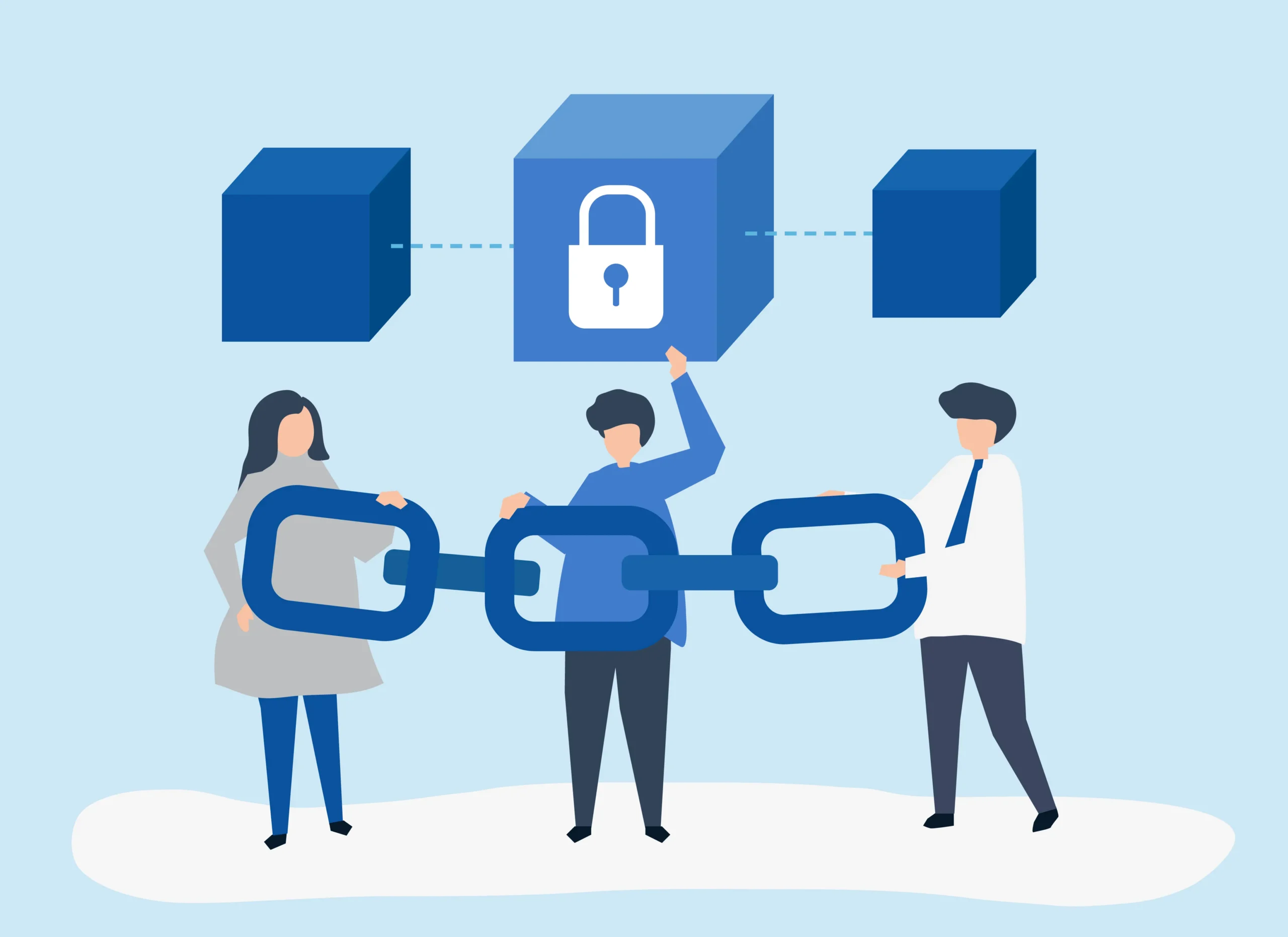
  • Negative Link Removal Service for Stronger Online Reputation

    Negative Link Removal Service for Stronger Online Reputation

    A single negative link can influence how customers, investors, employers, and business partners perceive a brand. Whether it appears in search results as a damaging article, misleading review, outdated content piece, or harmful backlink, negative online content often creates a lasting first impression that can be difficult to overcome. Many organizations invest heavily in marketing, customer experience, and brand development, yet harmful search results can undermine those efforts within seconds. This is why businesses, professionals, and public figures increasingly seek a negative link removal service to regain control over their digital presence and ensure their reputation accurately reflects their achievements, credibility, and values.

    When negative content gains visibility in search results, it does more than affect perception. It can impact lead generation, customer trust, recruitment efforts, partnerships, and revenue growth. Understanding the available options for removing, suppressing, or managing harmful links is essential for anyone concerned about their online reputation. This guide explores the most important aspects of negative link removal, the different services available, factors to evaluate before choosing a provider, and how professional reputation management can help create stronger long-term search visibility. Businesses looking to strengthen their online image can benefit from expert reputation management solutions offered by Aiplex ORM.

    Things to Know Before Choosing a Negative Link Removal Service

    Selecting the right service requires more than comparing pricing or turnaround times. Different negative links require different removal strategies, and not all providers use the same methods. Understanding key evaluation factors helps businesses make informed decisions while protecting their digital reputation.

    Understanding the Source of Negative Content

    Not all harmful links originate from the same source. Some come from review platforms, others from blogs, news articles, forums, complaint websites, or social media discussions. Each source has its own policies regarding content removal and dispute resolution. Understanding where the content exists helps determine the most effective removal strategy and realistic timeline.

    The source also influences the complexity of removal. A misleading blog post may require direct publisher outreach, while defamatory content could involve legal considerations. Identifying the source accurately ensures that businesses pursue the most efficient reputation management approach instead of wasting resources on ineffective solutions.

    Difference Between Removal and Suppression

    Many people assume every harmful search result can be removed completely. In reality, some content may not qualify for removal under platform guidelines. In such cases, search suppression strategies become essential. These strategies focus on improving positive content visibility to reduce the prominence of damaging search results.

    Understanding this distinction helps set realistic expectations. Effective online reputation management often combines removal efforts with suppression techniques to create sustainable improvements in search engine visibility and brand perception.

    Search Engine Policies Matter

    Search engines maintain strict content policies regarding removal requests. They generally do not remove content simply because it is negative. Instead, removal requests must often meet specific criteria related to privacy violations, defamation, copyright infringement, or legal concerns.

    A professional reputation management provider understands these requirements and can identify which removal pathways are most likely to succeed. This expertise helps businesses avoid unnecessary delays and increases the likelihood of achieving favorable outcomes.

    Reputation Damage Can Affect Revenue

    Negative search results do not exist in isolation. Prospective customers frequently research brands online before making purchasing decisions. When harmful content appears prominently, trust can decline significantly, leading to reduced conversions and missed business opportunities.

    Organizations that proactively manage their online presence often experience stronger customer confidence and improved credibility. Understanding the financial impact of reputation issues highlights why timely intervention is essential for long-term business growth.

    Long-Term Monitoring Is Essential

    Removing a negative link is often only one part of the process. New content can emerge over time, and search results continuously evolve. Ongoing monitoring allows businesses to identify emerging reputation threats before they gain significant visibility.

    Professional monitoring services help maintain a strong digital presence by tracking search results, mentions, reviews, and content trends. This proactive approach supports sustainable reputation protection and reduces future risks.

    Negative Link Identification and Analysis

    Before any removal effort begins, thorough analysis is necessary. Professional providers assess the nature of the content, its search visibility, authority, traffic potential, and overall impact on brand perception.

    Comprehensive analysis helps prioritize actions based on severity and business risk. By understanding which links cause the most damage, reputation management specialists can develop targeted strategies that maximize effectiveness while improving overall search result quality.

    Content Removal Request Management

    One of the most common services involves contacting website owners, publishers, administrators, or platform moderators to request removal of harmful content. These requests must be carefully prepared and supported by relevant evidence when necessary.

    Experienced professionals understand how to communicate effectively with content publishers while following platform guidelines. Strategic outreach often increases the likelihood of successful removal and reduces the risk of prolonged disputes.

    Defamation and False Information Resolution

    False information can significantly damage personal and corporate reputations. Defamatory content often spreads quickly and may continue influencing public perception long after publication.

    Specialized reputation management services evaluate potentially defamatory content and recommend appropriate response strategies. This may include direct removal requests, corrective content initiatives, legal consultation support, or search result management efforts designed to minimize visibility.

    Harmful Backlink Removal Services

    Negative links are not always public-facing content pieces. Toxic backlinks can also affect website credibility and search engine performance. These links may originate from spam networks, low-quality websites, or malicious SEO campaigns.

    Backlink analysis and cleanup services identify harmful link profiles and implement corrective actions. Maintaining a healthy backlink ecosystem supports stronger search performance while protecting overall brand visibility.

    Search Result Suppression Strategies

    When direct removal is not possible, suppression becomes a valuable reputation management technique. This approach focuses on promoting positive, authoritative, and relevant content that can outrank negative search results.

    Successful suppression campaigns typically include content development, digital PR, brand asset optimization, profile enhancement, and strategic publishing initiatives. These efforts improve search result balance while strengthening overall online credibility.

    Review and Reputation Management

    Customer reviews play a major role in digital trust. Negative reviews, especially inaccurate or policy-violating ones, can influence purchasing decisions and brand perception.

    Professional review management services help businesses identify problematic reviews, pursue removal where appropriate, and improve overall review sentiment through ethical reputation-building practices. This balanced approach supports stronger customer confidence and long-term brand trust.

    Online Reputation Monitoring Solutions

    Monitoring services provide ongoing visibility into how a brand appears across search engines, review platforms, news websites, blogs, and social channels. Early detection allows businesses to respond quickly before reputation issues escalate.

    Advanced monitoring also delivers valuable insights into public perception, competitive positioning, and emerging trends. These insights help organizations make informed decisions about reputation protection strategies.

    Crisis Reputation Management Support

    Some reputation challenges emerge suddenly and require immediate action. Viral content, public disputes, misinformation campaigns, and negative publicity events can rapidly affect search visibility and stakeholder trust.

    Crisis management services provide structured response strategies designed to contain damage, restore credibility, and improve search result quality. Timely intervention often determines how effectively a brand recovers from reputational challenges.

    Customized Reputation Recovery Plans

    Every reputation challenge is unique. The most effective providers develop customized strategies based on industry requirements, search result conditions, business objectives, and content severity.

    Personalized planning ensures resources are allocated effectively while maximizing measurable outcomes. This tailored approach often delivers stronger long-term results than generic removal programs.

    Why Choose Aiplex ORM for Negative Link Removal Services?

    Aiplex ORM combines extensive reputation management expertise with a strategic, results-focused approach. The company understands that every online reputation challenge requires careful analysis, customized planning, and ethical execution. Rather than applying one-size-fits-all solutions, the team evaluates each case individually to determine the most effective path toward improved search visibility and brand perception.

    Businesses, executives, professionals, and public figures benefit from comprehensive reputation management services that address both immediate concerns and long-term reputation goals. Through content analysis, removal strategies, suppression campaigns, monitoring services, and proactive reputation development, Aiplex ORM helps clients strengthen their digital presence while maintaining credibility across search platforms.

    Conclusion

    Building a strong online reputation requires more than responding to negative content after it appears. It involves understanding the nature of harmful links, evaluating available removal options, implementing effective suppression strategies, and maintaining ongoing visibility through proactive monitoring. As search results increasingly influence consumer trust and business decisions, reputation management has become a critical component of long-term success.

    A professional negative link removal service provides the expertise needed to navigate complex digital environments while protecting brand credibility. Whether dealing with harmful articles, misleading information, toxic backlinks, damaging reviews, or reputation crises, organizations benefit from strategic support designed to improve search result quality and public perception. By combining removal efforts, reputation monitoring, and positive content development, Aiplex ORM helps businesses and individuals create a stronger, more trustworthy online presence that supports sustainable growth and long-term success.

    Summary

    Negative links can affect trust, visibility, customer acquisition, and business growth. Choosing the right negative link removal service requires understanding content sources, search engine policies, removal options, suppression techniques, backlink management, review monitoring, and long-term reputation protection strategies. Each of these factors contributes to stronger search results and improved public perception.

    Aiplex ORM delivers comprehensive reputation management solutions tailored to unique client needs. Through expert analysis, ethical removal strategies, ongoing monitoring, and customized recovery plans, the company helps businesses and professionals maintain a positive digital presence. For organizations seeking lasting reputation improvement, partnering with an experienced online reputation management provider offers a practical path toward greater credibility, stronger visibility, and sustained success.

  • Remove Harmful Links with Expert ORM Services

    Remove Harmful Links with Expert ORM Services

    Search results shape public perception long before a customer speaks with your business, visits your office, or evaluates your services directly. A single harmful backlink associated with spam websites, irrelevant directories, or manipulative SEO practices can gradually weaken online credibility and search visibility. Businesses often discover these issues only after rankings decline or branded search results begin attracting the wrong type of attention. Negative Link Removal has become an important strategy for companies that want to maintain a trustworthy online presence while protecting their digital reputation from damaging external signals that continue affecting authority, rankings, and customer confidence across multiple search engines.

    Brands that depend on visibility cannot afford to ignore the long-term effects of toxic backlinks and reputation risks. Search algorithms continue evolving to identify manipulative linking patterns, making outdated or harmful backlinks a major concern for businesses across industries. This blog explains the important factors companies should understand before choosing backlink cleanup services, how harmful links affect search performance, and the methods professionals use to restore authority. It also highlights why Aiplexorm has become a trusted name for businesses seeking reliable ORM support, transparent reporting, and strategic Negative Link Removal solutions designed for long-term reputation protection.

    Important Factors to Understand Before Negative Link Removal

    Before starting any backlink cleanup process, businesses should understand how search engines evaluate link quality, authority, and trust signals. Removing every backlink without proper analysis can damage rankings instead of improving them. Professional ORM strategies focus on identifying genuinely harmful connections while preserving valuable links that contribute positively to domain authority. Companies must also understand that link removal is not a one-time action because toxic backlinks can appear repeatedly through spam campaigns, automated directories, and unethical SEO tactics used by competitors.

    Another important consideration is the difference between manual backlink audits and automated cleanup methods. Many businesses rely entirely on software tools that flag links incorrectly, creating unnecessary removal requests that reduce organic performance. Professional services evaluate backlink context, anchor text relevance, website authority, indexing behavior, and spam signals before taking action. Businesses investing in Negative Link Removal should prioritize long-term reputation management, accurate reporting, and customized strategies instead of expecting instant ranking improvements from aggressive link deletion practices.

    Understanding Toxic Backlinks and SEO Spam

    Toxic backlinks are incoming links from low-quality, manipulative, or spam-heavy websites that negatively affect search engine trust. These links often come from unrelated directories, hacked websites, private blog networks, and suspicious forums designed solely for artificial SEO manipulation. Businesses experiencing sudden ranking drops frequently discover that harmful backlink patterns have accumulated over time without notice. Search engines interpret these unnatural linking patterns as potential attempts to manipulate rankings, reducing credibility and limiting visibility in competitive search results.

    SEO spam becomes even more dangerous when competitors intentionally create harmful backlink campaigns against a brand. Negative SEO attacks can flood websites with irrelevant anchor text, adult content links, or gambling references that damage brand perception and authority. Professional ORM services analyze backlink sources carefully to determine which links require outreach removal, disavow action, or ongoing monitoring. Businesses that understand backlink toxicity early can prevent long-term ranking instability and maintain stronger digital credibility across search engines.

    Why Search Engine Trust Matters for Businesses

    Search engine trust directly influences how consistently a business appears in search rankings for important keywords and branded terms. When search algorithms identify suspicious backlink activity, even legitimate businesses may experience reduced visibility despite offering quality services. A poor backlink profile can weaken authority signals, making it harder for websites to compete against industry competitors with healthier SEO foundations. Businesses relying heavily on organic traffic should treat trust signals as a long-term investment rather than a short-term ranking tactic.

    Customers also associate higher-ranking websites with greater credibility and professionalism. If harmful backlinks contribute to unstable rankings or negative search associations, potential customers may question brand reliability before making contact. Professional Negative Link Removal services help businesses strengthen trust by eliminating harmful associations and improving backlink quality. Consistent reputation monitoring combined with ethical SEO practices supports stronger online positioning while helping businesses maintain sustainable organic visibility.

    The Difference Between Link Removal and Link Disavowal

    Many businesses assume link removal and link disavowal are identical processes, but both serve different strategic purposes. Link removal involves contacting website owners and requesting direct deletion of harmful backlinks pointing toward a target domain. This approach is effective when spam websites remain active and responsive to outreach requests. It also demonstrates proactive reputation management efforts that support broader SEO cleanup strategies.

    Link disavowal, however, tells search engines to ignore specific backlinks during ranking evaluations when removal requests are unsuccessful or impossible. This process requires accurate assessment because disavowing healthy backlinks can weaken authority instead of improving it. Professional ORM experts evaluate which links should be removed, ignored, or monitored continuously. Businesses benefit significantly from experienced guidance because incorrect disavow actions often create larger SEO challenges than the original backlink problem itself.

    Why Continuous Backlink Monitoring Is Essential

    Backlink profiles constantly change as websites gain mentions, directory listings, partnerships, and external references. Harmful links can appear unexpectedly through automated spam tools, fake blog networks, or malicious SEO campaigns targeting competitive businesses. Without regular monitoring, companies may not notice dangerous patterns until search visibility declines significantly. Continuous backlink audits help identify suspicious activity before it develops into a larger reputation or ranking issue.

    Professional ORM services use monitoring systems combined with manual evaluation to track new backlinks and identify emerging threats. This proactive approach helps businesses respond quickly to spam attacks, manipulative anchor text patterns, and suspicious referring domains. Continuous oversight also supports healthier SEO growth by ensuring that new backlinks align with industry relevance and authority standards. Businesses investing in consistent monitoring protect their online reputation more effectively than those relying solely on reactive cleanup strategies.

    How ORM Services Support Long-Term Brand Protection

    Online reputation management extends beyond search rankings because customer trust depends heavily on what appears across branded search results. Harmful backlinks, spam references, and manipulative SEO practices can indirectly affect how people perceive a company’s professionalism and credibility. ORM services combine backlink management with reputation analysis, content positioning, and digital visibility strategies to strengthen brand authority over time.

    Businesses facing competitive industries or public visibility challenges often benefit from integrated ORM strategies instead of isolated SEO fixes. Professional teams evaluate search result quality, backlink risks, and online brand associations together to create more stable reputation protection plans. Negative Link Removal becomes more effective when supported by broader ORM practices focused on credibility, transparency, and sustainable digital growth. This balanced strategy helps businesses protect both rankings and customer confidence.

    Signs Your Website May Need Negative Link Removal

    Many businesses are unaware of backlink-related issues until search visibility begins declining or search console warnings appear unexpectedly. Harmful backlinks often accumulate gradually, making problems difficult to identify without professional analysis. Sudden ranking fluctuations, reduced organic traffic, and unusual anchor text patterns can all indicate backlink toxicity affecting search engine trust. Businesses that monitor these warning signs early are more likely to recover quickly and prevent larger reputation problems.

    Spam-heavy backlinks may also influence branded search results and reduce authority within competitive industries. Companies experiencing unexplained indexing issues or keyword instability should evaluate their backlink profile carefully. Professional ORM services identify suspicious domains, analyze spam patterns, and recommend the most effective cleanup strategy based on website goals and industry competition.

    Effective Strategies Used for Harmful Link Cleanup

    Successful backlink cleanup requires a combination of technical analysis, outreach communication, and long-term monitoring. Professional ORM specialists begin by auditing backlink profiles using advanced tools and manual evaluation methods to identify high-risk domains. Each backlink is analyzed for relevance, authority, spam indicators, and anchor text manipulation before any action is taken. This careful process helps preserve valuable SEO equity while targeting genuinely harmful connections.

    After identifying toxic links, professionals initiate removal requests, monitor responses, and prepare disavow files when necessary. Ethical cleanup strategies focus on accuracy rather than aggressive deletion because preserving healthy backlinks remains equally important for rankings. Continuous monitoring ensures that future spam campaigns or suspicious links are identified quickly before they create larger SEO or reputation concerns.

    Why Businesses Choose Aiplexorm for ORM Services

    Aiplexorm provides businesses with structured ORM strategies designed to improve digital credibility, protect search visibility, and manage harmful backlink risks effectively. The company focuses on accurate backlink analysis rather than relying entirely on automated tools that may incorrectly classify healthy links as harmful. This careful evaluation process helps businesses preserve valuable authority while addressing toxic SEO signals that affect rankings and reputation.

    Businesses also value transparency and strategic reporting when working with Aiplexorm. Detailed analysis, consistent communication, and customized ORM planning help companies understand how backlink issues influence broader online visibility. The team emphasizes sustainable reputation management practices instead of short-term SEO manipulation, making their services suitable for businesses seeking long-term digital protection and stable search performance.

    Conclusion

    Maintaining a strong digital reputation requires more than publishing quality content or optimizing websites for search engines. Harmful backlinks, spam references, and manipulative SEO practices can gradually weaken search visibility and reduce customer trust if left unmanaged. Businesses that recognize these risks early are better positioned to maintain stable rankings, stronger authority, and a more professional online presence.

    Negative Link Removal remains an important part of modern ORM strategies because search engines continue prioritizing trust, relevance, and backlink quality. Companies investing in professional backlink evaluation, continuous monitoring, and ethical cleanup strategies create stronger long-term protection against SEO risks and reputation damage. With experienced ORM support from Aiplexorm, businesses can improve digital credibility, strengthen search performance, and maintain a cleaner online reputation that supports sustainable growth.