
Tag: reputation growth

  • Digital Brand Enhancement Services for Reputation

    Digital Brand Enhancement Services for Reputation

    A single negative review, an outdated article, or a misleading mention can quietly shape how people perceive your business long before they interact with you directly. Many brands realize this only when opportunities begin to slip, partnerships slow down, or customer trust starts to weaken. This is where Digital Brand Enhancement Services become essential, not as a reactive measure but as a strategic approach to shaping how your brand is seen, interpreted, and trusted across digital platforms. It is no longer about visibility alone; it is about controlling the narrative with clarity and consistency.

    This blog explores how Digital Brand Enhancement Services work, what factors you must evaluate before choosing them, and the most effective service approaches available today. You will gain a structured understanding of how different methods contribute to long-term reputation building and how a specialized provider like Aiplexorm can support this transformation with precision. If you are aiming to build authority, strengthen trust, and maintain a consistent brand image, the insights below will guide your next steps with confidence.

    Key Factors That Shape Digital Brand Enhancement Services

    Before selecting any approach, it is important to understand the core factors that influence how brand enhancement works in practice. These factors determine not only the effectiveness of the services but also how sustainable your reputation becomes over time. Each element plays a role in defining your digital presence, from how information appears in search results to how audiences interpret your brand messaging across platforms. Evaluating these aspects carefully ensures that your investment delivers measurable and lasting impact.

    Search Visibility and Content Positioning

    Search visibility is one of the most influential components of digital brand perception because it determines what people see first when they look for your brand. Strong positioning ensures that accurate, positive, and relevant information appears prominently, shaping user trust before any direct interaction occurs. This involves strategic content creation, optimization, and consistent updates to maintain authority across search engines.

    At the same time, content positioning is not only about ranking but also about relevance and context. The way your brand is presented across multiple platforms must align with your identity and goals. This requires a structured approach to publishing, distribution, and monitoring, ensuring that your brand message remains consistent while adapting to evolving search behaviors and audience expectations.

    Brand Sentiment and Audience Perception

    Audience perception is shaped by every interaction, mention, and piece of content associated with your brand. Digital brand enhancement focuses on actively managing this sentiment by highlighting positive experiences and addressing negative impressions strategically. This ensures that your brand maintains credibility and builds trust over time.

    Understanding sentiment requires continuous monitoring and analysis of how audiences respond across platforms. By identifying patterns and feedback trends, businesses can refine their communication strategies and align their messaging with audience expectations. This proactive approach helps in maintaining a balanced and favorable brand image.

    Platform Consistency and Messaging Alignment

    Consistency across platforms is essential for building a recognizable and trustworthy brand identity. When messaging varies or appears disconnected, it creates confusion and reduces credibility. Digital brand enhancement ensures that your brand voice, visuals, and messaging remain aligned across all channels.

    This alignment requires a coordinated strategy that integrates content creation, publishing schedules, and communication guidelines. By maintaining consistency, businesses can reinforce their identity and create a seamless experience for their audience, regardless of where they encounter the brand.

    Risk Mitigation and Reputation Stability

    Every brand faces potential risks, whether from negative content, misinformation, or sudden shifts in public perception. Digital brand enhancement includes strategies to mitigate these risks and maintain stability in your reputation. This involves monitoring, rapid response mechanisms, and proactive content strategies.

    By addressing risks early and effectively, businesses can prevent long-term damage and maintain control over their narrative. This approach not only protects the brand but also strengthens its resilience against future challenges.

    Long-Term Authority and Trust Building

    Building authority is a gradual process that requires consistent effort and strategic planning. Digital brand enhancement focuses on establishing your brand as a reliable and credible source within your industry. This involves creating valuable content, maintaining transparency, and engaging with your audience effectively.

    Trust is built through repeated positive interactions and consistent messaging. By prioritizing long-term strategies, businesses can create a strong foundation that supports sustainable growth and a positive reputation.

    Core Digital Brand Enhancement Services for Reputation

    Digital brand enhancement is not a single service but a combination of structured approaches that work together to strengthen your reputation. Each service contributes to a different aspect of your digital presence, ensuring that your brand is not only visible but also credible and trustworthy. Understanding these services helps in selecting the right combination that aligns with your business goals.

    Content Development and Strategic Publishing

    Content development plays a central role in shaping how your brand is perceived. High-quality, relevant, and consistent content ensures that your audience receives accurate information and develops trust in your brand. Strategic publishing further enhances this by placing content where it can have the most impact.

    This process involves planning, creation, optimization, and distribution. By maintaining a steady flow of valuable content, businesses can strengthen their authority and ensure that their brand message remains clear and consistent across all platforms.

    Reputation Monitoring and Analysis

    Monitoring your brand’s reputation allows you to understand how it is perceived in real time. This involves tracking mentions, reviews, and discussions across various platforms. By analyzing this data, businesses can identify trends and address issues proactively.

    Effective monitoring also enables timely responses to negative feedback, preventing escalation and maintaining trust. It ensures that your brand remains aligned with audience expectations and continues to build a positive image.

    Search Result Management

    Search result management focuses on influencing what appears when users search for your brand. This involves optimizing positive content and ensuring that it ranks prominently. It also includes addressing outdated or irrelevant information that may affect your reputation.

    By managing search results effectively, businesses can control their digital narrative and ensure that their audience encounters accurate and favorable information.

    Review and Feedback Optimization

    Reviews and feedback play a significant role in shaping brand perception. Digital brand enhancement includes strategies to encourage positive reviews and address negative feedback constructively. This helps in building trust and credibility.

    Optimizing feedback involves engaging with customers, understanding their experiences, and using insights to improve services. This continuous improvement cycle strengthens your brand’s reputation over time.

    Crisis Management and Response Strategy

    Crisis management is an essential component of digital brand enhancement. It involves preparing for potential challenges and responding effectively when issues arise. A well-defined strategy ensures that your brand can handle crises without significant damage.

    This includes clear communication, timely responses, and proactive measures to restore trust. By managing crises effectively, businesses can maintain their reputation and demonstrate reliability.

    Why Choose Aiplexorm for Digital Brand Enhancement Services

    Choosing the right partner is crucial for achieving effective results in digital brand enhancement. Aiplexorm offers a structured and strategic approach that focuses on long-term reputation building rather than short-term fixes. Their expertise ensures that every aspect of your digital presence is managed with precision and consistency.

    With a focus on data-driven strategies and continuous optimization, Aiplexorm helps businesses maintain control over their brand narrative. Their approach combines technical expertise with a deep understanding of audience behavior, ensuring that your brand remains credible, visible, and trusted across all platforms.

    Conclusion

    Digital brand enhancement is a continuous process that requires strategic planning, consistent execution, and ongoing evaluation. By understanding the key factors and services involved, businesses can make informed decisions that support long-term growth and reputation stability. A well-structured approach ensures that your brand remains strong, credible, and aligned with your goals.

    Choosing a reliable partner like Aiplexorm further strengthens this process by providing expertise and support at every stage. With the right strategies in place, businesses can build a resilient digital presence that fosters trust, attracts opportunities, and sustains success over time.

    Summary

    This blog highlighted the importance of Digital Brand Enhancement Services and the key factors that influence their effectiveness. It explored various service approaches and emphasized the role of strategic planning in building a strong digital reputation. By focusing on consistency, monitoring, and proactive management, businesses can achieve sustainable growth.

    Aiplexorm stands out as a reliable partner in this journey, offering comprehensive solutions that address every aspect of digital brand enhancement. Their expertise ensures that your brand remains visible, credible, and trusted, making them a valuable choice for long-term success.
  • Brand Rating Improvement Through Review Management

    Brand Rating Improvement Through Review Management

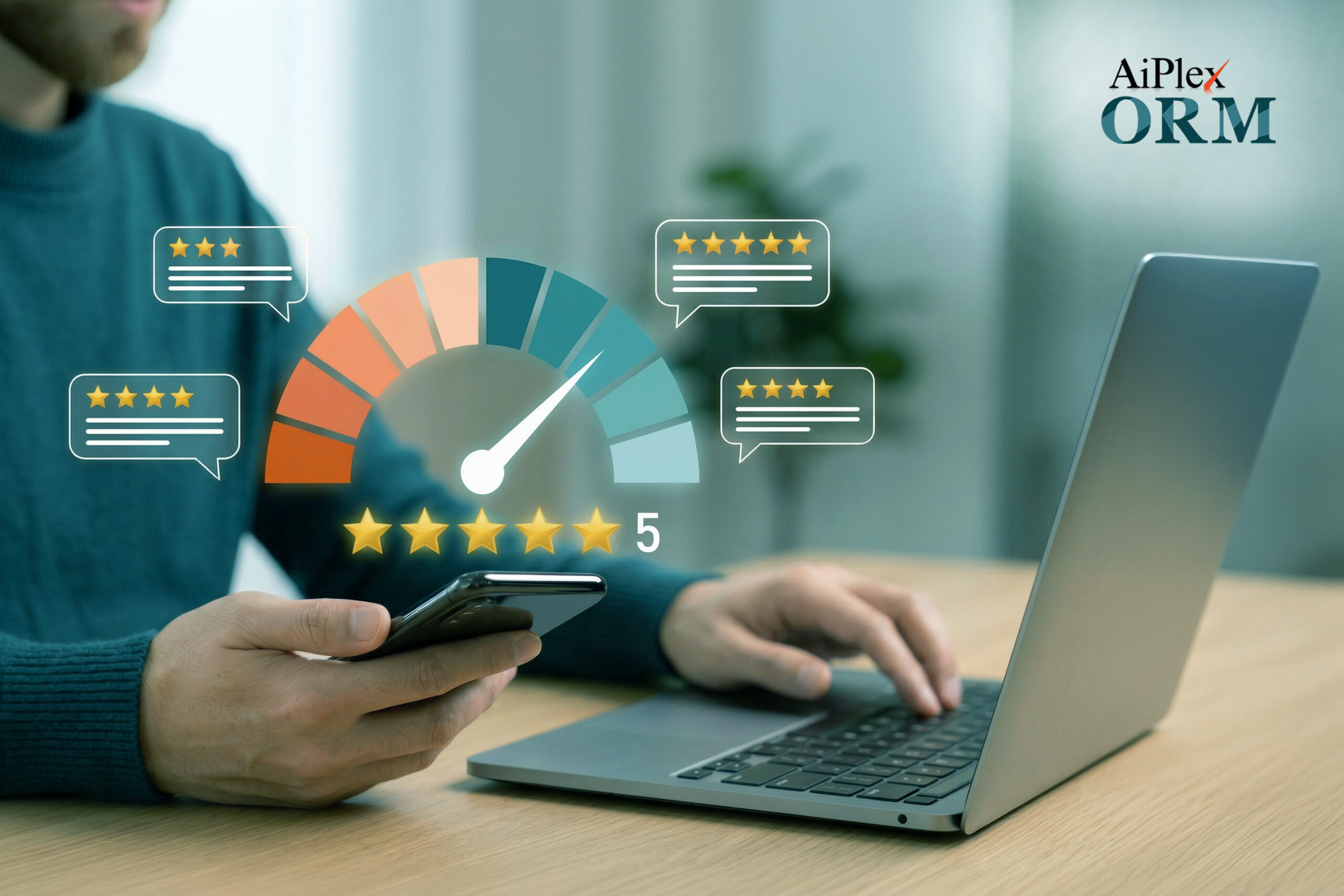
    Brands are no longer evaluated only through their products or services; they are judged continuously through public feedback that lives across platforms. When potential customers search for a company, they rarely start with the official website. Instead, they encounter star ratings, written reviews, and aggregated opinions that immediately influence perception. This is where Brand Rating Improvement becomes a measurable business priority rather than a vague marketing goal. Decision-makers often realize this when they notice strong offerings failing to convert, simply because online sentiment does not reflect actual value. Understanding how reviews shape trust is the first step toward building authority and credibility at scale.

    This blog provides structured, information-focused insights into how review management directly supports Brand Rating Improvement. It explains the factors that influence ratings, the platforms that matter, and the processes required to manage reviews systematically. Rather than offering quick fixes, the sections below break down review management as an operational discipline tied to visibility, conversion, and long-term reputation. Readers will gain clarity on what to track, how to respond, and where automation and intelligence can add value. For businesses seeking sustainable rating growth, exploring professional review management solutions from Aiplex ORM can help translate insights into consistent outcomes.

    Key Factors to Understand Before Focusing on Brand Rating Improvement

    Before implementing review management strategies, it is important to understand the foundational elements that influence brand ratings. These factors determine why ratings fluctuate, how customers interpret them, and what signals platforms prioritize. Without this context, even active review responses may fail to improve perception. The following aspects explain the mechanics behind ratings and their broader business implications.

    The Psychology Behind Online Ratings and Consumer Trust

    Online ratings function as cognitive shortcuts for consumers evaluating unfamiliar brands. When faced with multiple options, users rely on aggregated scores to reduce decision-making effort. This makes brand reputation management closely tied to behavioral psychology rather than just marketing tactics. A higher rating signals reduced risk, while inconsistent or negative feedback increases hesitation, even if complaints are minor. Understanding this psychological dependence helps businesses approach reviews strategically instead of defensively.

    Trust formation through reviews is cumulative rather than transactional. A single positive or negative review rarely defines perception, but patterns do. Consistency in ratings, tone, and responsiveness communicates reliability. When customers see a brand engaging transparently with feedback, trust deepens regardless of occasional criticism. This insight reinforces why review monitoring and structured responses are critical components of effective Brand Rating Improvement.

    How Review Platforms Influence Brand Visibility

    Different review platforms operate with distinct algorithms that directly affect brand exposure. Google Business Profiles, industry-specific directories, and social platforms each weigh ratings, review velocity, and response behavior differently. This means review optimization is also a visibility strategy. Brands with higher ratings and recent activity are more likely to appear in local packs, recommendation feeds, and search results.

    Visibility driven by reviews extends beyond discovery into credibility reinforcement. When potential customers encounter consistent ratings across platforms, brand perception strengthens. Conversely, unmanaged platforms with outdated or unanswered reviews weaken authority. Understanding platform mechanics allows businesses to prioritize efforts where impact on Brand Rating Improvement and reach is highest.

    The Role of Review Volume Versus Review Quality

    Many businesses focus heavily on increasing the number of reviews, assuming volume alone improves ratings. While review quantity does matter for credibility signals, quality and relevance carry equal weight. Platforms increasingly assess review authenticity, detail, and recency to determine trustworthiness. Short, generic reviews add less value than detailed feedback that reflects real experiences.

    Quality reviews also influence how future customers interpret ratings. A four-star rating supported by thoughtful explanations often converts better than a higher score with vague comments. For Brand Rating Improvement, this means encouraging meaningful reviews and addressing concerns constructively rather than chasing numbers alone.

    Impact of Negative Reviews on Long-Term Brand Perception

    Negative reviews are often perceived as threats, but they also present opportunities for credibility building. Customers tend to distrust brands with only perfect ratings, viewing them as unrealistic or manipulated. A balanced review profile with professional responses demonstrates transparency and accountability. The key factor is not the presence of criticism, but how it is managed.

    Over time, unresolved negative reviews compound damage by signaling neglect. However, timely and respectful responses can neutralize dissatisfaction and even reverse sentiment. Understanding this dynamic allows businesses to integrate negative feedback into Brand Rating Improvement strategies rather than attempting to suppress it.

    Importance of Consistency Across Review Touchpoints

    Brand perception is shaped across multiple digital touchpoints simultaneously. Inconsistent ratings or messaging between platforms create confusion and erode trust. Review management must therefore be centralized and aligned with brand voice guidelines. This ensures responses reflect the same professionalism regardless of channel.

    Consistency also supports operational efficiency. When teams follow standardized review response frameworks, engagement becomes faster and more coherent. For businesses scaling their presence, this alignment is essential for maintaining steady Brand Rating Improvement without diluting brand identity.

    Core Components of Effective Review Management for Brand Rating Improvement

    Review management is not a single activity but a system of interconnected practices. Each component contributes to maintaining accuracy, responsiveness, and insight generation. Understanding these components helps businesses build a repeatable framework rather than relying on reactive engagement.

    Review Monitoring and Real-Time Tracking

    Effective review management begins with comprehensive monitoring across all relevant platforms. This includes major search engines, social networks, and niche industry directories. Without centralized tracking, reviews can be missed, leading to delayed responses and reputational gaps. Real-time alerts allow teams to address feedback promptly before issues escalate.

    Monitoring also provides trend visibility. Patterns in complaints or praise highlight operational strengths and weaknesses. For Brand Rating Improvement, this intelligence transforms reviews from passive feedback into actionable data that informs service enhancements and communication strategies.

    Structured and Professional Review Responses

    Responding to reviews requires more than polite acknowledgments. Responses should follow a structured approach that reflects brand tone, addresses specific concerns, and demonstrates accountability. Generic replies reduce credibility and may frustrate reviewers. Personalized engagement, on the other hand, signals attentiveness and respect.

    Professional responses also influence silent observers. Most readers evaluate how brands handle criticism rather than the criticism itself. Consistent, thoughtful replies reinforce trust and contribute directly to Brand Rating Improvement by shaping public perception beyond individual interactions.

    Review Generation and Ethical Feedback Collection

    Generating new reviews is essential for maintaining relevance and recency. However, ethical practices must guide collection efforts. Encouraging feedback through post-purchase communication or service follow-ups ensures authenticity. Incentivizing reviews inappropriately or filtering feedback can lead to platform penalties and trust erosion.

    A steady inflow of genuine reviews supports rating stability. It balances occasional negative experiences and reflects current performance accurately. Ethical review generation thus becomes a sustainable pillar of Brand Rating Improvement rather than a short-term boost tactic.

    Sentiment Analysis and Review Insights

    Beyond star ratings, the language used in reviews reveals deeper sentiment. Sentiment analysis tools categorize feedback into themes such as service quality, responsiveness, or pricing. This enables businesses to quantify qualitative data and prioritize improvements systematically.

    Insights derived from sentiment trends support strategic decision-making. When aligned with Brand Rating Improvement goals, these insights guide resource allocation, training initiatives, and messaging adjustments that address root causes rather than surface symptoms.

    Automation and Scalability in Review Management

    As review volume grows, manual management becomes unsustainable. Automation tools streamline monitoring, response templates, and reporting without sacrificing personalization. This scalability ensures consistent engagement even during peak periods.

    Automation also reduces response time, a key factor in customer satisfaction. Faster engagement demonstrates attentiveness and professionalism, reinforcing trust. For organizations focused on long-term Brand Rating Improvement, scalable systems are essential for maintaining standards as visibility increases.

    Why Structured Review Management Supports Brand Rating Improvement

    Review management directly influences how brands are perceived, discovered, and trusted. When approached systematically, it aligns operational performance with public sentiment. The following points explain why structured review practices are integral to sustainable rating growth.

    First, structured review management ensures that no feedback goes unnoticed. This completeness prevents small issues from becoming recurring themes that damage ratings. Second, it standardizes responses, reinforcing brand voice and professionalism. Third, it converts reviews into insights that inform continuous improvement. Together, these outcomes create a feedback loop that supports consistent Brand Rating Improvement rather than sporadic reputation repair.

    Why Choose Aiplex ORM for Review Management Services

    Aiplex ORM specializes in delivering structured, data-driven review management solutions tailored to business objectives. Rather than treating reviews as isolated interactions, the platform integrates monitoring, sentiment analysis, and response workflows into a unified system. This approach enables brands to maintain visibility, responsiveness, and insight clarity across channels.

    With a focus on automation balanced by strategic oversight, Aiplex ORM helps businesses scale their Brand Rating Improvement efforts without losing authenticity. The service emphasizes ethical review generation, platform compliance, and actionable reporting, ensuring long-term reputation stability. For organizations seeking measurable improvements in ratings and perception, partnering with Aiplex ORM provides both operational efficiency and strategic direction.

    Conclusion

    Brand ratings have become a decisive factor in how businesses are evaluated and chosen. Review management, when approached as a structured discipline, offers a reliable path to improving these ratings over time. By understanding the psychology of reviews, platform dynamics, and the importance of consistency, businesses can move beyond reactive engagement toward proactive reputation building.

    Sustainable Brand Rating Improvement depends on systems that monitor, respond, analyze, and scale effectively. With the right framework and professional support, reviews transform from unmanaged opinions into strategic assets. Businesses that invest in structured review management position themselves for stronger trust, visibility, and long-term growth.