Tag: Reputation Management

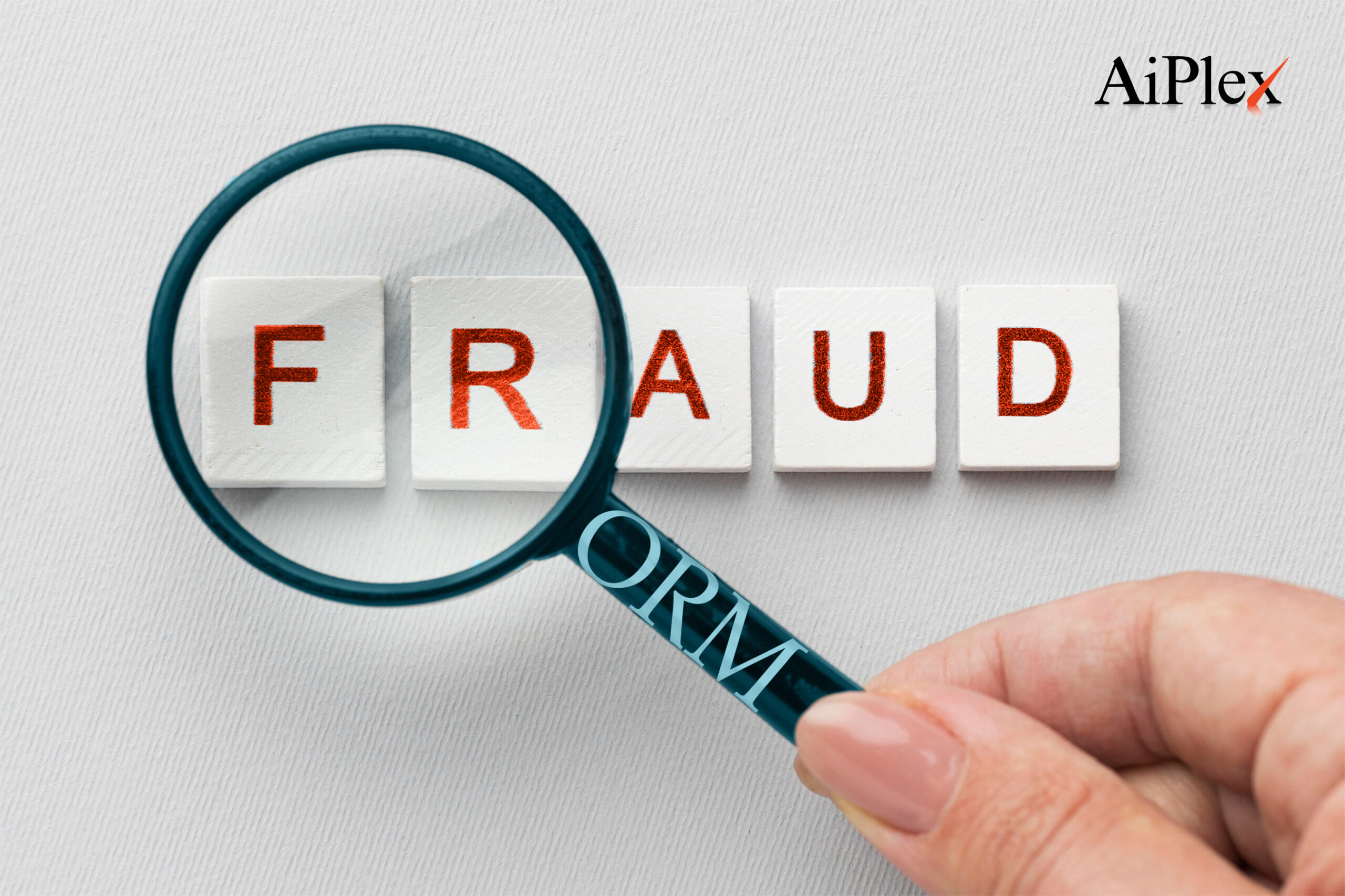
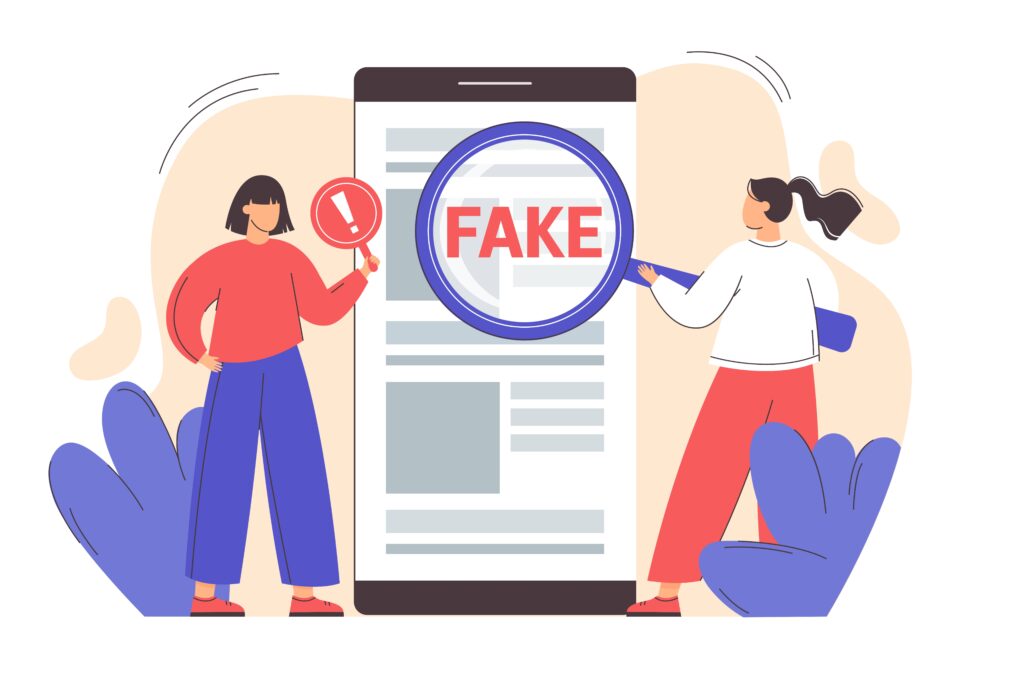
  • How to Identify Fake Websites: A Comprehensive Guide

    How to Identify Fake Websites: A Comprehensive Guide

    Fake Websites-All Too Many

    A simple search on Google of your brand might surprise you.  It is very likely that fake websites crowd the search results. The proliferation of fake websites is a significant concern.

    Malicious Intent

    These websites are created for misleading unsuspecting customers, selling counterfeit products, phishing attacks, spreading malware, stealing personal information, etc.

    Identifying Bad Players

    Given this situation, it is very important for you to stay on guard and ensure that you are engaging with official or authorized websites.

    Let us explore various signs and indicators to help you distinguish between legit/authorized and fake websites.

    Check the URLs:

    • One of the most distinguishable signs of a fake website is the dubious URL.
    • A legit website would typically have a clear and concise domain name that reflects the business or organization.
    • On the contrary, fake websites often use misspelled or slightly altered variations of popular domains to trick users. For instance, instead of “paypal.com,” a fake website might use “paypall.com.”
    • Users should always double-check the URL for any such discrepancies before entering personal information.

    Poor Design Quality, Creatives, and Layout:

    • Legit websites invest a great deal of time and resources in creating a professional website.
    • Fake websites; however, often lack this attention to detail.
    • Poor design, mismatched colour schemes, low-quality creatives and graphics are common indicators of a fake website and a potential scam.

    Grammatical Errors & Poor Language:

    • A good business takes pride in its online presence and ensures that the content is well‑written and free of grammatical errors.
    • Fake websites, on the other hand, may have poorly written content, spelling and grammatical errors. These are definite red flags.

    Contact Information:

    • A legit website provides clear and accessible contact information, including a physical address, phone number, and email address.
    • Fake websites often hide or omit this information to avoid detection.
    • Thoroughly check for contact details and verify their authenticity before engaging with any website.

    Too Good to Be True Offers:

    • Scammers often use enticing offers to lure users into providing sensitive information.
    • If the deals or discounts seem too good to be true, it is an indicator of a fake website.
    • A simple online search could help you confirm the legitimacy of such offers.
    What Should Brands Do About Fake Websites

    What Should Brands Do About Fake Websites?

    Just bring them down; but how!

    Report them to Authorities:

    • Report the fake websites to relevant authorities, such as law enforcement agencies, cybercrime units, or consumer protection agencies.
    • Provide complete and detailed information about the website, the URL, its purpose, and any evidence of fraudulent activity including screenshots and customer complaints.

    Reach out to the Hosting Provider:

    • Identify the hosting provider of the fake website and report these websites.
    • Most hosting providers have protocols in place to investigate and take down websites involved in fraudulent activities.

    Report to Search Engines:

    • Report these websites to all major search engines; Google, Bing, etc.
    • These search engines can deindex the site and reduce its discoverability. This will prevent unsuspecting customers from falling prey to such fraudulent websites.

    Engage Brand Rights Enforcement Agencies:

    • Tie up with ORM companies, who have the right brand rights enforcement expertise, to delete fake websites.
    • Conceptualize and implement strategies to suppress the fake website’s presence in search results.

    Social Listening and Public Awareness:

    • Leverage social listening tools to monitor and detect fake websites.
    • Run customer-awareness campaigns about your official websites and customer support channels. Educate customers on means of identifying fraudulent fake websites and being on guard.

    Conclusion

    Fake websites are here to stay and will try and exploit unsuspecting customers. By being vigilant and on guard, customers can protect themselves from becoming victims.

    Brands and businesses should take proactive measures to take down fake websites and protect their brand reputation. Entrusting it to a brand rights enforcement company with the wherewithal and validated capability is your best.

  • Fake Websites and Their Devastating Impact on Brands

    Fake Websites and Their Devastating Impact on Brands

    While consumers have, over the years, got used to navigating seamlessly through websites to make purchases, connect with brands and seek information; unbeknownst to them a sinister threat looms – fake websites.

    These deceptive websites pose a significant danger to businesses, leading to lost leads, plummeting sales, and a tarnished brand reputation.

    Here, we will discuss the consequences brands face and explore solutions to mitigate this existential danger.

    Customers Duped by Imposter Sites

    Imagine this scenario: A customer excitedly clicks on what he or she believes to be the official website of their favourite brand, ready to explore products or services and make a purchase. Little do they know, they have fallen into the trap of a fake website, meticulously designed to mimic the real thing. The consequences are immediate and severe.

    The Consequences:

    Vanishing Leads

    The first casualty of fake websites is the loss of leads. Potential customers find themselves on a fraudulent platform designed to mislead and defraud them. As a result, brand loses its credibility and this impacts sales.

    Eroding Trust

    Even more damaging is the erosion of trust customers have in the brand. Customers who become victims of fake websites not only lose faith in your brand’s online presence but in general also become wary of engaging with any online platform. The once-solid foundation of trust is shattered.

    Multiple Ramifications:

    The ripple effect of fake websites extends much beyond immediate revenue losses. The long-term damage to a brand’s customer relationships. The customers get frustrated and feel deceived.

    The brand could end up facing legal challenges arising from the unauthorized use of their brand identity.

    Disenchanted customers, negative online reviews, and a diminished online presence are other consequential damages.

    Fighting Fake Websites

    Fighting Fakes

    Proactive Monitoring

    Ears to the ground.  Brands must deploy social listening tools and other strategies to continuously scan the digital landscape for unauthorized use of their logos, trademarks, wordmarks, copyrighted content, and brand imagery. Early detection is the key.

    Nipping the Problem in the Bud

    Put in a process or onboard a reputed Brand Rights Enforcement company to bring down these fake websites promptly, minimizing the potential damage to the brand. This will send a clear message to the fraudsters that such actions will not be tolerated.

    Building & Consolidate Your Online Identity

    A clear and consistent online brand identity is a must-have. By establishing a strong online presence and maintaining consistent messaging across all digital channels, you can reduce the likelihood of customers falling prey to imposter sites. Educating consumers about identifying fake websites will go a long way too.

    Safeguarding Your Brand Online

    Given the pervasiveness of fake websites, brands must do whatever it takes to protect their online presence. Fake websites not only result in lost revenues, legal consequences, and customer frustration but also irreparable reputational damage.

    Proactive monitoring, a process for swift takedown of fake websites, consistent and clear online brand identity, and raising awareness are the needs of the hour.

    If you find this whole thing overwhelming and would rather focus on building a great business, we at AiPlex have been doing this for ages.  Read more here and partner with us.

  • Reputation Management 101

    Reputation Management 101

    [et_pb_section fb_built=”1″ admin_label=”section” _builder_version=”4.17.0″ custom_margin=”0px||0px||false|false” custom_padding=”0px||0px||false|false” global_colors_info=”{}”][et_pb_row admin_label=”row” _builder_version=”4.17.0″ background_size=”initial” background_position=”top_left” background_repeat=”repeat” width=”100%” custom_margin=”||||false|false” custom_padding=”0px||0px||false|false” global_colors_info=”{}”][et_pb_column type=”4_4″ _builder_version=”4.16″ custom_padding=”|||” global_colors_info=”{}” custom_padding__hover=”|||”][et_pb_text _builder_version=”4.17.0″ _module_preset=”default” global_colors_info=”{}”]

    “When it comes to online reputation, an ounce of prevention is worth a pound of cure.”

    Ever felt like you’re juggling a hundred things while running your business? Amid this whirlwind, there’s something you might easily overlook – your online reputation. It’s a common myth to think online reputation management (ORM) only matters during PR crises. But here’s the truth: ORM is a vital, day-to-day necessity.

    ORM is crucial for shaping how potential customers perceive you or your business.

    As Warren Buffett aptly puts it, “It takes 20 years to build a reputation and five minutes to ruin it.” So, let’s ensure those five minutes never happen!

    [/et_pb_text][et_pb_text _builder_version=”4.17.0″ _module_preset=”default” global_colors_info=”{}”]

    Top 5 Reputation Management Mistakes

    Now, let’s dive into the top 5 ORM mistakes people make, and more importantly, how to avoid them.

    [/et_pb_text][/et_pb_column][/et_pb_row][et_pb_row column_structure=”1_2,1_2″ _builder_version=”4.17.0″ _module_preset=”default” width=”100%” custom_margin=”||||false|false” custom_padding=”0px||0px||false|false” collapsed=”on” global_colors_info=”{}”][et_pb_column type=”1_2″ _builder_version=”4.17.0″ _module_preset=”default” global_colors_info=”{}”][et_pb_text _builder_version=”4.17.0″ _module_preset=”default” custom_margin=”0px||||false|false” custom_padding=”0px||||false|false” global_colors_info=”{}”]

    Reputation Misstep #1: Fabricating Fake Online Reviews

    • The Value of Reviews: Online reviews are the modern word-of-mouth and play a vital role in business reputation.
    • Temptation Strikes: The pressure for positive reviews sometimes tempts businesses to consider writing fake ones.
    • The Pitfalls of Fakes: Creating fake online reviews is a dangerous shortcut. It not only damages credibility but can also lead to expulsion from review platforms.
    • Slow and Steady: Online reputation management calls for a patient approach. Genuine reviews are the real treasure, and the risks of faking them outweigh the benefits.

        [/et_pb_text][/et_pb_column][et_pb_column type=”1_2″ _builder_version=”4.17.0″ _module_preset=”default” global_colors_info=”{}”][et_pb_text _builder_version=”4.17.0″ _module_preset=”default” custom_margin=”0px||||false|false” custom_padding=”0px||||false|false” global_colors_info=”{}”]

        Reputation Misstep #2: Hoping for Online Reviews to Magically Appear

        • Crowd Attractors: Just like pastries, puppies, and public proposals, online reviews don’t naturally gather on your profile.
        • Waiting Isn’t Enough: Waiting for reviews to spontaneously appear can lead to disappointment. Successful businesses actively work to earn them.
        • Don’t Leave It to Chance: Reputation management shouldn’t rely on luck. Proactive strategies can significantly boost your online review count.
        • Proven Tactics: Effective methods include post-purchase emails, review management tools, physical location signage, adding review requests to receipts, and providing direct review platform links on your website and email signature.
        • Accumulate Over Time: These efforts, over time, will help you gather the valuable online reviews you desire.

          [/et_pb_text][/et_pb_column][/et_pb_row][et_pb_row _builder_version=”4.17.0″ _module_preset=”default” width=”100%” custom_margin=”||||false|false” custom_padding=”0px||0px||false|false” collapsed=”on” global_colors_info=”{}”][et_pb_column type=”4_4″ _builder_version=”4.17.0″ _module_preset=”default” global_colors_info=”{}”][et_pb_text _builder_version=”4.17.0″ _module_preset=”default” global_colors_info=”{}”]

          Reputation Misstep #3: Engaging in Pushback or Sarcasm

          • Suspect Reviews: Occasionally, your business might come across a questionable review. It could contain impossible details or personal attacks against your business that violate platform guidelines.
          • Emotion and Reaction: It’s easy to get emotional in such situations, and you might be tempted to craft a witty or sarcastic response. However, pause before hitting that “send” button.
          • Public Stage: Keep in mind that your responses are visible to all potential customers. Engaging in a public argument will usually cause more harm than good to your reputation.
          • Reporting Tools: Fortunately, most online review platforms offer a way to report fraudulent or abusive reviews. For instance, Google allows you to flag suspicious reviews. If the platform agrees with your report, the review will be removed.

              [/et_pb_text][/et_pb_column][/et_pb_row][et_pb_row column_structure=”1_2,1_2″ _builder_version=”4.17.0″ _module_preset=”default” width=”100%” custom_margin=”||||false|false” custom_padding=”0px||0px||false|false” collapsed=”on” global_colors_info=”{}”][et_pb_column type=”1_2″ _builder_version=”4.17.0″ _module_preset=”default” global_colors_info=”{}”][et_pb_text _builder_version=”4.17.0″ _module_preset=”default” custom_margin=”0px||||false|false” custom_padding=”0px||||false|false” global_colors_info=”{}”]

              Reputation Misstep #4: Neglecting Online Reviews

              • Missing Out on Rewards: Some businesses disregard online reviews due to the complexities involved. Managing them can be time-consuming.
              • The Unseen Benefits: Ignoring online reviews means missing out on substantial advantages. Paying attention to them offers benefits such as:
                • Honest Feedback: Receive genuine insights about your products and services.
                • Customer Relationships: Forge deeper connections with loyal customers through feedback engagement.
                • Testimonial Goldmine: Access user-generated testimonials for your social media and website.
                • Search Ranking Boost: Enjoy improved search engine rankings with active review management.
                • Local Visibility: Appear in local search results, attracting nearby customers.
                • New Business: Positive reviews can win over new customers who trust the experiences of others.
              • Responding Matters: Alongside monitoring, responding to reviews is crucial. Negative reviews can be turned around through dedicated customer service efforts, leaving a positive impression on customers.

                  [/et_pb_text][/et_pb_column][et_pb_column type=”1_2″ _builder_version=”4.17.0″ _module_preset=”default” global_colors_info=”{}”][et_pb_text _builder_version=”4.17.0″ _module_preset=”default” custom_margin=”0px||||false|false” custom_padding=”0px||||false|false” global_colors_info=”{}”]

                  Reputation Misstep #5: The Branding Blunder:

                  • Variations in Elements: Inconsistent branding means using different versions of key branding elements. This includes variations in your business name, logos, slogans, color schemes, tone of voice, values, and personality.

                  Confusion and Alienation:

                  • Recognition Challenges: When branding elements differ across platforms, customers may struggle to recognize your brand. This can lead to confusion and make it hard for customers to identify your products or services.
                  • Trust Issues: If your branding isn’t consistent, it can cast doubt on the authenticity of your business. Customers might question whether they are dealing with the same brand they initially engaged with.

                  The Solution:

                  • Keep Visuals Uniform: Use the same logos, colors, fonts, and images across your website, social media, ads, and emails.
                  • Stay on Message: Maintain a consistent tone, style, and language in your blog, comments, and reviews.
                  • Message Alignment: Ensure your value proposition and mission statements convey the same core ideas everywhere. This builds trust and clarity in your brand.

                    [/et_pb_text][/et_pb_column][/et_pb_row][et_pb_row _builder_version=”4.17.0″ _module_preset=”default” width=”100%” custom_margin=”||||false|false” custom_padding=”0px||0px||false|false” collapsed=”on” global_colors_info=”{}”][et_pb_column type=”4_4″ _builder_version=”4.17.0″ _module_preset=”default” global_colors_info=”{}”][et_pb_text _builder_version=”4.17.0″ _module_preset=”default” global_colors_info=”{}”]

                    Final Thoughts:

                    Don’t let these reputation blunders cast a shadow over your business. By steering clear of these common pitfalls, you’re not just safeguarding your brand; you’re setting the stage for growth and success.

                    At Aiplex, we’re your go-to experts when it comes to managing your digital reputation. Our primary goal is to offer you a complete package of online audit, repair, and monitoring solutions, which are crucial components of a strong and successful ORM strategy. We’re here to help you protect and shape your online presence effectively.

                    Ready to take control of your online reputation? Reach out to us today to schedule a free consultation with our ORM experts.

                    [/et_pb_text][/et_pb_column][/et_pb_row][/et_pb_section]

                  • Reputation Management for Schools

                    Reputation Management for Schools

                    [et_pb_section fb_built=”1″ admin_label=”section” _builder_version=”4.17.0″ custom_margin=”0px||0px||false|false” custom_padding=”0px||0px||false|false” global_colors_info=”{}”][et_pb_row admin_label=”row” _builder_version=”4.17.0″ background_size=”initial” background_position=”top_left” background_repeat=”repeat” width=”100%” custom_margin=”||||false|false” custom_padding=”0px||0px||false|false” global_colors_info=”{}”][et_pb_column type=”4_4″ _builder_version=”4.16″ custom_padding=”|||” global_colors_info=”{}” custom_padding__hover=”|||”][et_pb_text _builder_version=”4.17.0″ _module_preset=”default” global_colors_info=”{}”]

                    “A school’s virtual doors open long before its physical ones”

                    While making any big decisions, we all do our research. We Google the best products, read reviews, and get recommendations from friends and family. The same is true when parents are choosing a school for their kids.

                    When it comes to choosing a school, the initial interaction isn’t the captivating campus tour or the vibrant classrooms. Instead, it’s an online journey, a deep dive into the world of school options, all conducted through Google’s lens.

                    So, the big question is: How can you ensure that your school’s online reputation is not just good but great? We will explore the importance of reputation management for schools in this blog.

                    A school’s reputation isn’t just built within its walls but online

                    [/et_pb_text][et_pb_text _builder_version=”4.17.0″ _module_preset=”default” global_colors_info=”{}”]

                    Why Online Reputation Management is Important for Schools:  

                    • Attract Top Talent:
                      • A strong online reputation aids in recruiting top-notch teachers and staff. Educators are drawn to schools with a positive image. This enhances the quality of education your school imparts.
                      • Additionally, academically inclined students choose such schools, further enriching the educational environment.


                      Earn Trust:

                      • When parents and students research schools online, a positive online presence fosters trust.
                      • Schools with a reliable and credible online image are more likely to be chosen by families seeking quality education.


                      Competitive Edge:

                      • A positive online reputation does not just draw local students but might attract students from different towns and cities.
                      • This gives schools a competitive advantage in a global educational landscape.

                    [/et_pb_text][/et_pb_column][/et_pb_row][et_pb_row _builder_version=”4.17.0″ _module_preset=”default” width=”100%” custom_margin=”||||false|false” custom_padding=”0px||0px||false|false” collapsed=”on” global_colors_info=”{}”][et_pb_column type=”4_4″ _builder_version=”4.17.0″ _module_preset=”default” global_colors_info=”{}”][et_pb_text _builder_version=”4.17.0″ _module_preset=”default” global_colors_info=”{}”]

                    What Goes into a School’s Online Reputation?

                    Here are some key points to consider:

                    • Search engine optimization (SEO) is crucial to ensure that your authorized/official digital assets show up at the top of search results.
                    • Posting keyword-centric optimized articles, blogs, and press releases.
                    • Encouraging positive reviews, responding to negative reviews, and engaging with your target audience on social media can help improve your school’s image.
                    • A sizable, multi-layered online reputation management (ORM) campaign is often needed to improve your school’s image.

                    Effective Reputation Management Strategies:

                        [/et_pb_text][/et_pb_column][/et_pb_row][et_pb_row column_structure=”1_2,1_2″ _builder_version=”4.17.0″ _module_preset=”default” width=”100%” custom_margin=”||||false|false” custom_padding=”0px||0px||false|false” collapsed=”on” global_colors_info=”{}”][et_pb_column type=”1_2″ _builder_version=”4.17.0″ _module_preset=”default” global_colors_info=”{}”][et_pb_text _builder_version=”4.17.0″ _module_preset=”default” custom_margin=”0px||||false|false” custom_padding=”0px||||false|false” global_colors_info=”{}”]

                        • Online Presence Monitoring: Regularly check your online presence, encompassing social media, review platforms, and news articles to swiftly address negative feedback, if any.
                        • Responding to Customer Feedback: Professionally and empathetically respond to both positive and negative customer feedback, offer solutions to concerns.
                        • Encouraging Positive Reviews: Nudge satisfied customers to share their positive experiences on your website, social media, and review sites.
                        • Handling Negative Reviews: Address negative reviews promptly, take responsibility, apologize, and provide resolutions.
                        • Building Strong Online Presence: Create and share valuable content like blogs, infographics, and videos to establish authority and positive brand associations.

                            [/et_pb_text][/et_pb_column][et_pb_column type=”1_2″ _builder_version=”4.17.0″ _module_preset=”default” global_colors_info=”{}”][et_pb_text _builder_version=”4.17.0″ _module_preset=”default” custom_margin=”0px||||false|false” custom_padding=”0px||||false|false” global_colors_info=”{}”]

                            • Search Engine Optimization (SEO): Optimize your online properties to improve search engine visibility and control your online content.
                            • Competitor Monitoring: Keep an eye on competitors to identify areas for improvement and stay ahead of your competitors.
                            • Using the Press: Use press releases to address any negative news or controversies. For instance, if there is a faculty-related issue, publish a press release highlighting new, rigorous background-check procedures to ensure the best hiring practices.
                            • Blogs and Articles: Create optimized blogs and articles on your school’s website. These positive pieces will rank higher in search results.
                            • Engaging on Social Media: Actively engage with your school community on social media. Provide a platform for parents, students, and teachers to address concerns privately, reducing the chances of them airing their grievances in public forums.

                              [/et_pb_text][/et_pb_column][/et_pb_row][et_pb_row _builder_version=”4.17.0″ _module_preset=”default” width=”100%” custom_margin=”||||false|false” custom_padding=”0px||0px||false|false” collapsed=”on” global_colors_info=”{}”][et_pb_column type=”4_4″ _builder_version=”4.17.0″ _module_preset=”default” global_colors_info=”{}”][et_pb_text _builder_version=”4.17.0″ _module_preset=”default” global_colors_info=”{}”]

                              Conclusion:

                              As parents, students, teachers, investors, and other stakeholders invariably research you online before engaging with you, your online reputation MATTERS.

                              We discussed the WHY, WHAT, and HOW of online reputation management.  However, given the complexity of the task and many moving parts of this jigsaw called “ORM,” a professional ORM with validated expertise in the ORM space is your best bet.

                              AiPlex has been taking care of the online reputation management of the biggest EdTech, Fintech, and education-abroad consultants in India or abroad.

                              Get in touch with us, we will propose a customized ORM solution just for you.

                              [/et_pb_text][/et_pb_column][/et_pb_row][/et_pb_section]

                            • Email Marketing and Reputation Management

                              Email Marketing and Reputation Management

                              [et_pb_section fb_built=”1″ admin_label=”section” _builder_version=”4.17.0″ custom_margin=”0px||0px||false|false” custom_padding=”0px||0px||false|false” global_colors_info=”{}”][et_pb_row admin_label=”row” _builder_version=”4.17.0″ background_size=”initial” background_position=”top_left” background_repeat=”repeat” width=”100%” custom_margin=”||||false|false” custom_padding=”0px||0px||false|false” global_colors_info=”{}”][et_pb_column type=”4_4″ _builder_version=”4.16″ custom_padding=”|||” global_colors_info=”{}” custom_padding__hover=”|||”][et_pb_text _builder_version=”4.17.0″ _module_preset=”default” global_colors_info=”{}”]

                              “Using the Power of Emails to Improve Online Reputation”

                              Online reputation is the cornerstone of any business; offline or online. It reflects the trust and credibility your brand enjoys in the online space.   Therefore, ORM must be right on top of your marketing strategy.

                              Will it surprise you if I said email marketing could help you improve your online reputation?

                              YES, email marketing can work wonders.  When wielded correctly, it can be a potent tool to bolster your online reputation. Research has consistently demonstrated that email marketing boasts a remarkable return on investment (ROI). It’s a channel that not only connects with your audience but also builds enduring relationships that spawn customer loyalty.

                              This guide isn’t just about the how’s and whys of email marketing; it’s your key to understanding the symbiotic relationship between email marketing and online reputation management.

                              [/et_pb_text][et_pb_text _builder_version=”4.17.0″ _module_preset=”default” global_colors_info=”{}”]

                              “A well-crafted email is more than a message.”

                              What is email marketing? 

                              • Email marketing is a digital marketing method centred on sending targeted emails to a list of subscribers.
                              • Its core objectives are to cultivate customer relationships, promote products, boost brand visibility, and drive sales.
                              • It enables direct, personalized, and relevant communication with your intended audience.
                              • It’s cost-effective, trackable, and yields valuable data for assessing campaign effectiveness.

                              “Email marketing: Cost-effective, trackable, and results-driven.”

                              Let us unroll the potential of email marketing in improving your online reputation.

                              [/et_pb_text][/et_pb_column][/et_pb_row][et_pb_row column_structure=”1_2,1_2″ _builder_version=”4.17.0″ _module_preset=”default” width=”100%” custom_margin=”||||false|false” custom_padding=”0px||0px||false|false” global_colors_info=”{}”][et_pb_column type=”1_2″ _builder_version=”4.17.0″ _module_preset=”default” global_colors_info=”{}”][et_pb_text _builder_version=”4.17.0″ _module_preset=”default” custom_margin=”0px||||false|false” custom_padding=”0px||||false|false” global_colors_info=”{}”]

                              Building a Strong Email List for Reputation Growth:

                              • Quality Subscribers: Start by acquiring genuine, interested subscribers who value your content.
                              • Segmentation and Personalization: Customize your messages for each subscriber based on their interests, creating more meaningful connections.
                              • List Hygiene: Keep your email list accurate and up-to-date by regularly cleaning out inactive or irrelevant addresses. This ensures your messages reach an engaged audience.
                              • Meaningful Content: Retain subscribers by consistently delivering valuable and relevant content that keeps them engaged and eager for more.

                              Acquiring Quality Subscribers:

                              • Engaging Content: Create content that is interesting, informative, and relevant to your target audience. Your subscribers should eagerly look forward for your emails.
                              • Targeted Methods: Develop an email list using targeted methods like paid ads, social media campaigns, and referrals.
                              • Right Audience: Ensure you are reaching the right audience for your business, which leads to increased engagement and higher conversion rates.

                                  [/et_pb_text][/et_pb_column][et_pb_column type=”1_2″ _builder_version=”4.17.0″ _module_preset=”default” global_colors_info=”{}”][et_pb_text _builder_version=”4.17.0″ _module_preset=”default” custom_margin=”0px||||false|false” custom_padding=”0px||||false|false” global_colors_info=”{}”]

                                  Segmentation and Personalization Strategies:

                                  • Subscriber Categories: Group subscribers based on their interests and needs.
                                  • Engagement Focus: Craft content and messages directed at each category, ensuring it’s highly relevant.
                                  • Individual Touch: Personalize emails with the recipient’s name and include information aligned with their specific interests.
                                  • Strengthen Relationships: Build a win-win relationship between subscribers and the brand. This will lead to higher customer loyalty and satisfaction.
                                  • Reduce Unsubscribes: Analyse data on un-subscription; figure out what is working and what is not. Create and share content that resonates with the interests of your target audience to reduce un-subscription rates.

                                  Send Regular Updates and Valuable Content:

                                  • Share news, tips, educational resources, and relevant promotions with subscribers.
                                  • Provide valuable information to foster a positive brand perception.

                                  Address Negative Feedback Promptly:

                                  • Respond professionally and promptly to negative feedback received via email.
                                  • Acknowledge mistakes and offer solutions.
                                  • Show commitment to improvement, handling criticism with empathy.

                                    [/et_pb_text][/et_pb_column][/et_pb_row][et_pb_row _builder_version=”4.17.0″ _module_preset=”default” width=”100%” custom_margin=”||||false|false” custom_padding=”0px||0px||false|false” collapsed=”on” global_colors_info=”{}”][et_pb_column type=”4_4″ _builder_version=”4.17.0″ _module_preset=”default” global_colors_info=”{}”][et_pb_text _builder_version=”4.17.0″ _module_preset=”default” global_colors_info=”{}”]

                                    Encourage Positive Reviews and Testimonials:

                                    • Use email calls to action to prompt satisfied customers to leave positive reviews and testimonials. Positive reviews enhance your reputation and counteract any negative feedback.

                                    [/et_pb_text][et_pb_text _builder_version=”4.17.0″ _module_preset=”default” custom_margin=”0px||||false|false” custom_padding=”0px||0px||false|false” locked=”off” global_colors_info=”{}”]

                                    Highlight Your Achievements:

                                    • Showcase brand achievements, awards, and positive news through emails.
                                    • Share customer success stories and community involvement to reinforce a positive brand image.

                                    Manage Online Crises:

                                    • In reputation crises, use email as a transparent communication channel.
                                    • Address issues honestly, outline resolution steps, and reassure subscribers of your commitment.
                                    • Keep email subscribers informed about brand challenges.

                                        [/et_pb_text][et_pb_text _builder_version=”4.17.0″ _module_preset=”default” custom_margin=”0px||||false|false” custom_padding=”0px||||false|false” locked=”off” global_colors_info=”{}”]

                                        Monitor Your Brand’s Online Presence:

                                        • Regularly monitor online mentions using tools like Google Alerts.
                                        • Promptly address negative or inaccurate information through email communication.
                                        • Share your perspective.
                                        • Combat misinformation, fake news, and propaganda against your brand.

                                        Request Feedback and Suggestions:

                                        • Engage with email subscribers by seeking feedback and suggestions.
                                        • Demonstrate that you value their insights and are committed to incorporating them.
                                        • Actively involve and interact with your target audience.

                                        Measure and Adjust Your Strategies:

                                        • Analyse email campaign performance, including open rates, click-through rates, and conversion rates.
                                        • Use feedback and engagement data to refine email marketing strategies for improved reputation management.

                                          [/et_pb_text][/et_pb_column][/et_pb_row][et_pb_row _builder_version=”4.17.0″ _module_preset=”default” width=”100%” custom_margin=”||||false|false” custom_padding=”0px||0px||false|false” collapsed=”on” global_colors_info=”{}”][et_pb_column type=”4_4″ _builder_version=”4.17.0″ _module_preset=”default” global_colors_info=”{}”][et_pb_text _builder_version=”4.17.0″ _module_preset=”default” global_colors_info=”{}”]

                                          Wrapping Up:

                                          With over 4.3 billion email users worldwide, email is your direct hotline to connect with your customers.

                                          And here’s the secret sauce: the more you genuinely help your subscribers, the more they’ll eagerly await your emails.

                                          Email marketing is like having your very own stage. No one else gets to call the shots on when, how, or why you connect with your subscribers. It is your superpower in the world of marketing, and it can be turned into a winner every single time with the right strategies.

                                          You could do this on your own.  However, if you wish that a professional e-mail marketing team does this for you, we at AiPlex are more than willing.  Just drop us a mail, we will get in touch with you.  Yes, email works ?.

                                          “From Inbox to Impact: Improving Online Reputation with Email Marketing”

                                          [/et_pb_text][/et_pb_column][/et_pb_row][/et_pb_section]

                                        • Online Reputation Management (ORM) for Startups

                                          Online Reputation Management (ORM) for Startups

                                          [et_pb_section fb_built=”1″ _builder_version=”4.16″ global_colors_info=”{}”][et_pb_row _builder_version=”4.16″ background_size=”initial” background_position=”top_left” background_repeat=”repeat” global_colors_info=”{}”][et_pb_column type=”4_4″ _builder_version=”4.16″ custom_padding=”|||” global_colors_info=”{}” custom_padding__hover=”|||”][et_pb_text _builder_version=”4.16″ background_size=”initial” background_position=”top_left” background_repeat=”repeat” global_colors_info=”{}”]

                                          “Your brand name is only as good as your reputation.” – Richard Branson.

                                          Reputation and Startups

                                          Startups rightfully focus on creating great products and services.  What if I say they should focus on “great online presence” too, and that is a no-brainer.

                                          Customers invariably research companies and products online before making a purchase decision or engaging with a business.

                                          If a startup has a poor online reputation, customers will have second thoughts about engaging with them.

                                          A good online reputation can help startups establish trust and credibility, acquire new customers, increase sales, differentiate itself from other competitors, etc.

                                          Online reputation management (ORM) for startups begins with capturing and consolidating all brand digital assets including social media accounts, enforcing brand rights, review management, SEO, PR, and many such.

                                          Reputation and Growth

                                          As your startup grows and you begin to receive more attention, it is even more important to maintain a good online reputation. Scaling up poses new challenges with reputation management.

                                          While your customer base increases so does the potential risks to your reputation. A single negative review, a misleading press coverage, a ill-conceived social media or ad campaign could irrefutably damage your reputation.

                                          Given this situation, online reputation management (ORM) must be an integral part of your overall digital marketing strategy.  I would go as far as to say “Startup should focus on their online reputation right from the word go.”

                                          Reputation and Funding

                                          At the end of the day, an investor wants to invest in a startup that can give him great returns.  Investors pay a great deal of attention to the startup’s online reputation when deciding whether to invest or not. Investors invest in businesses that are well-respected and has a good online presence and are seen as reliable and trustworthy businesses.

                                          A good online reputation can go a long way in helping startups to attract investors and secure the funding they need to grow.

                                          Online reputation management for startups is a “must have” to attract investors.

                                          Reputation and Stakeholders

                                          The reputation of the founder, co-founders of a startup is a very important factor in the success of a business. As the face of the company, the co-founders should strive to maintain a positive online presence. Anything that they do in their personal capacity be it in the private space or the public space, will impact the business.  It is very important that they are perceived as credible and trustworthy.  Online reputation management of the startup founders is an art, and should be handled by an ORM agency that knows this domain and can walk the talk.

                                          Online Reputation Management (ORM) for Startups helps build trust with customers, attract new customers, improve sales and revenues, secure funding, build goodwill, grow faster, etc. It also helps founders and co-founders maintain a great online presence.

                                          Who Can Help

                                          While your business is best served while you do what you are fanatically obsessed with, i.e., building a great startup (a unicorn or decacorn), it is always a great idea to sign-up with a validated and capable ORM company such as AiPlex which renders online reputation management services to some of the biggest EdTech, Crypto, Fintech, Room Aggregators, used-car marketplaces, M & E companies in India. Please drop us a line to know more


                                          [/et_pb_text][/et_pb_column][/et_pb_row][/et_pb_section]

                                        • Content Marketing Strategies For a Positive Online Reputation

                                          Content Marketing Strategies For a Positive Online Reputation

                                          [et_pb_section fb_built=”1″ _builder_version=”4.14.4″ _module_preset=”default” global_colors_info=”{}”][et_pb_row _builder_version=”4.14.4″ _module_preset=”default” width=”100%” custom_padding=”0px||0px||true|false” global_colors_info=”{}”][et_pb_column type=”4_4″ _builder_version=”4.14.4″ _module_preset=”default” global_colors_info=”{}”][et_pb_text _builder_version=”4.14.4″ _module_preset=”default” global_colors_info=”{}”]Thanks to the web, anyone can post their opinions about any brand, product, or service anywhere in the online space.  That’s great!  However, a single incorrect, misleading, malicious and negative piece of content online can dent the reputation of the brand; a reputation that has been painstakingly built over the years.

                                          While you can’t control what’s said about your brand online, you can establish credibility and trust in your audience by using appropriate content marketing strategies.
                                          [/et_pb_text][et_pb_text _builder_version=”4.14.4″ _module_preset=”default” custom_margin=”0px||0px||true|false” global_colors_info=”{}”]

                                          3 Content Marketing Strategies to Build a Positive Online Reputation

                                          [/et_pb_text][et_pb_image src=”https://blog.aiplexorm.com/blog/wp-content/uploads/2022/01/Earned-Media.jpg” alt=”Earned Media” title_text=”Earned Media” _builder_version=”4.14.4″ _module_preset=”default” global_colors_info=”{}”][/et_pb_image][et_pb_text _builder_version=”4.14.4″ _module_preset=”default” custom_margin=”5px||5px||true|false” global_colors_info=”{}”]Earned Media: Earned media refers to publicity gained through promotional efforts, press releases, journalists pitches and organically amplified content. It also includes the free coverage that your brand receives from external platforms such as third-party articles, press coverage, blogs and vlogs, industry forums, industry-specific third-party listings such Glassdoor, Trustpilot, etc.

                                          Earned media should be a focus for all businesses as these create a positive outlook and build trust, credibility and connect with your target audience.

                                          How to draft an earned media content?

                                          • Ensure to keep the headline interesting and include the brand name in it
                                          • Mention the most important information and keep it simple and short.
                                          • Include some quotes of the company’s CEO, COO and other authoritative individuals.
                                          • Provide links to content that you want your brand to rank for.

                                          [/et_pb_text][et_pb_image src=”https://blog.aiplexorm.com/blog/wp-content/uploads/2022/01/Paid-Media-scaled.jpg” alt=”Paid Media” title_text=”Paid Media” _builder_version=”4.14.4″ _module_preset=”default” global_colors_info=”{}”][/et_pb_image][et_pb_text _builder_version=”4.14.4″ _module_preset=”default” custom_margin=”5px||5px||false|false” global_colors_info=”{}”]Paid Media: Paid media includes print ads, television commercials, sponsored content, and product releases.  It also includes all your paid activities on channels like Google Ads, social media ads, Facebook sponsored posts, sponsored tweets, Outbrain, or promotions by influencers.   This is an activity that you have full control over and therefore has to be planned very well.

                                          How to draft paid media content?

                                          • Ensure to include your brand name with positive content
                                          • Avoid selling your brand but, educate the audience
                                          • Maintain a consistent brand tonality and image

                                          [/et_pb_text][et_pb_image src=”https://blog.aiplexorm.com/blog/wp-content/uploads/2022/01/Owned-Media-scaled.jpg” alt=”Owned Media” title_text=”Marketing concept vector illustration.” _builder_version=”4.14.4″ _module_preset=”default” global_colors_info=”{}”][/et_pb_image][et_pb_text _builder_version=”4.14.4″ _module_preset=”default” global_colors_info=”{}”]Owned Media: Owned media largely relates to your website and blog — the digital assets that you can completely control. Here, you have to you work on improving the ranking of the pages that are of utmost importance to your brand’s reputation and perception.  The content has to be optimized for keywords that you want to highly rank for.

                                          How to draft content for owned media?

                                          • Conduct a thorough audit of your existing content
                                          • Define clear content marketing objectives and quantum and forms of content to meet this objective.
                                          • Optimize content to rank for specific keywords; develop authentic and credible content that your target audience will look forward to.
                                          • Periodically, review performance and tweak content creation.

                                          [/et_pb_text][et_pb_text _builder_version=”4.14.4″ _module_preset=”default” global_colors_info=”{}”]Well, these are just a few content marketing strategies to improve your online reputation. For a comprehensive ORM solution that includes content marketing, brand protection, social listening, review management, response management, crisis management, connect with us at AiPlex.
                                          [/et_pb_text][/et_pb_column][/et_pb_row][/et_pb_section]

                                        • Reputation Marketing: Is it Worth Investing in ORM?

                                          Reputation Marketing: Is it Worth Investing in ORM?

                                          [et_pb_section fb_built=”1″ admin_label=”section” _builder_version=”4.16″ custom_margin=”0px||0px||true|false” custom_padding=”0px||0px||true|false” global_colors_info=”{}”][et_pb_row admin_label=”row” _builder_version=”4.16″ background_size=”initial” background_position=”top_left” background_repeat=”repeat” width=”100%” custom_margin=”0px||0px||true|false” custom_padding=”0px||0px||true|false” global_colors_info=”{}”][et_pb_column type=”4_4″ _builder_version=”4.16″ custom_padding=”|||” global_colors_info=”{}” custom_padding__hover=”|||”][et_pb_text _builder_version=”4.16″ _module_preset=”default” global_colors_info=”{}”]A good online reputation not only increases profits, brings in new talent and creates trust amongst customers but it also reduces marketing efforts. You’ve struck gold if your brand is performing better than your competitor without having to do any marketing or advertising. In fact, a company with a good brand reputation doesn’t need any kind of marketing because people will automatically get attracted to the brand, pay more for their products/services, and even provide free promotion by recommending them to their friends and family.
                                          [/et_pb_text][et_pb_text _builder_version=”4.16″ _module_preset=”default” global_colors_info=”{}”]

                                          A good online reputation can result in the following:

                                          [/et_pb_text][et_pb_text _builder_version=”4.16″ _module_preset=”default” global_colors_info=”{}”]● Increased Brand Awareness: If your target audience is either familiar with your brand or recognises it; then they will choose you over your competitor. To achieve this, you have to let people know that they can trust your brand.
                                          [/et_pb_text][et_pb_image src=”https://blog.aiplexorm.com/blog/wp-content/uploads/2022/01/If-your-target-audience-is-either-familiar-with-your-brand-or-recognises-it-then-they-will-choose-you-over-your-competitor.jpg” alt=”If your target audience is either familiar with your brand or recognises it; then they will choose you over your competitor” title_text=”If your target audience is either familiar with your brand or recognises it; then they will choose you over your competitor” _builder_version=”4.16″ _module_preset=”default” global_colors_info=”{}”][/et_pb_image][et_pb_text _builder_version=”4.16″ _module_preset=”default” global_colors_info=”{}”]Brands can do the following to increase their trust:
                                          [/et_pb_text][et_pb_text _builder_version=”4.16″ _module_preset=”default” custom_padding=”|||40px||” global_colors_info=”{}”]○ Online Presence: Update your blog regularly and ensure that your website is professional. With the help of your official social media account, profiles, and handles, you can showcase what your brand is all about through posts and videos to your target audience.

                                          Reviews: Feedback and reviews are the best way to rectify faults. Hence, it’s important to have a proper review management strategy in place. Also, people will always remember how you solved their queries and they’ll most definitely tell their friends and family about it. So, ensure that you’re polite and responsive while managing reviews.

                                          Content: Create valuable content and share them across different platforms because your brand awareness will improve when you reach a larger audience.
                                          [/et_pb_text][et_pb_image src=”https://blog.aiplexorm.com/blog/wp-content/uploads/2022/01/Online-reviews-influence-purchasing-behaviour.-scaled.jpg” alt=”Customer giving quality feedback” title_text=”Customer giving quality feedback” _builder_version=”4.16″ _module_preset=”default” global_colors_info=”{}”][/et_pb_image][et_pb_text _builder_version=”4.16″ _module_preset=”default” global_colors_info=”{}”]● Free Marketing and Promotion: Online reviews influence purchasing behaviour. People these days don’t do anything without checking reviews; they also liberally share their views about their experiences with your brand whether it’s positive or negative. Since all this information comes from a source that’s already used your product or service, it is viewed as authentic. So, instead of investing in traditional advertising, your marketing team can make use of online reviews and social media posts to derive free promotion.

                                          Decreased Cost Per Acquisition: When your target customers are familiar with your brand, it’s easy to attract and convince them to purchase your products. Because even before purchasing your products, people will already feel included and a part of your brand.

                                          Reputed Brands Don’t Need Marketing: Many successful brands reached the top not because of their marketing strategies but for their reputation. Whether your target audience is paying for a vehicle or a simple detergent powder, they will base their purchasing decisions on your brand reputation.
                                          [/et_pb_text][et_pb_text _builder_version=”4.16″ _module_preset=”default” global_colors_info=”{}”]

                                          A good reputation leads to better revenue generation. If you’re a brand looking to improve your reputation, drop us a line.

                                          [/et_pb_text][/et_pb_column][/et_pb_row][/et_pb_section]

                                        • How to Handle A Reputational Crisis of Your Brand

                                          How to Handle A Reputational Crisis of Your Brand

                                          Are the biggest brands in the world immune to Brand Crisis or Public Relations (PR) crisis? Even though it looks ambiguous, but the truth is no company is impervious to a sudden outcome of a PR crisis.

                                          In today’s world, the challenge for modern brands lies not in the high probability of crises arising but in the rapid development of digital media, which can turn a crisis into a viral catastrophe almost overnight. That is why a PR crisis is any company’s worst nightmare. In such a case, the best way to respond is to show sincerity and genuine concern.

                                          What Can Cause a Reputational Crisis for a Brand?

                                          Any minor or major issue can be vulnerable to your brand if not addressed properly.

                                          A series of bad reviews or negative mentions over social media can become huge and tarnish your brand image; it could be serious scandals, unhealthy business practices, false brand propositions, customer issues, or employee-related concerns. There are times when your own social media posts/tweets/campaigns backfire on your brand reputation for various reasons. Brand imposters can also put your brand image at risk, causing a huge risk to your brand reputation.

                                          A PR crisis takes away years of effort from the companies; sometimes your ability to continue business could be at stake. The main priority in such a situation is to survive in the market, regain the trust of your customers and clients, and rebuild the lost brand reputation.

                                          Examples of Reputation Crisis for a Brand:

                                          Facebook’s data privacy issue is nothing new to everyone. The 2021 data breach highlighted the fact of how vulnerable it can be for the users when a mishap like this happens. Over 533 million Facebook users’ data from 106 countries was leaked to unknown sources. Facebook has 2.89 billion active monthly users as of now. However, Facebook claimed that news to be old from the 2019 data misuse issue and denied any wrongdoings.

                                          In 2017, premier mobility service provider Uber had been subjected to hate over social media for many reasons. Within a few days, it lost 200,000 users in the wake of the #DeleteUber trend, sexual harassment cases, hostile work environments, and whatnot.

                                          What to Do When You Are Being Subjected to Such Sudden Turn of Events?

                                          The early the issue gets addressed, the less vulnerable the situation will be!

                                          Even though it is unlikely to predict `such a sudden turn of events; however, the best you can do is to have a strategy ready for incidents like these. Keep track of the media coverage that

                                          Take a Few Measures to Prevent Any Reputational Crisis to your Brand:

                                          In the event of a PR crisis, put in place a crisis management strategy and implement it.

                                          Regardless of how chaotic things may seem, there is always redemption if the matter is handled well.

                                          Reputation Crisis for a Brand

                                          Create a Brand Crisis Management Plan:

                                          When you are in the middle of a crisis, there is not much you could do if you are yet to figure out what to do next. Hence, it is always advisable to have a plan ready in advance.

                                          A few considerations while developing a brand reputation management plan:

                                          • Ensure that a response management team is in place to monitor and handle audience queries, complaints, or grievances.
                                          • Brief your team regarding all the protocols they must follow while managing the situation.
                                          • Identify and establish connection with a few renowned and well-regarded news portals in the online and offline space. These associations will help you when a reputation crisis strikes.
                                          How important is online reputation management

                                          Understand the Customer Sentiment:

                                          Pay close attention to what your customers are thinking about the issue. Social listening is the best way to keep a tab. Address the affected parties promptly, maybe with an official statement or a press release. That is how you can respond as the crisis unfolds and turn the hostile situation in your favor. Also, know that not every such event needs you to respond. Sometimes, neglecting and letting such negative events die a natural death is a good strategy.

                                          Be Proactive, Not Reactive:

                                          There is no perfect way to cope up with a crisis, which is why brands tend to mess things up. Each situation is different, so your best step is to be proactive and monitor your online presence carefully to deal with the situation head-on and stop further damage to your brand image.

                                          Learn from the Incident:

                                          As soon as you are on the other side, take a moment to review and analyze how you have handled the situation and what worked well and what did not. With this, you will understand better and prepare yourself for any such future risks that may arise. It is also beneficial to improve your services by learning what your audience expects from you.

                                          Are you looking for an online reputation management agency to manage the reputation crisis of your business? Drop us a line right away.