Tag: Review Management

  • Mistakes to Avoid in Reputation Management

    Mistakes to Avoid in Reputation Management

    Introduction

    In today’s digital-first world, your brand’s reputation can make or break your success. Whether you are an individual professional or a growing business, what people see online directly influences their trust and decisions. Imagine losing potential clients just because of a few negative reviews or misleading search results. Online reputation management plays a crucial role in shaping public perception, yet many fail to handle it effectively. By understanding the most common mistakes, you can safeguard your credibility and ensure your brand always shines online.

    This blog will walk you through the critical mistakes that businesses and individuals often make while managing their online reputation. You will learn the best practices, gain insights into what to avoid, and discover why professional support can make all the difference. Whether it’s responding poorly to feedback, ignoring search engine results, or failing to maintain consistency, we’ll cover it all. By the end, you’ll know how Aiplex ORM can help you maintain a strong, trustworthy online presence. Learn more about our ORM services here.

    Things to Know Before Starting Reputation Management

    Before diving into the specific mistakes, it’s important to understand the foundational aspects of online reputation management. ORM isn’t just about removing negative content; it’s about proactively building a positive narrative that aligns with your goals. Knowing how search engines rank content, how social media amplifies both praise and criticism, and how consumer trust is influenced by online conversations will prepare you for effective ORM. Let’s explore some key points you should understand before you begin.

    How Search Engines Impact Reputation

    Search engines are often the first place people look when they want information about you or your brand. A single negative article or review appearing on the first page of search results can significantly harm your credibility. Understanding how SEO works and how content ranks can help you manage what people see first. Relevant secondary keywords such as brand visibility and search result optimization play a vital role in this process.

    Furthermore, managing your digital footprint means creating and promoting positive, authoritative content that outranks anything harmful. Blog posts, press releases, and social media updates all contribute to building a strong online narrative. If you neglect this, negative mentions could dominate your search results, leaving a lasting impact on your audience.

    The Power of Social Media Influence

    Social media platforms amplify both positive and negative sentiments. A single tweet or Facebook post can go viral within hours, shaping public opinion. That’s why it’s crucial to monitor your social channels proactively and respond to issues before they escalate. Secondary keywords like social listening and brand engagement are essential here.

    Consistency in communication also matters. Brands that fail to maintain an active, engaging social media presence risk losing control of their narrative. Regular updates, customer interactions, and addressing concerns quickly can help build trust and prevent misinformation from spreading.

    The Role of Online Reviews

    Online reviews are a powerful factor in reputation management. Potential clients rely heavily on platforms like Google Reviews, Yelp, or industry-specific sites to make decisions. If you don’t actively manage and respond to reviews, you risk letting a few unhappy customers define your brand. Incorporating review management and customer feedback strategies into your ORM plan is critical.

    Responding to reviews—both positive and negative—with professionalism shows you care about your audience. It also signals to potential customers that your business is trustworthy. Ignoring reviews or reacting defensively can worsen the situation and harm your reputation.

    Content Creation and Authority Building

    Creating high-quality, authoritative content is one of the best ways to strengthen your online reputation. Articles, blogs, case studies, and press releases that highlight your expertise not only improve your visibility but also establish trust. Secondary keywords like thought leadership and content marketing are essential for ORM success.

    A lack of content means you leave an empty space that competitors or critics might fill. Regularly publishing valuable content helps push negative mentions lower in search results and keeps your brand narrative strong.

    Consistency Across All Platforms

    Consistency is key in reputation management. Discrepancies between your website, social media profiles, and business listings can confuse customers and damage credibility. This includes visual branding, messaging, and tone of voice. Keywords like brand consistency and digital presence alignment are vital to maintain trust.

    When your online presence appears scattered or outdated, it gives the impression of negligence. Ensuring that all platforms reflect the same accurate and updated information helps build a cohesive and professional image.

    Common Mistakes to Avoid in Reputation Management

    Now that you understand the basics, let’s dive into the most frequent mistakes businesses and individuals make when handling online reputation. Avoiding these pitfalls will save you time, effort, and potential damage to your credibility.

    Ignoring Negative Feedback

    One of the biggest mistakes is ignoring negative reviews or comments. Hoping they will go away often backfires because unresolved complaints can snowball into larger issues. Addressing criticism quickly and professionally shows you value customer feedback and are willing to improve.

    In contrast, silence can make it seem like you don’t care about your audience’s concerns. Even if the review is unjustified, responding politely can diffuse tension and sometimes even turn a critic into a supporter. Learn how Aiplex ORM handles review management.

    Reacting Emotionally to Criticism

    Another common mistake is responding to criticism with emotional or defensive language. This approach often escalates the situation, leading to more negative exposure. Professionalism is key, even when dealing with unfair or inaccurate comments.

    Taking time to craft a calm, factual response shows maturity and earns respect from onlookers. Sometimes, acknowledging a mistake and offering a solution can turn a negative experience into a positive one.

    Not Monitoring Online Mentions

    Failing to monitor what’s being said about you online leaves you vulnerable. By the time you find out about a negative post or article, it might have already gained traction. Regular monitoring using tools like Google Alerts or ORM software is essential for staying ahead.

    Without proper monitoring, you can’t manage your online narrative effectively. Proactive tracking allows you to respond quickly and prevent small issues from turning into crises.

    Neglecting SEO for Reputation Recovery

    Many people underestimate the role of SEO in reputation management. Simply posting positive content isn’t enough if it doesn’t rank well. Optimizing your content with the right keywords and building backlinks helps push down negative mentions in search results.

    Ignoring SEO means you’re leaving the visibility of harmful content unchallenged. A strategic SEO plan is necessary to ensure your positive content dominates search rankings.

    Failing to Seek Professional Help

    Trying to manage your online reputation without expertise can lead to costly mistakes. Professionals have the tools, strategies, and experience to handle complex situations. Whether it’s crisis management or long-term reputation building, expert help makes a difference.

    Partnering with a trusted ORM service like Aiplex ensures a proactive and effective approach to maintaining your brand’s image. Discover our comprehensive ORM solutions.

    Why Choose Aiplex ORM for Online Reputation Management

    Aiplex ORM specializes in creating and maintaining a strong digital presence for individuals and businesses. With proven strategies, advanced tools, and a team of experts, we ensure that your online reputation reflects your true value. From monitoring mentions to removing harmful content and optimizing positive narratives, we provide a complete solution.

    Choosing Aiplex ORM means you get personalized strategies tailored to your goals. Our focus is not just on fixing immediate problems but also on building a sustainable, long-term reputation that withstands future challenges. Contact us today to secure your online image.

    Conclusion

    Online reputation management is no longer optional—it’s a necessity. In a digital world where a single negative post can influence thousands of potential customers, taking control of your online narrative is crucial. Avoiding common mistakes like ignoring feedback, reacting emotionally, or neglecting SEO can save you from long-term damage. Instead, adopting proactive strategies, maintaining consistency, and leveraging expert support will ensure your brand stays strong and trustworthy.

    Aiplex ORM offers the expertise and tools needed to protect and enhance your reputation. Whether you’re an individual professional or a business looking to maintain credibility, we provide solutions that work. Don’t leave your online image to chance—take action today and build the reputation you deserve. Get started with Aiplex ORM now.

    FAQs

    1. What is online reputation management?
      Online reputation management is the practice of monitoring and influencing how your brand or name appears online.
    2. Why is ORM important for businesses?
      It helps maintain trust, attract customers, and protect your brand from negative publicity.
    3. Can I remove negative reviews?
      While you can’t always remove them, you can respond professionally and push down harmful content with positive material.
    4. How does SEO affect reputation management?
      SEO helps ensure positive content ranks higher than negative mentions, improving your online image.
    5. What tools are used for ORM monitoring?
      Tools like Google Alerts, social listening platforms, and ORM software help track online mentions.
    6. How quickly can ORM improve my online image?
      It varies based on the severity of the situation, but noticeable improvements can take weeks to months.
    7. Is ORM only for big businesses?
      No, individuals, small businesses, and large corporations all benefit from online reputation management.
    8. Should I respond to every online comment?
      It’s best to respond to both positive and negative feedback professionally to show engagement.
    9. What happens if I ignore my online reputation?
      Negative content can dominate search results, harming your credibility and losing potential customers.
    10. Why choose Aiplex ORM for reputation management?
      We offer proven strategies, expert support, and tailored solutions to safeguard your online image.
  • Best Tools for Brand Reputation Management 2025

    Best Tools for Brand Reputation Management 2025

    In a hyper-connected digital world, your brand’s reputation can change with a single tweet, review, or headline. Businesses today are under constant scrutiny, and one negative incident can spiral out of control without proper oversight. That’s where brand reputation management comes in—not just as a strategy, but as a necessity. Whether you are a growing startup or an established enterprise, deploying the right tools for brand reputation management ensures your business stays respected, trusted, and profitable in 2025.

    This comprehensive blog explores the best tools available in 2025 for managing your brand’s reputation. We’ll cover what makes these tools effective, their unique features, and how to integrate them into your overall brand strategy. If you’re looking to elevate your brand’s perception online and safeguard its integrity, this guide is your go-to resource. Explore our reputation solutions here.

    Things to Know Before Choosing Brand Reputation Management Tools

    Before diving into the tools, it’s essential to understand the key factors that influence tool selection for brand reputation management. These considerations will help align your business needs with the capabilities of the tools discussed later in the blog.

    Importance of Real-Time Monitoring

    Real-time monitoring is the backbone of effective reputation management. It allows brands to detect and respond to negative mentions as they happen. Keywords such as “online brand protection” and “reputation tracking” often highlight the importance of this capability.

    Besides damage control, real-time alerts can help brands capitalize on positive mentions and media exposure. This dual benefit ensures you’re not only fixing problems but also amplifying wins.

    Integration with Customer Service Platforms

    A tool’s ability to integrate with existing customer service platforms is crucial. Seamless connection with helpdesks, CRMs, and chatbots improves response time and customer satisfaction. Common integrations include Zendesk, Salesforce, and HubSpot.

    This connectivity enables customer feedback loops that inform better marketing, sales, and support strategies. Keywords like “CRM integration” and “customer experience tools” are vital here.

    Sentiment Analysis Accuracy

    Sentiment analysis enables tools to detect tone and emotional context in online mentions. High accuracy in this feature ensures that brand managers can distinguish between sarcastic criticism and genuine praise.

    Look for tools that use AI and natural language processing (NLP) to refine this analysis. Secondary keywords like “AI sentiment tools” and “natural language AI” help in narrowing choices.

    Scalability for Enterprise-Level Monitoring

    Scalability matters, especially for brands with a global presence or multiple product lines. Tools should handle vast volumes of data from social platforms, forums, news outlets, and review sites without lag.

    Scalable solutions often include customizable dashboards and collaborative features. Consider “enterprise monitoring tools” and “multi-platform reputation management” when evaluating options.

    Data Visualization and Reporting Capabilities

    Effective tools don’t just collect data; they present it in a digestible format. Look for advanced reporting features with interactive dashboards, visual trend lines, and automated summaries.

    This allows decision-makers to act on insights quickly. Secondary keywords like “brand analytics dashboards” and “data visualization for reputation” are relevant here.

    Top Tools for Brand Reputation Management in 2025

    In this section, we’ll examine the top tools leading the brand reputation management space in 2025. Each tool will be presented under an H2 heading with insights into features, benefits, and best use cases.

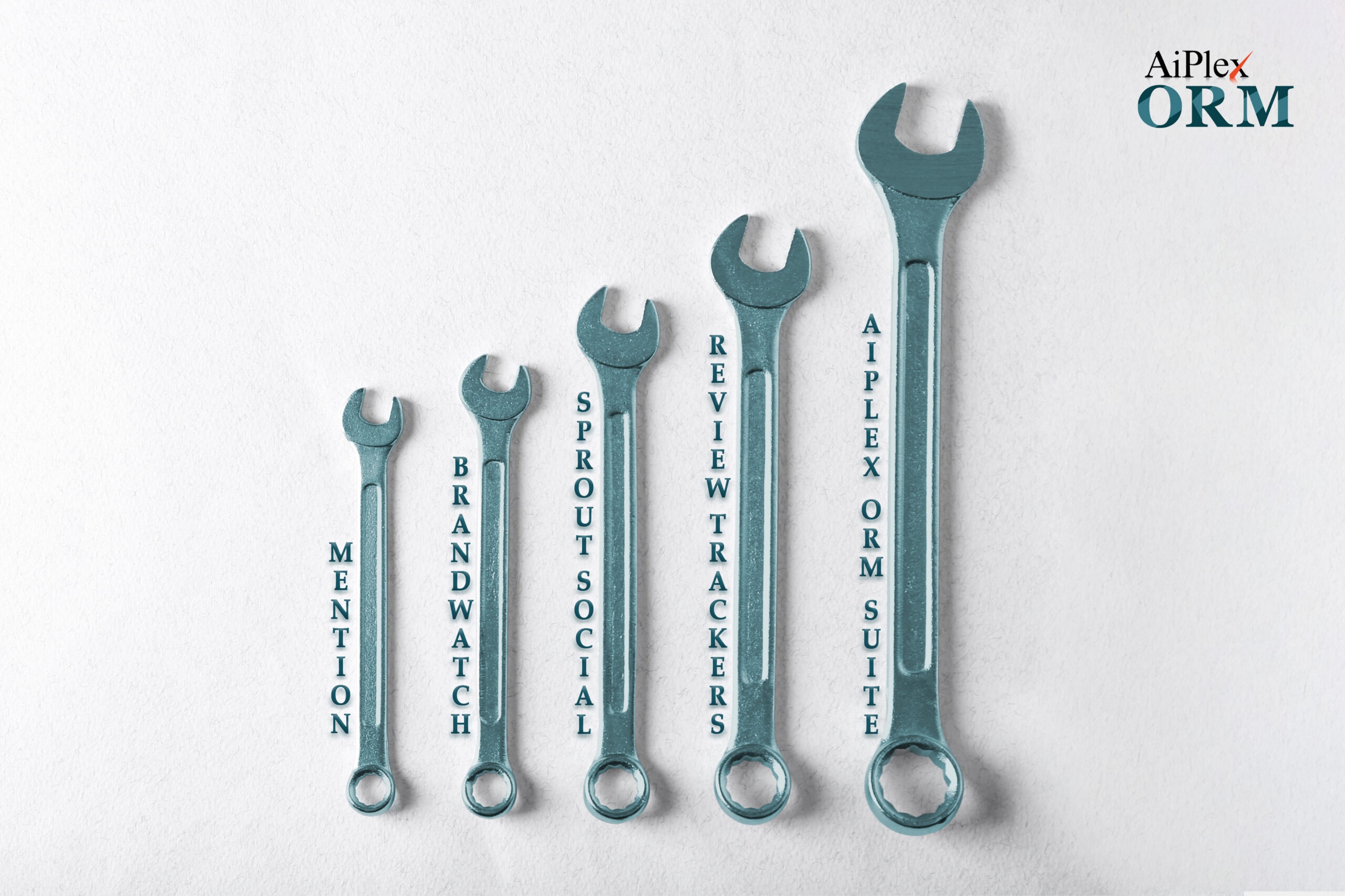
    Brandwatch: AI-Driven Sentiment and Market Insights

    Brandwatch continues to dominate in 2025 with its superior AI-powered sentiment analysis. Its machine learning algorithms provide actionable insights, making it a favorite among data-driven brands.

    Integrated with CRM systems and real-time alerts, Brandwatch helps brands stay ahead of the narrative. It also offers customizable dashboards, which are perfect for large teams.

    Mention: Real-Time Monitoring with Team Collaboration

    Mention excels at real-time tracking across social platforms, blogs, and forums. Its user-friendly interface allows for easy keyword tracking, and its collaboration features are ideal for marketing teams.

    The tool also provides sentiment tagging, making it easier to prioritize responses. Mention is great for small to medium-sized businesses looking for affordable yet powerful reputation tools.

    Sprout Social: Customer Engagement with Analytics

    Sprout Social combines social media management with reputation tracking. It offers advanced analytics, sentiment analysis, and automated reporting, making it ideal for brands active on social channels.

    It stands out with its Smart Inbox, which consolidates all brand mentions and interactions in one place. This enables faster, more informed engagement with followers.

    ReviewTrackers: Specialized Review Management Tool

    For brands heavily reliant on reviews (e.g., hospitality, healthcare), ReviewTrackers is invaluable. It aggregates reviews from over 100 platforms and provides tools for response management and trend analysis.

    Its detailed reporting helps identify recurring customer issues and improvement areas. Keywords like “review aggregation” and “customer feedback analysis” apply well here.

    Aiplex ORM Suite: Integrated Online Reputation Defense

    Aiplex ORM offers a full-stack solution for brand reputation management, including monitoring, suppression of negative content, and digital PR. It integrates with major analytics tools and provides customized strategies based on industry.

    Its proprietary AI engine helps detect and mitigate reputation threats early. Learn more about the Aiplex ORM Suite and why it’s trusted by global brands.

    Meltwater: News and Social Media Listening Combined

    Meltwater combines traditional media monitoring with social media listening. Its robust analytics and influencer tracking capabilities set it apart.

    The tool is best suited for PR professionals and brands focusing on media coverage. Meltwater also integrates with Google Analytics for advanced campaign insights.

    Reputology: Customer Experience Focused Monitoring

    Reputology offers multi-location monitoring, perfect for franchises and businesses with multiple outlets. It emphasizes actionable insights from customer feedback.

    Its ticketing system converts reviews into service tasks, ensuring no issue goes unresolved. “Customer review resolution” and “experience management” are suitable secondary terms here.

    Hootsuite Insights: Powered by Brandwatch

    As part of the Hootsuite platform, Hootsuite Insights uses Brandwatch’s backend to deliver robust monitoring. It integrates with Hootsuite’s scheduling and publishing tools.

    Ideal for social media marketers, it provides real-time analysis, sentiment tracking, and influencer identification. The unified platform helps maintain brand consistency.

    NetReputation: Personalized Reputation Solutions

    NetReputation offers tailored solutions including content removal, SEO suppression, and personal brand management. It’s particularly useful for individuals, executives, and small business owners.

    Their concierge service ensures every campaign is aligned with specific goals. Keywords like “SEO reputation suppression” and “personal brand defense” resonate with this tool.

    BuzzSumo: Content Monitoring and Influencer Tracking

    BuzzSumo helps brands understand how their content is performing and where their mentions originate. It also identifies influencers who can elevate brand perception.

    Its strength lies in tracking content virality and market sentiment. This tool is essential for content-heavy brands and digital publishers.

    Why Choose Aiplex for Brand Reputation Management?

    Aiplex stands out by offering comprehensive, AI-driven brand reputation management services. Unlike generic tools, Aiplex provides a customized approach tailored to each client’s needs. From monitoring and analysis to proactive mitigation and recovery, their service spans the entire spectrum of brand protection.

    With a proven track record and industry-specific solutions, Aiplex is equipped to handle the unique challenges of 2025. Their technology is constantly updated to adapt to emerging threats and platforms. Most importantly, they provide real human support, ensuring that brand crises are handled with empathy and strategy.

    Visit Aiplex ORM to explore their full suite of services.

    Conclusion

    Brand reputation management is no longer optional—it’s integral to sustained growth and consumer trust. The tools we’ve explored offer varied features, from AI-driven insights to real-time monitoring, tailored to different brand needs. Choosing the right combination will empower your brand to stay ahead of threats, build credibility, and maintain a stellar online presence.

    For businesses serious about online reputation in 2025, platforms like Aiplex ORM provide a robust, scalable, and proactive solution. Don’t wait for a crisis to start managing your reputation. Take charge today and future-proof your brand.

    FAQs

    1. What is brand reputation management?
      Brand reputation management involves monitoring, influencing, and controlling how a brand is perceived online and offline.
    2. Why is reputation management important in 2025?
      With digital platforms amplifying voices, managing reputation is crucial for credibility, trust, and revenue.
    3. Are free reputation management tools effective?
      Some offer basic features, but comprehensive reputation control typically requires paid solutions.
    4. What makes Aiplex ORM different?
      It combines AI, analytics, and human strategy to offer holistic and customized reputation solutions.
    5. How does sentiment analysis work in these tools?
      They use AI and NLP to evaluate the emotional tone of brand mentions in real time.
    6. Can reputation tools remove negative reviews?
      Most tools can’t delete content but help mitigate its impact through engagement and SEO tactics.
    7. How do I choose the best tool for my brand?
      Consider factors like scale, integration, reporting, and your specific industry needs.
    8. Do these tools help with crisis management?
      Yes, many offer alerts and workflow automation to address issues before they escalate.
    9. Are these tools suitable for small businesses?
      Absolutely. Many platforms offer scalable pricing and features for small teams.
    10. Where can I learn more about Aiplex services?
      Visit https://aiplexorm.com for detailed information on their ORM solutions.
  • How to Remove Negative Search Results from Google?

    How to Remove Negative Search Results from Google?

    [et_pb_section fb_built=”1″ admin_label=”section” _builder_version=”4.17.0″ custom_margin=”0px||0px||false|false” custom_padding=”0px||0px||false|false” global_colors_info=”{}”][et_pb_row admin_label=”row” _builder_version=”4.17.0″ background_size=”initial” background_position=”top_left” background_repeat=”repeat” width=”100%” custom_margin=”0px||0px||false|false” custom_padding=”0px||0px||false|false” global_colors_info=”{}”][et_pb_column type=”4_4″ _builder_version=”4.16″ custom_padding=”|||” global_colors_info=”{}” custom_padding__hover=”|||”][et_pb_text _builder_version=”4.17.0″ _module_preset=”default” custom_margin=”||||false|false” custom_padding=”||||true|false” global_colors_info=”{}”]

    A good reputation is an asset painstakingly built over many years.  However, one online review from an unsatisfied customer, a misunderstanding, or a rumor could damage your reputation.  When customers research about your brand online, there is a high likelihood that they find these negative search results.

    In many cases, it’s not possible to remove negative search results about a brand from search results.  However, there are a few things you, as a business, could do to build a positive perception of your brand in the search results. Let’s look at a few things’ businesses can do when a reputational crisis arises.

    [/et_pb_text][et_pb_text _builder_version=”4.17.0″ _module_preset=”default” custom_margin=”||0px||false|false” custom_padding=”||||false|false” global_colors_info=”{}”]

    • De-indexing or removing Content from SERP: By sending a petition of removal to Google, it’s possible to get rid of certain search results from its web index. This includes information like tax ID numbers, credit cards, signatures, bank account numbers and explicit content that’s uploaded without the consent of the individual. This content can even be de-indexed with Digital Millennium Copyright Act requests.
    • Build Web Properties: Businesses can boost brand awareness and outdo negative content by building multiple web properties. These could be subdomains, social profiles, CSR sites, charity initiative sites, microsites, blogs, and site links.
    • Push Results down: To fulfil its searcher’s needs, Google’s algorithm crawls the internet for fresh content and then indexes them around relevant topics. Therefore, it is possible to push search results down by publishing highly targeted, SEO optimized quality content that is relevant and stronger than the page you want to bury. This can be done with the help of certain content marketing techniques. While the results are slow, this is one of the most effective methods to get longstanding results.

    [/et_pb_text][et_pb_image src=”https://blog.aiplexorm.com/blog/wp-content/uploads/2022/04/it-is-possible-to-push-search-results-down-by-publishing-highly-targeted-SEO-o-scaled.jpg” alt=”it is possible to push search results down by publishing highly targeted, SEO optimized quality content that is relevant and stronger than the page you want to bury” title_text=”it is possible to push search results down by publishing highly targeted, SEO optimized quality content that is relevant and stronger than the page you want to bury” _builder_version=”4.17.0″ _module_preset=”default” global_colors_info=”{}”][/et_pb_image][et_pb_text _builder_version=”4.17.0″ _module_preset=”default” custom_margin=”0px||||false|false” custom_padding=”||||false|false” global_colors_info=”{}”]

    • Removal at Source: If the publisher agrees then the content can be deleted at the source. Another way is to hide the content by requesting the publisher to add the NoIndex tag that restricts the search engines from crawling it even though the page still exists.
    • Promote Positive Reviews: If there are positive reviews from authoritative sites ranking for your brand name on the 2nd or 3rd page of the SERP; then with little effort it’s possible to improve it further. Thus, pushing down negative search results.
    • Develop Wikipedia Page: Wikipedia pages are considered highly authoritative as they always rank on top because other websites constantly refer traffic back to this encyclopedia website. If a Wikipedia page about a brand exists, then it acts as another positive result on the first page when the audience researches your brand.

    [/et_pb_text][et_pb_text _builder_version=”4.17.0″ _module_preset=”default” global_colors_info=”{}”]

    Fixing a brand’s reputation is not easy but at AiPlex it is our primary mission. Our in-house team is trained to develop personalized strategies to mitigate threats from multiple angles. If you’re looking for a comprehensive online reputation management plan that also includes improving brand image in search results, please drop us a line.

    [/et_pb_text][/et_pb_column][/et_pb_row][/et_pb_section]