
Category: Crisis

  • Crisis Communication Handling for Online Incidents

    Crisis Communication Handling for Online Incidents

    Online platforms have become the primary space where brands, executives, and institutions are evaluated in real time. A single customer complaint, leaked internal email, misunderstood campaign, or coordinated misinformation attack can quickly escalate into an incident that attracts public attention. In such situations, crisis communication handling becomes a defining factor in whether an organization maintains credibility or loses long-earned trust. Readers searching for this topic are often decision-makers, communication leaders, or founders who want clarity on how online crises unfold and what structured communication looks like when pressure is high and timelines are compressed.

    This blog offers a structured, information-focused guide to crisis communication handling for online incidents. It explains what organizations must understand before planning responses, outlines key elements that shape public perception, and highlights how professional digital communication frameworks reduce long-term damage. The goal is to provide clarity rather than alarm, helping readers understand available approaches and strategic considerations. For organizations seeking expert-led digital reputation and crisis management support, exploring professional services such as those offered by Aiplex ORM can be a logical next step once the foundational knowledge is clear.

    Foundational Knowledge Before Planning Crisis Communication Handling

    Before exploring specific approaches, it is essential to understand the foundational elements that shape crisis communication handling in online environments. Online incidents operate under different dynamics than traditional media crises. Information spreads rapidly, audiences actively participate, and narratives evolve continuously. This section outlines the critical concepts decision-makers should understand before selecting tools, teams, or service providers.

    Speed of Information Spread and Digital Virality

    • Online incidents escalate because information travels faster than organizational approval cycles. Social media platforms, forums, and messaging apps allow users to share interpretations, screenshots, and opinions within minutes. Crisis communication handling must account for this speed, as delays can be interpreted as avoidance or guilt. Understanding virality patterns helps organizations anticipate how narratives form and which platforms require immediate attention rather than uniform responses everywhere.
    • The speed factor also affects internal coordination. Legal, leadership, and communication teams often require alignment, but digital crises do not pause for internal consensus. Effective crisis communication handling frameworks are designed with pre-approved principles and response thresholds. This preparation allows organizations to act responsibly without unnecessary delays, balancing accuracy with timeliness while maintaining message consistency across channels.

    Audience Behavior During Online Crises

    • Audiences behave differently during online incidents compared to controlled press environments. They actively question, reinterpret, and amplify content based on emotions, prior brand perceptions, and social alignment. Crisis communication handling must consider that audiences are not passive recipients but participants shaping the narrative. Understanding sentiment patterns and engagement triggers helps organizations communicate in ways that reduce escalation rather than intensify conflict.
    • Different audience segments also react differently. Customers may seek reassurance, critics may demand accountability, and neutral observers may form opinions based on tone rather than facts. Crisis communication handling strategies must recognize these segments and avoid one-dimensional messaging. Clear acknowledgment, measured language, and transparent intent often influence perception more than technical explanations or defensive statements.

    Platform-Specific Communication Dynamics

    • Each digital platform has its own communication norms, algorithms, and audience expectations. Crisis communication handling on X differs from LinkedIn, forums, or review platforms. Character limits, content formats, and moderation tools influence how messages are interpreted and shared. Organizations must understand these differences to avoid misalignment between message intent and platform behavior.
    • Platform dynamics also determine visibility duration. Some platforms prioritize real-time engagement, while others preserve content for long-term discovery. Crisis communication handling must therefore balance immediate response with lasting digital footprints. Messages should be crafted with awareness that screenshots, reposts, and search indexing can extend their impact beyond the initial incident window.

    Legal and Compliance Considerations in Digital Responses

    • Online crisis responses often intersect with legal, regulatory, or contractual obligations. Crisis communication handling requires awareness of what can be disclosed, acknowledged, or promised without creating legal exposure. This is particularly relevant in industries involving data privacy, financial services, healthcare, or regulated products.
    • Effective frameworks integrate legal review into communication planning without allowing it to paralyze response timelines. Clear internal guidelines help teams communicate responsibly while protecting organizational interests. Understanding this balance before an incident occurs prevents conflicting messages and reduces the risk of statements being retracted or contradicted later.

    Long-Term Reputation Impact of Online Incidents

    • Online incidents rarely end when engagement slows. Search results, archived posts, and media references can influence perception long after the initial crisis. Crisis communication handling must therefore consider long-term reputation outcomes, not just immediate containment. Short-term silence or poorly framed responses can resurface later, affecting partnerships, hiring, and customer trust.
    • Organizations that understand reputation persistence are better equipped to invest in communication strategies that prioritize clarity and accountability. This includes post-incident communication, documentation, and narrative reinforcement. Viewing crisis communication handling as a long-term reputational process rather than a one-time response is a defining characteristic of mature digital organizations.

    Key Components of Effective Crisis Communication Handling

    Once foundational knowledge is established, organizations can evaluate the core components that define effective crisis communication handling for online incidents. These components are not reactive tactics but structured elements that guide decision-making, messaging, and engagement across digital channels.

    Clear Incident Assessment and Categorization

    • Effective crisis communication handling begins with accurate incident assessment. Not every negative comment or complaint constitutes a crisis, and mislabeling situations can lead to overreaction or unnecessary visibility. Categorization involves evaluating severity, credibility, reach, and potential impact. This structured assessment helps teams decide whether to monitor, respond selectively, or activate full crisis protocols.
    • Proper categorization also prevents message inconsistency. When teams understand the nature of the incident, they can align tone, level of transparency, and response channels accordingly. This clarity reduces internal confusion and ensures that public communication reflects a unified understanding of the situation rather than fragmented interpretations.

    Message Frameworks and Narrative Control

    • Message frameworks provide consistency during high-pressure situations. Crisis communication handling relies on predefined narrative principles rather than improvisation. These frameworks outline what the organization stands for, how accountability is expressed, and which values guide responses. This approach reduces the risk of emotionally driven statements that escalate tensions.
    • Narrative control does not mean suppressing information. Instead, it involves guiding interpretation by presenting verified facts, acknowledging concerns, and clarifying intent. Organizations that rely on structured messaging frameworks are better positioned to maintain credibility while addressing evolving developments during online incidents.

    Stakeholder-Specific Communication Planning

    • Different stakeholders require different communication approaches. Crisis communication handling must distinguish between public audiences, customers, employees, partners, regulators, and media. A single public statement rarely addresses all needs effectively. Stakeholder-specific planning ensures that each group receives relevant information without creating contradictions.
    • Internal communication is particularly critical. Employees often encounter public narratives before official guidance, leading to confusion or unintended disclosures. Clear internal updates aligned with external messaging help maintain trust and prevent internal uncertainty from spilling into public platforms.

    Real-Time Monitoring and Sentiment Analysis

    • Monitoring is a continuous component of crisis communication handling. Real-time tracking of mentions, sentiment shifts, and misinformation allows organizations to adapt responses as narratives evolve. Without monitoring, teams operate on assumptions rather than evidence, increasing the risk of misaligned messaging.
    • Sentiment analysis provides insight into how messages are received, not just how often they are shared. Understanding emotional responses helps teams refine tone and clarify misunderstandings. This data-driven approach supports more precise communication decisions during rapidly changing online incidents.

    Documentation and Post-Incident Review

    • Crisis communication handling does not end when public attention fades. Documentation of decisions, messages, and outcomes supports accountability and future preparedness. Post-incident reviews help organizations identify strengths, gaps, and areas for improvement in their communication processes.
    • This documentation also supports long-term reputation management. Clear records allow organizations to respond consistently if past incidents resurface in future discussions. Treating crisis communication handling as an evolving capability rather than a static plan strengthens organizational resilience over time.

    Why Choose Aiplex ORM for Crisis Communication Handling

    Organizations navigating online incidents often require specialized expertise that combines digital intelligence, strategic communication, and reputation management. Aiplex ORM provides structured crisis communication handling services designed for the realities of online environments. Their approach emphasizes assessment, narrative clarity, and long-term reputation protection rather than short-term visibility management.

    By integrating monitoring, response frameworks, and strategic advisory, Aiplex ORM supports organizations across industries in managing online incidents with confidence. Their expertise helps decision-makers avoid reactive missteps while maintaining transparency and credibility. For organizations seeking a reliable partner to strengthen crisis communication handling capabilities, Aiplex ORM offers experience-driven solutions aligned with digital-first reputational challenges.

    Conclusion

    Crisis communication handling for online incidents is no longer a niche capability reserved for large enterprises. The speed, visibility, and permanence of digital platforms mean that organizations of all sizes must understand how online crises unfold and how communication decisions shape outcomes. From foundational knowledge about audience behavior to structured response components, effective crisis communication handling relies on preparation, clarity, and consistency.

    This blog has outlined key concepts and components that help decision-makers evaluate their readiness and options. By approaching online incidents with informed frameworks rather than improvisation, organizations can protect trust and credibility even under scrutiny. Partnering with experienced digital reputation specialists further strengthens this capability, ensuring that crisis communication handling becomes a strategic asset rather than a reactive necessity.

  • Crisis Response ORM for Online Reputation Protection

    Crisis Response ORM for Online Reputation Protection

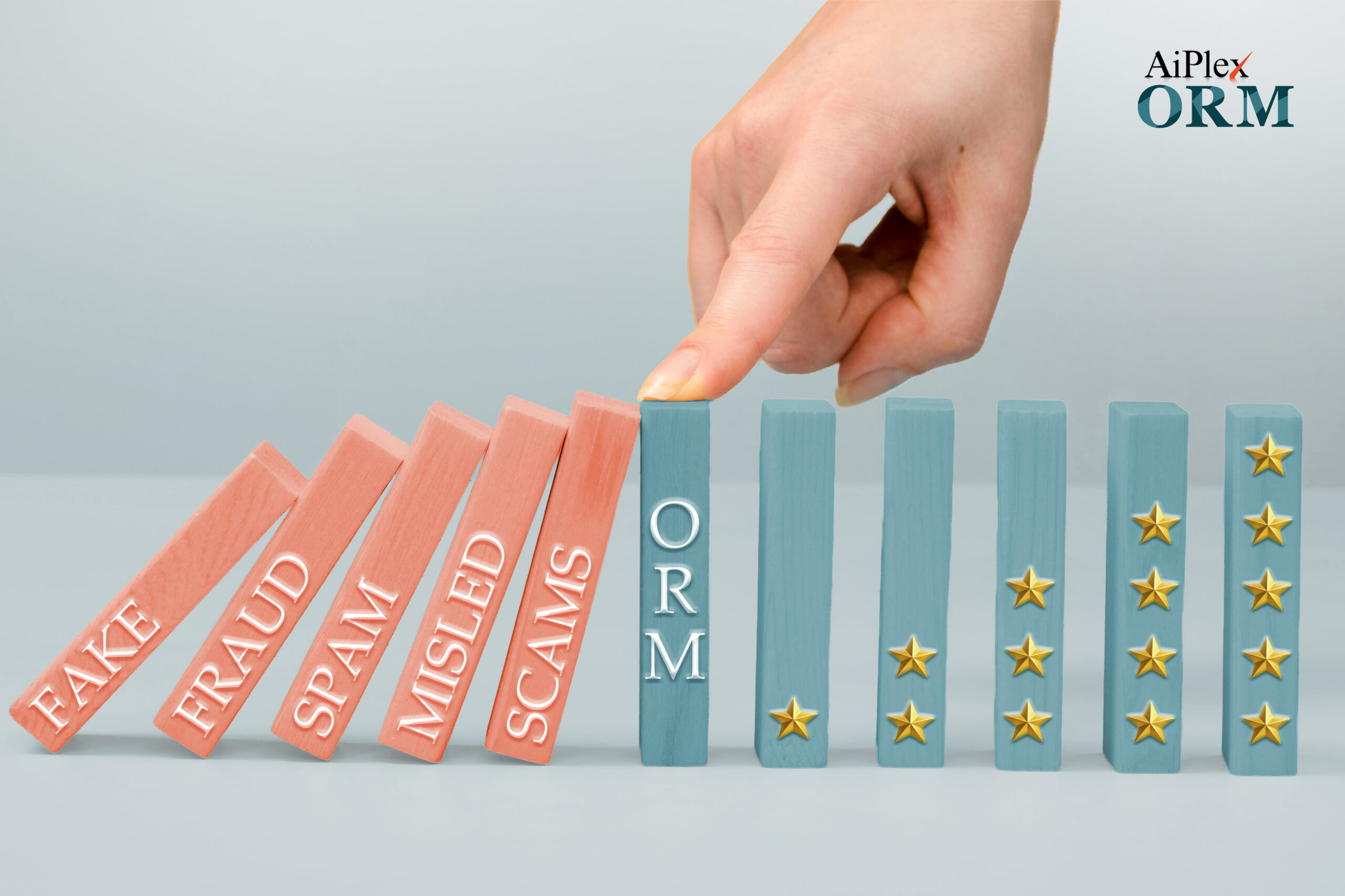
    A single negative incident can escalate into widespread online attention within hours, affecting brand perception long before internal teams have time to react. Business leaders, founders, and communication managers often find themselves searching for structured, reliable information when sudden spikes in negative reviews, social media backlash, or damaging press mentions appear. The need to understand how this crisis response ORM framework functions becomes immediate, especially when the cost of delayed or mismanaged responses can include lost customers, weakened trust, and long-term reputational damage. this crisis response ORM framework is not about panic control; it is about informed, methodical action supported by clear frameworks and reliable digital intelligence.

    This blog explains this crisis response ORM framework in a structured, information-focused manner, helping readers understand its components, scope, and application without framing it as a problem-solving emergency guide. You will learn what this crisis response ORM framework includes, what factors must be evaluated before implementation, and how businesses can use it as a long-term reputation protection mechanism. The sections below also outline strategic elements, monitoring layers, communication controls, and response methodologies, concluding with why Aiplexorm’s approach aligns with businesses seeking clarity, structure, and consistency in online reputation protection.

    Key Concepts to Understand Before Implementing this crisis response ORM framework

    Before exploring structured ORM strategies, it is essential to understand the foundational elements that define how crisis response mechanisms operate online. These concepts influence planning accuracy, response speed, and the sustainability of reputation protection strategies.

    Digital Sentiment Analysis and Brand Perception Tracking

    Digital sentiment analysis forms the backbone of any this crisis response ORM framework strategy. It evaluates how audiences emotionally react to brand mentions across platforms such as search engines, social media networks, forums, and review portals. Understanding sentiment shifts allows organizations to recognize emerging risks before they escalate into full-scale reputation threats. This analysis goes beyond counting mentions; it interprets tone, intent, and contextual relevance to identify whether attention is neutral, supportive, or damaging.

    Consistent brand perception tracking ensures that decision-makers are not reacting blindly. It provides historical benchmarks, allowing teams to distinguish between routine criticism and genuine crisis indicators. When sentiment data is structured and continuously updated, this crisis response ORM framework becomes proactive rather than reactive, supporting long-term reputation stability and informed communication strategies.

    Crisis Severity Classification and Risk Thresholds

    Not every negative mention constitutes a crisis, making severity classification a critical component of this crisis response ORM framework. Businesses must define thresholds that differentiate between minor complaints, coordinated attacks, misinformation campaigns, or high-impact reputational threats. This classification prevents overreaction while ensuring that serious issues receive immediate attention.

    Risk thresholds are typically established using engagement velocity, source credibility, content reach, and sentiment polarity. When these factors are systematically assessed, this crisis response ORM framework frameworks remain consistent and scalable. Organizations benefit from clarity, ensuring that responses align with the actual level of reputational risk rather than emotional urgency.

    Platform-Specific Response Dynamics

    Each digital platform operates under different content visibility rules, audience behaviors, and escalation patterns. this crisis response ORM framework must account for these variations to remain effective. Search engine results, for instance, require long-term content and authority management, while social media crises demand rapid engagement and narrative control.

    Understanding platform-specific dynamics ensures that responses are not misaligned or counterproductive. A strategy suitable for Twitter may fail on LinkedIn or review platforms. this crisis response ORM framework frameworks that integrate platform intelligence enable targeted actions, preserving credibility and minimizing unintended amplification of negative narratives.

    Stakeholder Communication Hierarchies

    this crisis response ORM framework is not limited to public-facing messaging. Internal communication hierarchies determine who approves responses, who monitors developments, and who engages externally. Without defined roles, responses risk inconsistency, delays, or conflicting narratives.

    Structured stakeholder communication ensures alignment between leadership, marketing teams, legal advisors, and customer support. This clarity strengthens this crisis response ORM framework execution by reducing internal friction and enabling timely, coordinated messaging that reflects brand values and compliance requirements.

    Data Privacy and Compliance Considerations

    Online reputation management during crises must comply with data protection regulations and platform policies. Mishandling personal data, attempting content removal improperly, or engaging in deceptive practices can worsen reputational damage.

    this crisis response ORM framework strategies must integrate compliance safeguards to ensure ethical and lawful actions. Understanding regulatory boundaries protects organizations from secondary risks while maintaining transparency and trust during sensitive situations.

    Core Components of an Effective this crisis response ORM framework Strategy

    A structured this crisis response ORM framework strategy is composed of interconnected elements that work collectively to monitor, analyze, respond, and stabilize brand reputation across digital channels.

    Real-Time Monitoring Infrastructure

    Real-time monitoring enables organizations to detect reputational signals as they emerge. This component of this crisis response ORM framework relies on automated tools and human oversight to track brand mentions, keyword trends, and sentiment changes continuously. The objective is early awareness, not constant reaction.

    When monitoring systems are properly configured, they filter noise and highlight relevant data points. This ensures that this crisis response ORM framework teams focus on actionable insights rather than overwhelming volumes of irrelevant information, supporting efficient and timely decision-making.

    Search Engine Reputation Control Mechanisms

    Search engines often serve as the first reference point for stakeholders during a crisis. this crisis response ORM framework includes strategies to manage branded search results, ensuring that accurate, authoritative content maintains visibility. This may involve content optimization, asset diversification, and authority reinforcement.

    Effective search reputation control does not attempt suppression through unethical means. Instead, it focuses on balance and credibility, ensuring that search narratives reflect verified information and brand context rather than isolated negative events.

    Content Response and Narrative Structuring

    Content plays a central role in shaping public understanding during reputational challenges. this crisis response ORM framework includes the development of structured response content such as official statements, FAQs, clarifications, and explanatory resources.

    Narrative structuring ensures consistency across channels and prevents message fragmentation. Well-planned content responses help audiences understand the situation without speculation, reinforcing transparency and accountability within this crisis response ORM framework frameworks.

    Social Media Engagement Governance

    Social media platforms amplify both positive and negative narratives rapidly. this crisis response ORM framework requires clear engagement guidelines that define when to respond, how to respond, and when to observe silently.

    Governance frameworks reduce impulsive reactions and ensure that engagement aligns with brand tone and strategic objectives. This disciplined approach helps de-escalate tensions while maintaining credibility across social platforms.

    Review and Feedback Management Systems

    Customer reviews significantly influence brand trust during crises. this crisis response ORM framework includes structured review monitoring and response strategies that acknowledge feedback without escalating conflict.

    Balanced review management demonstrates attentiveness and accountability. It reassures prospective customers that concerns are addressed professionally, reinforcing long-term reputation resilience beyond the immediate crisis phase.

    Strategic Benefits of this crisis response ORM framework for Businesses

    Understanding the informational value of this crisis response ORM framework helps organizations view it as a strategic investment rather than a reactive expense.

    Enhanced Decision-Making Clarity

    this crisis response ORM framework provides structured data and insights that support informed decisions during high-pressure situations. Instead of relying on assumptions, leaders can assess real-time sentiment, reach, and impact metrics.

    This clarity reduces emotional bias and ensures that actions align with measurable reputational objectives. Over time, businesses develop stronger governance models supported by data-driven this crisis response ORM framework frameworks.

    Long-Term Brand Trust Preservation

    Effective this crisis response ORM framework protects more than short-term perception; it safeguards long-term trust. Transparent communication and consistent engagement demonstrate accountability, reinforcing stakeholder confidence.

    Brands that manage crises responsibly often strengthen their reputation post-event. this crisis response ORM framework supports this outcome by ensuring that recovery narratives emphasize learning, improvement, and reliability.

    Reduced Financial and Operational Risk

    Reputational crises can trigger financial losses, operational disruptions, and legal scrutiny. this crisis response ORM framework minimizes these risks by controlling misinformation spread and maintaining stakeholder confidence.

    By addressing reputational threats early and strategically, organizations avoid prolonged damage cycles, protecting revenue streams and operational stability.

    Why Choose Aiplexorm for this crisis response ORM framework Services

    Aiplexorm offers a structured, intelligence-driven approach to this crisis response ORM framework, designed for businesses that value clarity, compliance, and long-term reputation protection. The platform integrates monitoring, analysis, and response frameworks into a cohesive system tailored to organizational needs.

    Aiplexorm emphasizes ethical practices, data transparency, and platform-specific strategies, ensuring that this crisis response ORM framework initiatives align with regulatory standards and brand values. With a focus on scalability and adaptability, Aiplexorm supports businesses across industries in maintaining digital credibility during high-impact moments.

    Conclusion

    this crisis response ORM framework is an essential informational framework for organizations operating in highly visible digital environments. It combines monitoring intelligence, structured communication, and strategic response mechanisms to protect brand reputation during periods of heightened scrutiny. Understanding its components enables businesses to approach reputation protection with confidence and foresight.

    By adopting a structured this crisis response ORM framework strategy supported by experienced service providers like Aiplexorm, organizations gain resilience against reputational volatility. The result is not only effective crisis navigation but sustained trust, credibility, and digital stability in the long term.

  • How to Handle a Reputation Crisis Smoothly

    How to Handle a Reputation Crisis Smoothly

    A reputation crisis can emerge suddenly an unexpected controversy, a viral complaint, or a damaging media story can put a brand’s image at risk. Many businesses underestimate how quickly such crises spread, leading to confusion, loss of trust, and financial setbacks. This blog explores the key aspects of crisis management, helping you understand the importance of timely, transparent, and strategic responses that protect your brand reputation and foster public confidence.

    Crisis management isn’t just about reacting when things go wrong; it’s about being prepared. This article explains the essential steps to handle reputation challenges effectively and highlights how proactive planning ensures business continuity. We’ll explore crucial insights into monitoring online sentiment, building communication strategies, and how professionals like Aiplex ORM can help organizations navigate tough situations with minimal impact.

    Understanding Crisis Management Fundamentals

    Before you dive into strategies and tools, it’s important to understand the foundation of crisis management. Managing a crisis involves anticipating potential threats, developing communication plans, and ensuring that every stakeholder—from employees to customers—receives accurate information. This section will guide you through the fundamental principles that every organization should know before preparing a full crisis plan.

    Identifying Early Warning Signs

    • Recognizing early indicators of a reputation crisis can save your brand from significant harm. Sudden changes in customer sentiment, spikes in negative mentions, or unusual social media activity often signal emerging trouble. Monitoring these patterns allows teams to respond before issues escalate into full-blown crises.
    • Equipping your brand with real-time monitoring tools and sentiment analysis software helps you stay ahead. Early detection enables rapid, data-driven decision-making, ensuring that responses are strategic rather than reactive. Establishing such systems is the first step toward building an effective defense against reputational damage.

    Setting Up a Crisis Response Framework

    • A structured crisis response framework ensures that no time is wasted when a crisis hits. It defines who is responsible for what, the communication chain, and escalation protocols. This structure eliminates confusion, helping the organization respond quickly and consistently.
    • A well-documented framework should outline roles, communication templates, and approval workflows. The faster and more accurately your team acts, the better your chances of maintaining control over the narrative. This systematic approach also builds trust with internal and external stakeholders.

    Importance of Communication Strategy

    • Transparent and empathetic communication lies at the heart of effective reputation management. During a crisis, silence or unclear statements can worsen the situation. Companies need to communicate quickly, share verified information, and acknowledge the problem without defensiveness.
    • The communication strategy should define messaging tone, spokespersons, and preferred platforms. Consistency and clarity reassure audiences that the brand takes responsibility and values accountability. By aligning all messages, organizations reduce misinformation and restore credibility faster.

    Stakeholder Mapping and Coordination

    • Effective stakeholder coordination ensures that all relevant groups—employees, customers, media, and partners—receive the right information at the right time. Miscommunication between departments or conflicting statements can amplify damage.
    • Creating a stakeholder map allows businesses to prioritize communications. Employees might need internal updates before public announcements, while media require fact-based statements. This coordination helps manage expectations and strengthens relationships with key audiences.

    Documentation and Post-Crisis Learning

    • Every crisis offers valuable lessons for future preparedness. Maintaining detailed documentation from initial triggers to resolution steps enables analysis of what worked and what didn’t. Reviewing these records improves resilience and enhances your future crisis preparedness.
    • Conducting post-crisis debriefs with all departments ensures that learnings are implemented. Adjusting your strategies based on past experiences strengthens your overall defense against future incidents and fosters a culture of continuous improvement.

    Key Strategies for Managing a Reputation Crisis

    Once you understand the fundamentals, implementing actionable strategies becomes essential. Below are core principles that guide how to manage and recover from crises while preserving brand trust and authority.

    1. Rapid Response and Acknowledgment

    • Speed is crucial during a crisis. The longer a company waits to respond, the more speculation and misinformation spread. Acknowledging the issue quickly signals transparency and control.
    • Timely acknowledgment shows that your brand is attentive and cares about its audience. Even a brief initial statement promising further updates can calm concerns and prevent rumors. Quick responses also demonstrate strong governance and responsibility.

    2. Control the Narrative Through Verified Information

    • When negative news circulates, facts often get distorted. Providing verified information helps maintain credibility and prevents speculation. This approach ensures audiences trust your version of events over rumors.
    • Sharing clear, factual updates across official platforms allows the brand to steer the conversation. Encouraging employees and partners to share accurate information reinforces brand consistency and helps stabilize public perception.

    3. Leverage Digital Monitoring Tools

    • Modern crisis communication depends on understanding public sentiment in real time. Tools that track keywords, mentions, and media trends allow organizations to measure impact and tailor responses effectively.
    • Digital monitoring provides valuable insights into audience emotions and trending discussions. By acting on data rather than assumptions, brands can adapt messages and prevent escalation, turning potential disasters into manageable situations.

    4. Align Internal and External Communication

    • During a crisis, internal communication is as vital as external messaging. Employees are often the first line of defense and must be informed before the public. Clear internal briefings prevent leaks and ensure everyone communicates consistently.
    • Externally, keeping stakeholders updated with accurate information promotes transparency. Aligning internal and external efforts prevents mixed signals and strengthens trust across all channels.

    5. Maintain Empathy and Accountability

    • Empathy transforms public perception during a crisis. A sincere acknowledgment of concerns and an apology when necessary can repair trust faster than defensiveness. Audiences appreciate honesty and human-centered responses.
    • Accountability shows that the brand takes ownership and is committed to solutions. Combining empathy with decisive actions—like compensation, service recovery, or community support—demonstrates authentic responsibility.

    The Role of Technology in Crisis Management

    Technology has become an indispensable ally for managing brand reputation effectively. From sentiment analysis to predictive analytics, digital tools empower organizations to detect, analyze, and resolve issues faster than traditional methods.

    AI-Driven Sentiment Analysis

    • AI-powered tools can track audience sentiment across platforms, analyzing thousands of comments within minutes. This insight allows businesses to identify negative trends and intervene promptly before the issue escalates.
    • Sentiment analysis provides objective feedback that guides communication tone and strategy. It also helps measure the effectiveness of recovery efforts and optimize future campaigns.

    Automated Monitoring Systems

    • Automation enhances crisis detection efficiency. Automated alerts notify teams about potential risks, helping them act before problems spread widely. These systems continuously scan the digital landscape for anomalies.
    • This proactive monitoring helps organizations allocate resources wisely. By prioritizing the most severe issues, brands can manage crises strategically and maintain focus on long-term goals.

    Social Media Management Platforms

    • Social platforms often amplify crises, but they also provide opportunities for transparent communication. Managing social interactions effectively can turn negative attention into positive engagement.
    • Using social media management tools ensures consistency, timely replies, and audience engagement tracking. Proactive moderation reduces misinformation and strengthens brand voice even under pressure.

    Data Security and Protection Measures

    • A data breach can quickly turn into a reputational disaster. Robust data security systems prevent unauthorized access, while encryption and access controls safeguard sensitive information.
    • Implementing strong cybersecurity practices builds trust with customers and partners. Demonstrating data responsibility reassures stakeholders of your commitment to privacy and compliance.

    Predictive Analytics for Crisis Prevention

    • Predictive analytics enables companies to anticipate potential crises based on patterns and historical data. This foresight transforms crisis management into a proactive discipline.
    • By integrating predictive models into decision-making, businesses can simulate scenarios, assess vulnerabilities, and prepare communication strategies in advance. Prevention is always more cost-effective than recovery.

    Why Choose Aiplex ORM for Crisis Management

    Aiplex ORM stands out as a leader in online reputation management and crisis handling. Their team combines technology-driven insights with strategic communication expertise to protect and rebuild brand images effectively. Whether it’s managing viral misinformation, addressing media controversies, or restoring public confidence, Aiplex offers tailored solutions designed for long-term stability.

    With years of experience and advanced AI-powered tools, Aiplex provides continuous monitoring, rapid response systems, and post-crisis recovery plans. Their integrated approach ensures your brand maintains credibility even under extreme pressure. Partnering with Aiplex ORM gives your business the resilience it needs to navigate uncertainty confidently.

    Conclusion

    Reputation crises are inevitable, but how a company responds defines its future. Businesses that invest in preparation, monitoring, and clear communication recover faster and stronger. Building trust requires consistency, empathy, and transparency at every stage.

    Effective crisis management isn’t about avoiding problems entirely it’s about mastering response and recovery. With experts like Aiplex ORM guiding your brand, you gain a strategic partner capable of turning challenges into opportunities for growth and renewed trust. Safeguard your reputation today and ensure that every crisis becomes a lesson in strength and adaptability.