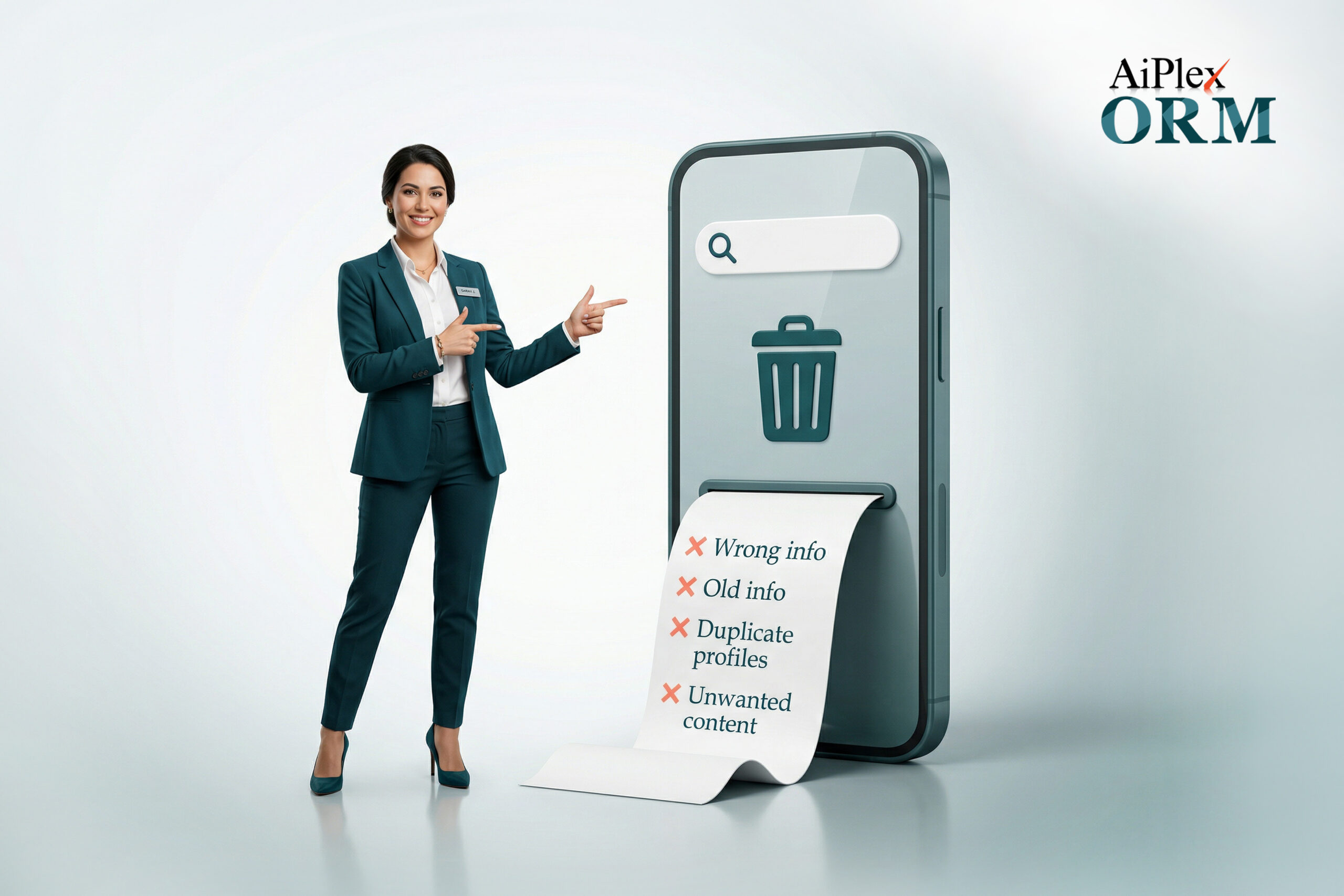
Category: Personal Reputation Management

  • Personal Negative Content Removal Services for Reputation

    Personal Negative Content Removal Services for Reputation

    A single negative article, misleading review, or outdated social media post can influence how people see an individual online. Employers, business partners, clients, and even personal connections often search names before making decisions. When harmful content appears first in search results, it can damage trust within seconds. This is why many professionals, entrepreneurs, executives, and public figures actively look for reliable Remove Personal Negative Content services that help them regain control over their online image. A strong digital reputation is no longer optional for people who depend on credibility, visibility, and public confidence.

    People facing reputation challenges usually struggle with uncertainty because harmful content spreads quickly while positive information receives less attention. The process of rebuilding trust requires more than deleting a few links or requesting removals from websites. It involves reputation analysis, suppression strategies, legal awareness, content development, and long-term monitoring. This blog explains the most important aspects of personal reputation management, how negative content affects opportunities, and why professional support from Aiplexorm can help individuals strengthen and protect their online presence with a structured and strategic approach.

    Important Things to Know Before Choosing Reputation Removal Services

    Before selecting any reputation management company, individuals should understand how online content behaves across search engines, news platforms, review websites, and social media channels. Negative content may remain indexed for years even after deletion attempts. Many people assume reputation repair is immediate, but search algorithms require time to recognize updated information and positive authority signals. Understanding these factors helps individuals make informed decisions while setting realistic expectations regarding content suppression and personal brand rebuilding.

    Professional reputation services also vary widely in quality, transparency, and ethical standards. Some agencies promise unrealistic guarantees that may create additional problems later. A trusted reputation management partner focuses on sustainable strategies that improve search visibility through legitimate methods. Individuals should evaluate experience, reporting processes, confidentiality standards, and customized planning before investing in personal online reputation support.

    Search Engine Visibility Shapes Public Perception

    Search engines act as the first impression platform for many individuals. When someone searches a person’s name, the first page results immediately influence opinions. Negative blogs, accusations, outdated legal references, or harmful reviews can appear more credible simply because they rank highly. This visibility directly affects career opportunities, partnerships, client trust, and networking possibilities. Understanding search engine influence is essential before starting any personal reputation management process.

    Strong online reputation strategies focus on improving the visibility of positive and authoritative content. Instead of relying only on removals, professionals build stronger digital assets that compete with damaging results. This process often includes optimized profiles, positive media mentions, professional biographies, and strategic content publishing. Effective Remove Personal Negative Content services combine suppression techniques with long-term reputation strengthening to create sustainable improvements.

    Not Every Negative Result Can Be Deleted

    Many people believe harmful online content can simply be erased immediately, but the reality is more complex. Some websites refuse removal requests, while public records and archived content may remain legally accessible. Search engines also follow indexing policies that do not automatically remove information unless it violates specific guidelines. This makes strategic suppression and reputation balancing extremely important for long-term success.

    Professional reputation specialists analyze which content qualifies for removal and which requires alternative management methods. In many situations, improving the visibility of accurate and positive content becomes the most effective approach. Ethical reputation management focuses on credibility, authenticity, and search relevance rather than manipulation. This balanced strategy helps individuals protect their digital image while maintaining long-term stability across online platforms.

    Privacy and Confidentiality Matter During Reputation Repair

    People seeking reputation repair often deal with sensitive personal or professional situations. Public controversies, false accusations, disputes, negative press, or damaging social content can create emotional and financial stress. Because of this, confidentiality becomes a critical factor when choosing a reputation management company. Individuals need assurance that their information, discussions, and digital records remain protected throughout the process.

    Experienced agencies implement secure communication systems, structured workflows, and confidential reporting practices. They understand the importance of discretion while handling personal reputation cases. A professional service provider also avoids aggressive tactics that may unintentionally attract more attention to harmful content. Maintaining privacy while improving online credibility helps individuals regain confidence without increasing public exposure.

    Content Suppression Requires Consistency and Patience

    Online reputation improvement is rarely a one-week process. Search engine rankings change gradually based on authority, relevance, engagement, and content quality. Many individuals become frustrated when negative links do not disappear immediately. However, successful reputation management depends on consistent optimization efforts that strengthen positive digital signals over time.

    Professionals handling Remove Personal Negative Content strategies usually create phased plans that focus on steady progress. These campaigns may involve publishing positive content, optimizing professional profiles, improving search relevance, and monitoring keyword performance. Consistency is important because search algorithms reward stable and credible digital activity. Long-term commitment produces stronger results than temporary or rushed actions.

    Professional Monitoring Helps Prevent Future Damage

    A repaired reputation still requires protection because new harmful content can appear unexpectedly. Competitors, online trolls, dissatisfied individuals, or misinformation campaigns may create fresh risks at any time. Without monitoring systems, individuals may discover damaging content only after it has already gained visibility and traction online.

    Professional reputation monitoring allows individuals to identify risks early and respond strategically before problems escalate. Monitoring tools track mentions, search changes, review activity, and emerging negative content across multiple platforms. This proactive approach helps individuals maintain stronger control over their digital identity while reducing the chances of future reputation crises.

    How Negative Content Affects Personal and Professional Growth

    Negative online information affects more than public image alone. Employers often review online search results before interviews, while clients evaluate credibility through digital research. Harmful search visibility may reduce business opportunities, weaken trust, and create hesitation among decision-makers. Even outdated information can continue affecting professional growth when it remains highly visible across search platforms.

    Personal relationships can also suffer when misleading or embarrassing content becomes easily accessible online. Friends, family members, and social connections may form opinions based on incomplete or inaccurate information. Over time, this emotional pressure can impact confidence and mental well-being. Managing digital reputation therefore becomes an important part of protecting both personal and professional stability.

    Effective Strategies Used in Personal Negative Content Removal

    Reputation management companies use multiple techniques to reduce the visibility and impact of harmful online information. The approach depends on the type of content involved, platform policies, search rankings, and the individual’s goals. Effective strategies combine technical expertise, content planning, search optimization, and reputation analysis to improve online credibility.

    One common strategy involves suppressing harmful search results with stronger positive content. This may include professional profiles, media features, articles, interviews, and authoritative content that better reflects the individual’s achievements and credibility. When high-quality content gains visibility, damaging links gradually lose prominence in search rankings.

    Another important method focuses on removal requests and platform compliance. Certain defamatory, false, or policy-violating content may qualify for takedown requests depending on legal and platform guidelines. Reputation professionals evaluate each case carefully to identify the most effective course of action while maintaining ethical standards and minimizing unnecessary exposure.

    The Role of Positive Content in Reputation Building

    Positive content acts as a foundation for long-term reputation management. Search engines prioritize authoritative, engaging, and relevant information when ranking results. Individuals with limited positive content online often struggle because negative results dominate visibility. Building a stronger digital presence helps create balance while improving professional credibility.

    Professional biographies, interviews, industry insights, thought leadership articles, and verified social profiles contribute to stronger online authority. Positive content also gives search engines alternative sources to display for branded searches. Over time, consistent content development improves trust signals and helps individuals establish a more accurate and professional online image.

    Content quality matters significantly during reputation campaigns. Generic articles or low-quality material rarely produce lasting impact. Effective reputation management focuses on authentic and informative content that reflects real achievements, expertise, and professional value. This creates sustainable credibility while improving long-term search performance.

    Why Businesses and Professionals Invest in Reputation Protection

    Executives, entrepreneurs, consultants, medical professionals, and public figures often depend heavily on reputation for career success. A single damaging article or viral accusation can influence contracts, partnerships, investment opportunities, and customer confidence. Because digital visibility shapes modern decision-making, reputation protection has become a strategic investment rather than a reactive measure.

    Professionals also understand that reputation recovery becomes more difficult when negative content remains unmanaged for long periods. Early intervention allows experts to reduce visibility risks before harmful information gains stronger search authority. This proactive mindset helps individuals maintain greater control over their online identity and professional image.

    Reputation management additionally supports personal branding efforts. A positive online presence strengthens authority, trust, and visibility within competitive industries. Individuals who actively manage their digital reputation often create stronger opportunities for networking, partnerships, and career advancement. Strategic online positioning therefore contributes directly to long-term personal and professional growth.

    Why Choose Aiplexorm for Personal Reputation Management

    Aiplexorm focuses on strategic reputation management solutions designed to help individuals address harmful online visibility with professionalism and discretion. The company understands that every reputation challenge is different, which is why personalized analysis and customized planning remain central to the process. Instead of using generic methods, Aiplexorm evaluates the nature of negative content, search visibility patterns, and long-term reputation goals before developing a structured action plan.

    The team also prioritizes ethical reputation management practices that support sustainable improvements rather than temporary shortcuts. From search result suppression to positive content development and monitoring support, Aiplexorm helps individuals strengthen digital credibility through responsible strategies. This balanced approach allows clients to rebuild confidence while improving how they appear across search engines and online platforms.

    Another important advantage is the company’s focus on confidentiality and professionalism. Reputation concerns often involve sensitive situations that require careful handling and secure communication. Aiplexorm works with discretion while maintaining transparency regarding campaign progress and realistic expectations. This combination of strategy, experience, and client-focused support helps individuals manage online reputation challenges more effectively.

    Conclusion

    Online reputation directly influences personal credibility, professional opportunities, and public trust. Negative content that appears prominently in search results can create long-term challenges if left unmanaged. Whether the issue involves outdated information, misleading content, harmful reviews, or damaging media coverage, individuals benefit from a structured reputation management strategy that focuses on visibility, credibility, and long-term protection.

    Effective Remove Personal Negative Content services require more than quick fixes. They involve careful analysis, ethical suppression methods, positive content development, and ongoing monitoring. Aiplexorm helps individuals approach reputation management with a professional and strategic mindset that supports sustainable digital growth. By strengthening positive visibility and reducing the impact of harmful content, individuals can regain greater confidence and maintain stronger control over how they are represented online.

  • Professional Identity Cleanup for Online Profiles

    Professional Identity Cleanup for Online Profiles

    Professional identity cleanup has become an essential practice for individuals who want their online presence to represent them accurately and professionally. Imagine a hiring manager, potential business partner, or client searching your name online and encountering outdated profiles, irrelevant information, or misleading content. In many cases, people remain unaware of how their digital identity appears to others. Over time, forgotten accounts, inconsistent personal information, and old posts can shape perceptions in ways that no longer reflect who you are or what you represent professionally. Taking control of your digital footprint is not merely about appearance but about ensuring that your online identity aligns with your goals and professional credibility.

    This blog explores how professional identity cleanup helps individuals refine their online profiles and present a cohesive digital presence. You will learn about the important factors to understand before starting the cleanup process, along with key practices that help organize and strengthen your online identity. Each section explains a specific aspect of managing and maintaining a professional digital image. By understanding these factors, readers can evaluate their existing profiles and recognize opportunities to improve visibility, consistency, and trust. Businesses and professionals seeking structured assistance can also benefit from specialized services designed to manage online identity effectively.

    Important Information to Understand Before Starting Professional Identity Cleanup

    Before beginning professional identity cleanup, it is essential to understand how online information spreads across different platforms and how digital records remain accessible for long periods. Search engines index profiles, comments, images, and other public data, making them discoverable by employers, clients, or collaborators. Even accounts that appear inactive may still appear in search results. Understanding the mechanics of how this information is stored and displayed allows individuals to approach the cleanup process strategically rather than randomly deleting or editing content.

    Another critical factor involves recognizing the difference between managing personal expression and maintaining a professional reputation. Many individuals maintain multiple online profiles across social networks, portfolio platforms, and community forums. Each platform contributes to the broader perception of one’s digital identity. Evaluating these platforms collectively helps individuals determine whether their profiles communicate clear expertise, professionalism, and credibility. A thoughtful approach ensures that the cleanup process improves clarity while preserving authentic professional representation.

    Understanding Digital Footprint Visibility

    A digital footprint refers to the collection of data that appears online about an individual. This includes social media posts, professional networking profiles, discussion forum contributions, public comments, and even cached versions of webpages. Many individuals underestimate how easily this information can be discovered through a simple name search. When potential employers or collaborators evaluate a person’s online presence, they often review several sources simultaneously to form an impression about reliability, expertise, and professionalism.

    Visibility across search engines means that even older information can continue appearing long after it was originally posted. Profiles created years ago on unused platforms may still appear in search results, and outdated information can create confusion about a person’s professional background. Understanding the extent of this digital footprint helps individuals identify which platforms require attention during the cleanup process. It also encourages proactive management of online information to ensure that search results reflect accurate and relevant professional details.

    Evaluating Existing Online Profiles

    Many professionals maintain multiple profiles across different platforms without regularly reviewing them. Over time, these profiles can contain inconsistent job titles, outdated skills, or incomplete descriptions of professional achievements. When someone searches your name, these inconsistencies may appear side by side in search results, creating a fragmented representation of your professional background. Evaluating each profile carefully helps identify areas where updates or corrections are needed.

    During this evaluation process, individuals should review profile descriptions, employment history, certifications, and public content to ensure that the information aligns with their current professional direction. Profiles should communicate a clear narrative about expertise and career progression. By reviewing all existing profiles systematically, individuals can determine which accounts should be updated, consolidated, or removed entirely. This evaluation stage forms the foundation for a structured professional identity cleanup strategy.

    Identifying Outdated or Irrelevant Information

    Over time, online platforms accumulate information that may no longer be relevant to an individual’s professional identity. Old blog comments, inactive accounts, or posts from earlier stages of one’s career may appear alongside more recent professional achievements. While such information might seem harmless, it can dilute the clarity of a person’s current expertise and professional focus. Identifying outdated content allows individuals to prioritize which elements should be removed or revised.

    Outdated information may also include incorrect job descriptions, obsolete contact details, or references to projects that no longer represent a person’s professional direction. Reviewing these elements carefully ensures that search results present a cohesive and updated narrative. Removing or updating such information does not erase personal history but ensures that online profiles communicate the most relevant aspects of professional identity.

    Recognizing the Role of Search Engine Results

    Search engines play a significant role in shaping how individuals are perceived online. When someone searches a person’s name, the results displayed on the first page often form the initial impression of that individual’s professional credibility. These results may include social media profiles, professional directories, articles, or other online mentions. Understanding how these results appear helps individuals determine which sources contribute most strongly to their online identity.

    Monitoring search engine results allows individuals to observe how their name is associated with different platforms and content types. If outdated or irrelevant sources appear prominently, they may require attention during the cleanup process. Improving profile consistency and updating professional information across platforms can influence how search engines prioritize content. As a result, the most relevant and accurate profiles become more visible in search results.

    Maintaining Consistency Across Platforms

    Consistency is a crucial factor in building a credible professional identity online. When profiles across different platforms contain varying job titles, profile photos, or descriptions, they can create confusion about a person’s expertise and professional trajectory. Maintaining consistent information across profiles helps establish clarity and trust among those reviewing your online presence.

    Consistency involves more than simply repeating the same information on every platform. It includes ensuring that professional summaries, achievements, and areas of expertise align with each other while adapting slightly to fit the purpose of each platform. By maintaining consistent information across professional networks, portfolio sites, and public directories, individuals create a cohesive digital identity that accurately represents their professional capabilities.

    Conducting a Comprehensive Online Profile Audit

    A comprehensive audit involves systematically reviewing all online platforms where an individual’s information appears. This process helps identify outdated accounts, incomplete profiles, and platforms that may require updates. Conducting a structured audit ensures that no significant profiles are overlooked during professional identity cleanup.

    During this process, individuals typically begin by searching their own name and documenting all visible results. Each platform is then evaluated to determine whether it contributes positively to their professional presence. Profiles that align with current career goals should be updated and strengthened, while those that no longer serve a purpose may be removed or adjusted to reduce visibility.

    Updating Professional Information Across Platforms

    Once an audit has been completed, updating professional information becomes the next essential step. Profiles should reflect accurate job titles, relevant expertise, and current professional achievements. Updating these details ensures that anyone reviewing your profile receives a clear and reliable overview of your background.

    This process also includes improving profile descriptions, refining summaries, and ensuring that key achievements are clearly communicated. Profiles that highlight meaningful accomplishments and professional focus help establish credibility and authority. Regular updates ensure that professional identity remains aligned with career progression and evolving expertise.

    Strengthening Personal Branding Through Profiles

    Online profiles provide an opportunity to communicate professional strengths and expertise in a structured manner. By presenting a consistent narrative across platforms, individuals can strengthen their personal brand and demonstrate clear professional direction. A well‑organized digital identity can highlight specialized skills, accomplishments, and industry involvement.

    Strengthening personal branding involves thoughtful presentation of information rather than exaggeration. Profiles should focus on genuine achievements, meaningful projects, and areas of expertise that reflect professional growth. When profiles communicate these elements effectively, they help establish trust and recognition within professional networks.

    Monitoring and Maintaining Online Identity

    Professional identity cleanup is not a one‑time activity but an ongoing process. As individuals continue to participate in online discussions, publish content, or join new platforms, their digital footprint evolves. Monitoring online information regularly ensures that profiles remain accurate and aligned with professional objectives.

    Regular reviews of search results and platform profiles allow individuals to detect inconsistencies or outdated information before they affect professional perception. Maintaining awareness of online identity ensures that digital presence continues to represent professional credibility and expertise over time.

    Why Choose Aiplexorm for Professional Identity Management

    Managing online identity across multiple platforms can be complex and time‑consuming. Specialized services provide structured support for individuals and organizations seeking to maintain a clear and professional digital presence. Aiplexorm offers expertise in analyzing online information, identifying areas that require attention, and implementing strategies that improve the visibility of accurate professional profiles.

    Through systematic analysis and professional guidance, such services help individuals strengthen the credibility of their digital identity. By focusing on consistency, accuracy, and strategic profile management, professional identity cleanup becomes a structured process rather than a confusing task. Individuals who seek expert assistance can benefit from experienced teams that understand how online platforms, search results, and digital reputation interact.

    Conclusion

    Professional identity cleanup allows individuals to align their online presence with their professional goals. By reviewing profiles, updating information, and maintaining consistency across platforms, individuals can ensure that their digital identity communicates credibility and expertise. A thoughtful approach to managing online information helps reduce confusion and improves the clarity of professional representation.

    Maintaining a professional digital presence requires continuous attention as online platforms evolve. Regular audits, profile updates, and consistent branding ensure that online identity reflects the most relevant aspects of one’s career. With structured strategies and professional support, individuals can confidently present a digital presence that supports long‑term professional growth.

  • Individual Name Protection Services Online

    Individual Name Protection Services Online

    Managing a personal online reputation has become an essential concern for individuals whose names appear across search engines, social platforms, and public databases. A single search query can reveal articles, archived records, social media posts, and user‑generated content tied to a person’s identity. When that information becomes outdated, misleading, or harmful, it can shape how employers, clients, colleagues, or acquaintances perceive someone. This growing concern has led many individuals to explore individual name protection services that help monitor, manage, and safeguard their online identity across digital platforms while ensuring their personal information is represented accurately and responsibly.

    Understanding how individual name protection services work can help people make informed decisions about protecting their digital identity. These services provide structured strategies to monitor search engine results, address harmful content, and maintain a controlled representation of an individual’s name online. In the sections below, readers will explore the key aspects involved in protecting a personal name on the internet, the mechanisms used to track and manage digital footprints, and how structured protection strategies support long‑term reputation stability.

    Important Things to Understand Before Using Individual Name Protection Services

    Before exploring the various forms of individual name protection services available online, it is important to understand the factors that influence how a personal name appears across the internet. Digital footprints develop through search engines, media coverage, public records, social media platforms, and third‑party websites. Once information becomes indexed online, it can circulate widely and remain accessible for long periods. Recognizing how online visibility works helps individuals understand why managing their name online requires structured monitoring and proactive reputation management strategies.

    How Search Engines Display Personal Names

    Search engines organize and display information based on algorithms that evaluate relevance, popularity, and authority of web pages. When someone searches for a personal name, the results may include social media profiles, news articles, blog posts, public records, and other content connected to that name. These results are influenced by keywords, linking structures, and user engagement patterns, meaning that once certain content gains visibility, it can remain prominent in search results for extended periods.

    Understanding this process highlights why monitoring search engine results is a central part of individual name protection services. By regularly tracking search listings, individuals can identify inaccurate or damaging information early and take steps to address it before it spreads further. Monitoring tools and professional analysis help determine which content influences search visibility and what strategies can improve the representation of a personal name online.

    The Role of Digital Footprints in Personal Identity

    Every online activity contributes to a digital footprint, including social media interactions, website registrations, public records, and mentions across online platforms. Over time, these elements combine to form a searchable identity that others can access with a simple name query. While some information is intentionally shared, other details may appear through third‑party websites, archived pages, or public listings that individuals did not expect to become widely accessible.

    Individual name protection services often begin by analyzing this digital footprint to identify all visible references connected to a person’s name. This assessment helps determine where information appears, how it is indexed, and whether certain listings may create misleading impressions. A structured review of digital presence enables individuals to understand the full scope of their online identity and determine what steps are necessary to manage it effectively.

    Why Online Mentions Can Influence Reputation

    Online mentions can significantly influence how people interpret a personal name. A single article, review, or forum discussion may appear prominently in search results and shape the first impression someone forms about an individual. Even if the information is outdated or taken out of context, its visibility can create assumptions that impact professional relationships, hiring decisions, or collaborations.

    Because online information spreads quickly and remains searchable for long periods, individuals often require systems that detect new mentions or content associated with their names. Individual name protection services typically include monitoring tools that track emerging references across search engines, news platforms, and websites. Early detection allows individuals to respond quickly to inaccurate or harmful content before it gains greater visibility.

    Understanding Content Persistence Online

    One of the most challenging aspects of managing a personal name online is the persistence of digital content. Once information is published and indexed by search engines, it may remain accessible even if the original website changes or removes the content. Archived versions, cached pages, and mirrored sites can preserve information long after it first appeared.

    Individual name protection services address this persistence by identifying where content exists across multiple platforms and evaluating possible strategies for addressing it. By mapping where information is stored and how it appears in search results, individuals can better understand the complexity of digital content distribution and take steps to ensure their online identity remains accurate and balanced.

    Monitoring and Continuous Name Protection

    Protecting a personal name online is not a one‑time process. Search results evolve continuously as new content is published, platforms update their indexing methods, and user activity influences visibility. Without ongoing monitoring, previously managed results can shift or new content can appear unexpectedly, affecting how a personal name is represented.

    For this reason, individual name protection services often include continuous monitoring systems that track changes in search visibility and online mentions. Regular analysis ensures that any emerging risks are identified early, allowing individuals to maintain a consistent and controlled digital presence over time.

    Comprehensive Monitoring of Personal Name Across Platforms

    One of the core components of individual name protection services is monitoring how a person’s name appears across various online platforms. Search engines, social networks, media websites, and public databases all contribute to the visibility of personal information. Without structured monitoring, individuals may not realize where their names appear or how certain references influence their reputation.

    Effective monitoring involves tracking mentions, identifying newly indexed pages, and reviewing how search rankings change over time. By maintaining consistent observation of these digital signals, individuals gain a clear understanding of their online presence and can take appropriate steps to ensure that information associated with their name remains accurate and professional.

    Analysis of Search Engine Visibility

    Another key aspect of individual name protection services involves analyzing how search engines rank and display information connected to a personal name. Search visibility determines which results people see first, making it an important factor in shaping perception. If outdated or misleading content appears prominently, it can influence how someone interprets a person’s identity before exploring other information.

    Through detailed search analysis, professionals evaluate the sources, authority levels, and relevance of pages connected to a personal name. This evaluation helps identify which results require attention and how visibility patterns may shift over time. Understanding these ranking patterns enables individuals to maintain greater control over how their name appears within search engine listings.

    Content Review and Risk Assessment

    Individual name protection services also include reviewing existing online content associated with a personal name. This process identifies materials that may present reputational risks, including inaccurate information, outdated references, or misleading interpretations. By conducting structured content assessments, individuals can better understand how certain materials influence their digital identity.

    Risk assessment focuses on evaluating the credibility, reach, and search visibility of each piece of content. High‑visibility pages may require closer attention because they shape the first impression someone forms when searching for a name online. Through careful analysis, individuals can determine which materials require monitoring, clarification, or strategic management.

    Development of Name Protection Strategies

    After analyzing search results, digital footprints, and potential risks, individual name protection services typically involve creating structured strategies for maintaining a positive and accurate online identity. These strategies focus on ensuring that reliable and relevant information represents an individual’s name across search engines and digital platforms.

    Strategic planning may include content organization, reputation monitoring systems, and methods for maintaining balanced search visibility. By implementing structured protection strategies, individuals gain the ability to guide how their personal information appears online and reduce the likelihood of misleading or harmful content dominating search results.

    Why Choose Aiplexorm for Individual Name Protection Services

    Protecting a personal name online requires expertise in digital monitoring, search analysis, and reputation management strategies. Organizations that specialize in these services provide structured systems designed to track online mentions, evaluate search engine visibility, and develop comprehensive protection strategies. With professional support, individuals gain access to tools and expertise that allow them to manage their digital presence with greater confidence and control.

    Aiplexorm provides solutions focused on safeguarding personal identity across the internet through monitoring, analysis, and strategic reputation management. By combining technological tools with expert evaluation, individuals can ensure that their online presence reflects accurate and balanced information. Structured monitoring systems and ongoing analysis help maintain long‑term protection for personal names across search engines and digital platforms.

    Conclusion

    Managing how a personal name appears online has become an important aspect of digital identity. Search engines, online platforms, and archived content collectively shape how others perceive an individual when they look up a name online. Without structured monitoring and analysis, misleading or outdated information can remain visible for extended periods and influence reputation in unexpected ways.

    Individual name protection services provide a systematic approach to monitoring digital footprints, evaluating search visibility, and maintaining a balanced representation of personal identity online. Through consistent analysis and strategic planning, individuals can ensure that their names are associated with accurate and reliable information. With the right monitoring systems and expertise, protecting a personal name online becomes a manageable and proactive process.